Cyclists planning longer rides
For an indoor ride over 90 minutes, British Cycling advises 30–60g carbohydrate per hour. Check how much a portion actually contributes rather than choosing by a sugar-free claim.


Choose sugar-free jelly as a sweet snack, not as the carbohydrate source for a long ride: Hartley's Sugar Free Orange jelly lists less than 0.5g carbohydrate per prepared 145g serving. If you need fuel while riding, check the carbohydrate on a regular sweet, drink or gel and plan the amount you will consume; British Cycling advises 30–60g per hour for indoor rides over 90 minutes.
For an indoor ride over 90 minutes, British Cycling advises 30–60g carbohydrate per hour. Check how much a portion actually contributes rather than choosing by a sugar-free claim.
If the jelly is for a dessert or snack away from the fuelling role, a sugar-free option may suit that purpose. Hartley's Sugar Free Orange jelly lists less than 0.5g carbohydrate per prepared serving; its No Added Sugar Strawberry pot lists less than 0.5g per pot.
Regular jelly sweets have labelled carbohydrate that you can use to calculate a portion. Check the exact product and try the format on a training ride before depending on it during a longer event.
Decide whether the jelly is a snack or part of an on-bike carbohydrate plan, then use the label to assess the exact product and portion.
| Priority | What to check | Your needs |
|---|---|---|
| Carbohydrate for the ride | Read total carbohydrate per serving or per 100g. For indoor rides over 90 minutes, compare planned portions with British Cycling's guidance of 30–60g carbohydrate per hour. | I want food I can count towards my on-bike carbohydrate plan, not just something that tastes sweet. |
| Portion size | Check whether nutrition values refer to a serving, 100g or a prepared product. Measure the amount you intend to carry rather than treating a whole bag as one portion. | A labelled serving helps me work out what I will eat during the ride. |
| Snack or fuel | Keep the two uses distinct: ASDA Groceries lists less than 0.5g carbohydrate per prepared 145g serving of Hartley's Sugar Free Orange jelly, while HARIBO UK lists 93g per 100g for its Jelly Beans. | If I am choosing a sweet snack rather than ride fuel, I do not need it to contribute to an hourly carbohydrate plan. |
| Ingredients and warnings | Read the ingredients for the exact variant. The NHS says aspartame is unsuitable for people with phenylketonuria; GOV.UK specifies a laxative-effect warning for foods containing more than 10% polyols. | Before taking a new sweet on a ride, I want to know which sweeteners it contains and whether its warnings matter to me. |
| Eating while riding | Consider whether you can carry, portion and eat the product during the ride. Try it in training before relying on it for a longer or harder outing. | A carbohydrate figure is useful only if I can follow the planned portions in practice. |
A sweet taste does not establish carbohydrate content. Hartley's Sugar Free Orange jelly lists less than 0.5g carbohydrate per prepared 145g serving, so it contributes little to a planned hourly intake.
For on-bike fuel, calculate the carbohydrate in the portion you will actually consume.
Regular sweets can contain substantial carbohydrate, but the amount in a handful depends on how much you take. HARIBO UK lists 93g per 100g for Jelly Beans; ASDA Groceries lists 21g per 25g serving for ASDA Fruit Jellies.
Use the product's nutrition panel and measure your intended portion before adding it to a ride plan.
Ingredients and warnings differ between products. Aspartame is unsuitable for people with phenylketonuria, according to the NHS, while GOV.UK specifies a laxative-effect warning for foods containing more than 10% polyols.
Check the exact variant's ingredients and warnings, particularly before taking an unfamiliar product on a demanding ride.
These examples illustrate label differences between sugar-free jelly and conventional sweets; a brand name alone does not tell you how much carbohydrate a particular variant provides.
Its Sugar Free Orange jelly and No Added Sugar Strawberry pot are sweet-snack examples rather than substantial carbohydrate sources for a ride.
HARIBO UK Jelly Beans provide an example of conventional sweets with a labelled carbohydrate figure.
ASDA Fruit Jellies show how a supermarket sweet can be assessed using its stated serving size.
These options include a sugar-free jelly for the sweet-snack choice and regular jelly sweets to assess by their carbohydrate labels if you are planning ride fuel. They are different uses, not interchangeable portions.
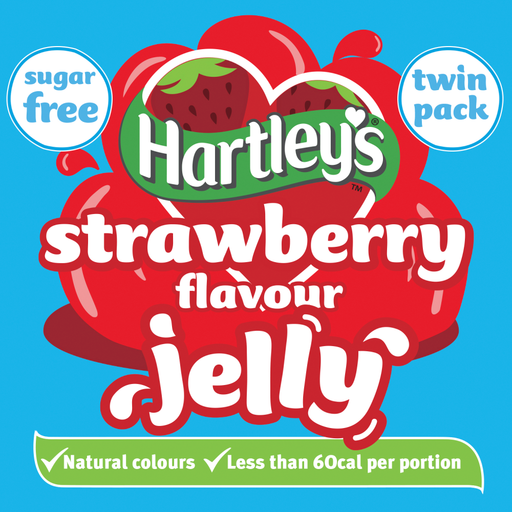 No image available
Consider this prepared jelly as a sweet snack rather than planned ride fuel. Joybuy UK lists 0.5g carbohydrate per prepared 145g serving; check the ingredients if aspartame or pork gelatine affects your choice.
 No image available
These regular sweets are an alternative to a sugar-free snack if you want to calculate a carbohydrate-containing portion. Use the current pack's nutrition panel and try the portion on a training ride.
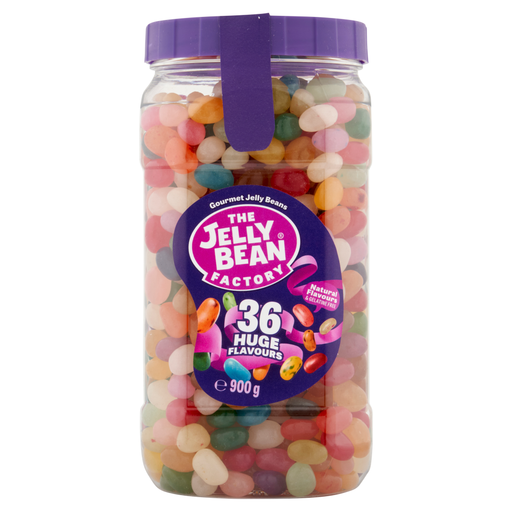 No image available
For a ride-fuelling plan, portion these regular jelly beans from the 900g pack rather than treating the pack as a serving. Check the carbohydrate figure on the current label and test your chosen portion in training.
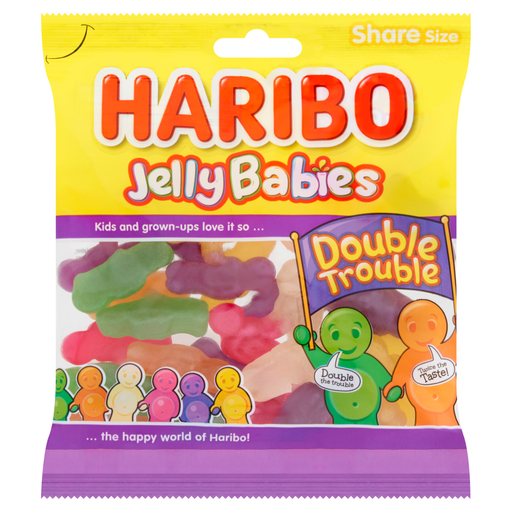 No image available
This sharing bag contains regular jelly sweets, not a sugar-free jelly snack. If you plan to take some on a longer ride, measure a portion using this variant's carbohydrate label and try eating it during training.
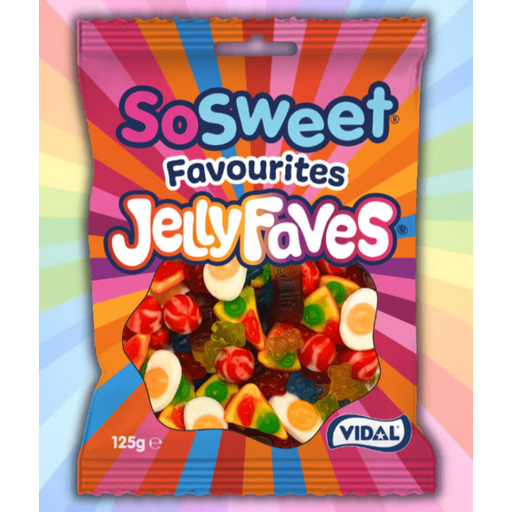 No image available
These regular sweets offer another portioning choice for someone considering confectionery as ride fuel. Check the carbohydrate on the current pack, measure the amount you will carry and test that portion in training.
Do not rely on it as the main carbohydrate source. ASDA Groceries lists less than 0.5g carbohydrate per prepared serving of Hartley's Sugar Free Orange jelly, while British Cycling advises 30–60g carbohydrate per hour for indoor rides over 90 minutes. For planned on-bike fuel, calculate portions from a carbohydrate-containing product's label.
No; sweets are not a requirement for every ride. British Cycling suggests considering additional fuel for a commute longer than an hour and gives a carbohydrate target for indoor rides over 90 minutes. Consider the ride's duration and intensity when deciding whether to carry food.
Start with total carbohydrate and the amount of product that figure describes: a serving, 100g or a prepared portion. If the sweets are part of a ride plan, use those figures to calculate the portion you intend to eat; a “sugar-free” label alone does not answer that question.
No. The NHS says aspartame is unsuitable for people with phenylketonuria. Check the exact jelly's ingredients and phenylalanine warning rather than assuming all sugar-free variants use the same sweetener.