Continental-breakfast hosts
If you want to offer a sweet extra, keep it separate from the bread or cereal, fruit and other breakfast foods. The UK Eatwell Guide advises having foods high in fat, salt or sugar less often and in small amounts.


Choose a ready-to-eat sugar-free jelly sweet only as a small optional extra, not in place of the usual breakfast foods. Check the exact pack: reduced sugar is not the same as sugar-free, and sugar-free sweets can still contain carbohydrate, calories or ingredients that do not suit every guest.
If you want to offer a sweet extra, keep it separate from the bread or cereal, fruit and other breakfast foods. The UK Eatwell Guide advises having foods high in fat, salt or sugar less often and in small amounts.
A sugar-free claim does not tell you the total carbohydrate or energy content. Diabetes UK notes that polyols, a type of sweetener, contain carbohydrate and calories; check the nutrition panel for the particular product.
Check the exact pack for gelatine, allergens and dietary statements. A Quarter Of says its Sugar Free Jelly Bears are not vegetarian, while M&S labels its Reduced Sugar Percy Pig Sweets vegan and vegetarian; the latter are not sugar-free.
Decide whether you need a bagged sweet or can prepare a spoonable jelly, then check the sugar claim, nutrition panel and ingredients on the exact pack.
| Priority | What to check | Your needs |
|---|---|---|
| Sugar claim | Distinguish sugar-free from reduced sugar. Compare sugars per 100g on the nutrition panels: A Quarter Of lists 0.5g for its Sugar Free Jelly Bears, while M&S lists 36.9g for its Reduced Sugar Percy Pig Sweets. | If I need sugar-free sweets, a reduced-sugar label alone will not do. |
| Sweeteners | Read the ingredient list for polyols such as maltitol and check total carbohydrate, energy and any laxative-effect warning. GOV.UK lists that warning for foods containing more than 10% polyols. | I want to know what sweetens the product before deciding how much to serve. |
| Format | Check whether the product is ready to eat or consists of crystals that need preparing and setting. Hartley's markets sugar-free jelly crystals as a prepared jelly option. | A bagged sweet is simpler to put out; I could prepare a spoonable jelly in advance if that suits the breakfast. |
| Dietary fit | Check the current ingredients, allergen information and vegetarian or vegan statement. A Quarter Of says its Sugar Free Jelly Bears are not vegetarian. | For guests avoiding particular ingredients, I need more than a sugar-free claim. |
| Place in the meal | Plan sweets as an optional small extra rather than a replacement for breakfast foods. The UK Eatwell Guide describes a dietary pattern that includes starchy foods, fruit and vegetables, dairy or alternatives, and protein foods. | I want guests to have breakfast choices beyond confectionery. |
M&S describes Reduced Sugar Percy Pig Sweets as having a third less sugar, but lists 36.9g sugars per 100g. They do not meet a strict sugar-free requirement.
If sugar-free is essential, check the claim and nutrition panel for the exact product rather than relying on a reduction claim.
Diabetes UK explains that polyols contain carbohydrate and calories. GOV.UK also lists a laxative-effect warning for foods containing more than 10% polyols.
Check the sweeteners, total carbohydrate and any warning on the pack before putting out a bowl for guests to help themselves.
A Quarter Of says its Sugar Free Jelly Bears are not vegetarian. A sweet labelled vegan may, in turn, be reduced-sugar rather than sugar-free.
Check the current pack against each guest's ingredient, allergen and dietary requirements.
A sugar-free label does not make confectionery a substitute for the range of foods described in the UK Eatwell Guide.
If you serve jelly sweets, offer them as a small optional extra alongside the other breakfast choices.
A retailer offering ready-to-eat Sugar Free Jelly Bears.
Its sugar-free jelly crystals make a prepared jelly dessert rather than a ready-to-eat bagged sweet.
Its Reduced Sugar Percy Pig Sweets are an option only if reduced sugar, rather than sugar-free, meets your requirement.
Its Jelly Beans provide a conventional jelly-sweet reference, not a sugar-free option.
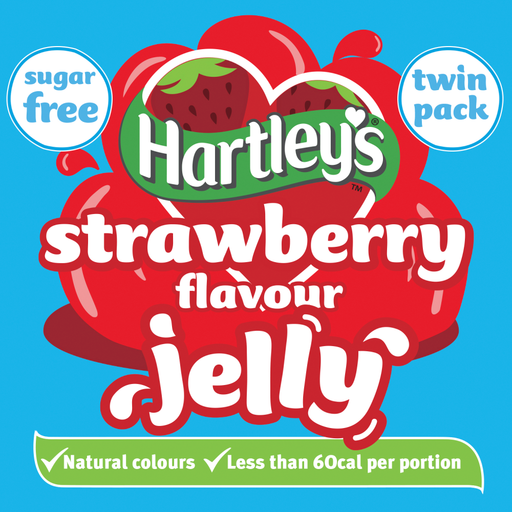
This option is a sugar-free jelly for preparing ahead as a spoonable breakfast extra, not a bag of ready-to-eat jelly sweets.
 No image available
This 23g strawberry jelly option needs preparing and time to set, so it suits a breakfast where a spoonable extra can be made in advance.
The product information identifies pork gelatine and a source of phenylalanine. Check the current pack's complete allergen and dietary information against guests' needs before serving.
No. Treat them as an optional small extra. The UK Eatwell Guide describes a dietary pattern that includes fruit and vegetables, starchy foods, dairy or alternatives, and protein foods.
No. Diabetes UK explains that polyols contain carbohydrate and calories. Check total carbohydrate and energy, as well as sugars, on the exact product's nutrition panel.
GOV.UK lists the warning “Excessive consumption may cause a laxative effect” for foods containing more than 10% polyols. Check the pack and consider that warning when deciding how to serve the sweets.
Check the exact pack's ingredients and dietary statement. A Quarter Of says its Sugar Free Jelly Bears are not vegetarian, whereas M&S labels Reduced Sugar Percy Pig Sweets vegan and vegetarian—but the M&S sweets are not sugar-free.