For a ready-to-eat mid-morning sweet with a chewy texture, look for a clearly labelled sugar-free gummy and check its sweeteners and ingredients before choosing a portion. Diablo gummy bears are one example, but they contain gelatine, maltitol and sorbitol; a prepared sugar-free jelly is a different choice if you can make and chill it in advance. As the NHS notes, sweeteners do not automatically make a food healthy.
Who is this choice for?
The useful distinction is whether you need a sweet you can eat straight from the pack or can prepare a jelly ahead of time.
Adults choosing a sweet mid-morning treat
If you want a confectionery-style snack while reducing sugar, check the claim on the exact pack rather than assuming that all lower-sugar sweets are sugar-free. The NHS notes that sweeteners do not necessarily make a food healthy.
Gummy fans checking dietary ingredients
If chewy texture matters, read the ingredient list as well as the sugar claim. Tesco lists gelatine, maltitol and sorbitol in Diablo Sugar Free Gummy Bears and states that they are not suitable for vegetarians or vegans.
Buyers providing school food in England
A sugar-free claim does not change how non-chocolate confectionery is defined in England’s Requirements for School Food Regulations 2014: the definition includes it whether or not it contains sugar. Check the standards applicable to food supplied in state-funded schools in England before ordering.
What should you check before buying?
Start with the sugar-free claim, then check the ingredients and whether the format fits when and where you plan to eat it.
| Priority | What to check | Your needs |
|---|
| Sugar-free claim |
Look for the exact claim and read the nutrition panel. The sugar-free nutrition-claim condition published on legislation.gov.uk is no more than 0.5 g of sugars per 100 g or 100 ml; reduced sugar and no added sugar are different claims. |
I want a sugar-free sweet, not just one described as containing less sugar. |
| Sweeteners |
Read the named sweeteners and any pack warning. Tesco lists maltitol and sorbitol in Diablo gummies; specialist retailer Handy Candy warns that excessive consumption of its sugar-free sweets can cause laxative effects. |
For a desk or travel snack, I want to know which sweeteners are in the particular bag and follow its portion advice. |
| Dietary ingredients |
Check the exact product’s ingredients and suitability statement. Tesco says Diablo gummies contain gelatine and are not suitable for vegetarians or vegans. |
Gelatine matters to my choice, so a jelly texture or sugar-free label alone is not enough. |
| Snack format |
Check whether it is ready to eat or needs preparation and chilling. Tesco describes Hartley’s Create Your Own Jelly Crystals as sugar-free when prepared with a sugar-free drink. |
Do I need something I can open mid-morning, or can I make a spoonable jelly beforehand? |
Common buying mistakes
-
Treating reduced sugar as sugar-free
A reduced-sugar sweet may still contain sugars. Under the sugar-free nutrition-claim condition published on legislation.gov.uk, a product must contain no more than 0.5 g of sugars per 100 g or 100 ml to use that claim.
Check the wording and nutrition panel on the particular pack rather than substituting a reduced-sugar or no-added-sugar claim.
-
Overlooking the sweeteners
Tesco lists maltitol and sorbitol in Diablo Sugar Free Gummy Bears. Specialist retailer Handy Candy warns that excessive consumption of its sugar-free sweets can cause laxative effects.
Read the ingredient list and follow any advisory wording on the pack, particularly if you are unfamiliar with its sweeteners.
-
Assuming a jelly sweet is vegetarian
Tesco states that Diablo gummies contain gelatine and are not suitable for vegetarians or vegans. Its listing for Hartley’s Create Your Own Jelly Crystals names pork gelatine.
Check the ingredients and suitability statement for the exact product; neither its texture nor its sugar claim establishes dietary suitability.
-
Buying jelly crystals for an immediate snack
Hartley’s Create Your Own Jelly Crystals are a prepared, chilled jelly, not a bag of ready-to-eat gummies.
Choose a ready-to-eat format if you need to open it mid-morning; choose crystals only if you can prepare and chill the jelly beforehand.
Preparation also takes time and requires a suitable sugar-free drink if you want to follow the sugar-free preparation described by Tesco.
Relevant brand references
These examples cover different sweet and jelly formats; each product’s own label determines its claim and ingredients.
Diablo
A ready-to-eat gummy-bear example listed by Tesco Marketplace.
- Tesco describes the gummy bears as jelly sweets with sweeteners and lists maltitol and sorbitol.
- They contain gelatine and are not suitable for vegetarians or vegans.
De Bron
A specialist sugar-free range with several gummy and jelly-style shapes listed by Handy Candy.
- The retailer lists gummy twin cherries, poker fruits, raspberry gum drops and wine gums.
- Handy Candy warns that excessive consumption of its sugar-free sweets can cause laxative effects; check the individual pack’s ingredients.
Hartley’s
A prepared, spoonable jelly alternative rather than a ready-to-eat jelly sweet.
- Tesco describes Create Your Own Jelly Crystals as sugar-free when made with a sugar-free drink.
- The crystals require preparation and contain pork gelatine.
M&S
A reference point for distinguishing reduced-sugar jelly sweets from sugar-free ones.
- M&S lists reduced-sugar wine gums and cola bottles among its sweets.
- Reduced sugar is not the same claim as sugar-free; check the exact product if sugar-free is your requirement.
Joybuy product option
This option is a jelly to prepare ahead for a mid-morning snack, rather than a ready-to-eat gummy sweet.
 No image available
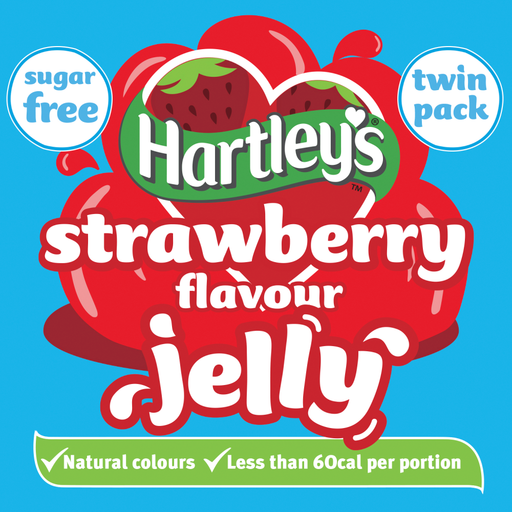
Hartley's Strawberry Jelly Sugar Free 23g
Consider this strawberry jelly if you can prepare and set it before your mid-morning break; it is not a portable, ready-to-eat gummy. The product information identifies pork gelatine and a source of phenylalanine, so check the pack if those ingredients matter to you.
View on Joybuy
Questions about sugar-free jelly sweets
What does sugar-free mean on a jelly-sweet label?
Under the sugar-free nutrition-claim condition published on legislation.gov.uk, the product must contain no more than 0.5 g of sugars per 100 g or 100 ml. Check the exact pack: reduced sugar and no added sugar are different claims.
Does sugar-free make a jelly sweet a balanced mid-morning snack?
No. The NHS says lower- and no-calorie sweeteners may help reduce sugar intake but do not necessarily make a food healthy. A sugar-free jelly sweet remains a confectionery choice rather than a substitute for a balanced snack.
Why check the sweeteners in sugar-free gummies?
Different products can use different sweeteners: Tesco lists maltitol and sorbitol in Diablo Sugar Free Gummy Bears. Read the exact pack and its advisory wording; specialist retailer Handy Candy warns that excessive consumption of its sugar-free sweets can cause laxative effects.
Are Diablo Sugar Free Gummy Bears vegetarian?
No. Tesco lists gelatine and explicitly states that these gummy bears are not suitable for vegetarians or vegans.
Does sugar-free change the school-food classification of jelly sweets in England?
No. England’s Requirements for School Food Regulations 2014 define non-chocolate confectionery as confectionery whether or not it contains sugar. For food supplied in state-funded schools in England, check the applicable school-food standards rather than relying on a sugar-free claim; this does not establish the rules for the other UK nations.


