Shoppers who need a sugar-free gummy
A ready-to-eat format may suit a gaming session, but check for an explicit sugar-free claim. A reduced-sugar label answers a different buying need.


For a ready-to-eat gaming snack that needs to be sugar-free, choose a gummy explicitly labelled sugar-free rather than one labelled reduced sugar. If preparing jelly before you play is practical, a sugar-free jelly dessert is another format to consider; whichever you choose, check the sweeteners, carbohydrate information and ingredients, because sugar-free does not mean carbohydrate-free or suitable for every diet.
A ready-to-eat format may suit a gaming session, but check for an explicit sugar-free claim. A reduced-sugar label answers a different buying need.
A reduced-sugar version of a familiar sweet may be worth considering if a sugar-free claim is not essential. Check its sugars per 100g before choosing.
Read the current pack for gelatine, vegetarian or vegan declarations, and any sweetener-related statements. A sugar-free label alone does not answer those questions.
Decide whether sugar-free is a requirement, then choose between a ready-to-eat sweet and jelly that needs preparing. The nutrition and ingredient panels help distinguish products within either format.
| Priority | What to check | Your needs |
|---|---|---|
| Sugar claim | Check the exact front-of-pack claim and sugars per 100g. The sugar-free claim threshold published by legislation.gov.uk is no more than 0.5g sugars per 100g or 100ml; reduced sugar is a different claim. | I need the product to be sugar-free, not simply lower in sugar than another sweet. |
| Snack format | Check whether the product is ready to eat or must be prepared and set. A jelly powder is not a portable gummy sweet. | I want something I can eat during a game, or I can prepare a jelly before the session. |
| Sweeteners and nutrition | Read the sweetener list alongside the carbohydrate and energy figures. Diabetes UK notes that polyols contain carbohydrate and calories, despite a sugar-free claim. | If I track carbohydrate, the sugar-free wording alone will not give me the information I need. |
| Dietary ingredients | Check for gelatine and the pack’s vegetarian or vegan declaration. Also read any aspartame and phenylalanine statements where relevant. | A sweet needs to fit my ingredient requirements as well as my preference about sugar. |
| Conventional sweets | Compare sugars per 100g and consider how much of the pack you intend to eat. HARIBO UK lists 55g sugars per 100g for Jelly Babies. | I may prefer an ordinary jelly sweet for its familiar format, but it would not meet a sugar-free requirement. |
M&S lists 36.9g sugars per 100g for Reduced Sugar Percy Pig. Its reduced-sugar claim does not make it a choice for a strict sugar-free requirement.
Check both the claim wording and the sugars-per-100g figure before buying.
Diabetes UK explains that polyols contain carbohydrate and calories. Tesco lists maltitols and sorbitol among the ingredients of Diablo Sugar Free Gummy Bears.
Use the full nutrition panel if you count carbohydrate. If you adjust insulin, seek individual advice from your healthcare team about polyols.
Tesco lists gelatine in Diablo Sugar Free Gummy Bears, while Sainsbury’s lists a phenylalanine statement for Simply Delish Zero Raspberry Jelly. These details matter for different shoppers.
Check the current pack’s ingredients, dietary declarations and warnings rather than relying on the sugar claim.
These examples illustrate different jelly-sweet formats and sugar claims; check the particular product rather than treating a brand name as a dietary guarantee.
Tesco lists Diablo Sugar Free Gummy Bears as ready-to-eat jelly sweets with sweeteners.
M&S presents Reduced Sugar Percy Pig as a reduced-sugar sweet, not a sugar-free one.
HARIBO Jelly Babies illustrate the conventional jelly-sweet option.
Sainsbury’s lists Simply Delish Zero Raspberry Jelly as a sugar-free prepared jelly.
This option is for making sugar-free strawberry jelly before a gaming session, rather than opening a ready-to-eat bag of gummy sweets.
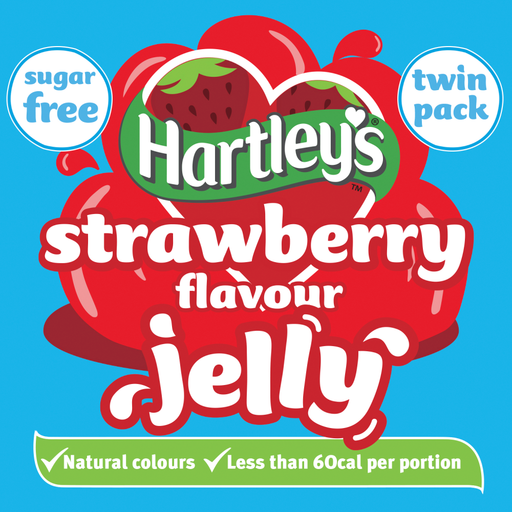 Image unavailable
This sugar-free jelly is an option if you can prepare it with boiling water and allow it to set before playing; it is not a ready-to-eat gummy. It contains pork gelatine and a source of phenylalanine, so check the current pack against your ingredient requirements.
The sugar-free claim threshold published by legislation.gov.uk is no more than 0.5g sugars per 100g or 100ml. Check the nutrition panel as well as the wording on the front of the pack; reduced sugar is a different claim.
No. M&S says Reduced Sugar Percy Pig contains a third less sugar, but its nutrition panel still lists 36.9g sugars per 100g. It may fit a preference for reduced sugar, not a strict sugar-free requirement.
No. Sugar-free gummies can contain polyols, which Diabetes UK says contain carbohydrate and calories. Read the product’s carbohydrate information; if you adjust insulin, ask your healthcare team for individual advice about polyols.
Check the current ingredients and dietary declaration for the exact product. Tesco lists gelatine in Diablo Sugar Free Gummy Bears and says they are unsuitable for vegetarians and vegans; M&S labels Reduced Sugar Percy Pig vegan and vegetarian, but it is not sugar-free.