People reducing sugars
If you want an occasional sweet, check the sugars-free claim and the sugars figure for the exact product. An ingredient such as sorbitol does not, by itself, establish that a sweet is sugar-free.


Choose sugar-free jelly sweets as a gym-bag treat if reducing sugars is your aim and the exact product makes a valid sugars-free claim. If the snack has a pre- or post-exercise purpose, choose it according to timing and the nutrients needed for that session instead; also check sugar-free sweets for polyols before taking them to training.
The reason for carrying a sweet matters more than whether it can fit in a gym bag.
If you want an occasional sweet, check the sugars-free claim and the sugars figure for the exact product. An ingredient such as sorbitol does not, by itself, establish that a sweet is sugar-free.
If the food is meant for before or after training rather than simply for taste, consider when you will eat it and whether you need carbohydrate and protein. University College London Hospitals NHS Foundation Trust distinguishes snacks by their exercise purpose and timing.
Read the ingredients if you are concerned about polyols: the NHS says they can have a laxative effect in large amounts. The NHS also identifies aspartame as unsuitable for people with phenylketonuria (PKU).
Choose when: You want a sweet treat while reducing sugars, and the exact pack makes a sugars-free claim.
Trade-off: A sugars-free label does not show whether the sweet meets a particular exercise-snack need; polyols may also matter to you.
Choose when: You want confectionery for taste and convenience, rather than a sugar-free product or a complete exercise snack.
Trade-off: Sugar content varies by product. HARIBO UK lists 66g sugars per 100g for Jelly Beans and 34g per 100g for Fruitilicious.
Choose when: The food has a defined pre- or post-exercise role, not just a place in your bag.
Trade-off: You need to consider the activity and timing. University College London Hospitals NHS Foundation Trust advises carbohydrate and protein, among other components, for a snack eaten 60 to 90 minutes before exercise.
Once you know whether you want a treat or an exercise snack, check the exact product rather than relying on the type of sweet alone.
| Priority | What to check | Your needs |
|---|---|---|
| Sugars-free claim | Look for the claim on the exact product and compare it with sugars per 100g or 100ml. The nutrition-claims annex published on legislation.gov.uk sets a limit of 0.5g sugars per 100g or 100ml for a sugars-free claim. | I want a sweet with a substantiated sugars-free claim, not one that merely contains a sweetener or sounds lower in sugar. |
| Exercise purpose | Decide whether this is a treat or food for a particular point in your session. For a snack 60 to 90 minutes before exercise, University College London Hospitals NHS Foundation Trust advises carbohydrate, protein, minimal fat, vitamins and minerals. | If I am packing food for before or after training, I want to choose it for that role rather than assume a sugar-free sweet will do the same job. |
| Polyols | Read the ingredients for polyols such as sorbitol, xylitol and erythritol, and check any wording about consumption. The NHS says polyols can have a laxative effect in large amounts. | A new sweet is not something I want to try in a large amount just before training. |
| Ingredients | Check the exact product for gelatine, a vegan claim and any ingredients you need to avoid. Check sugars separately: HARIBO UK labels its Jelly Beans suitable for vegans, but lists 66g sugars per 100g. | I may need a vegan sweet, but I do not want to mistake that characteristic for a sugars-free claim. |
| Pack format | Check the pack quantity and serving information before deciding what to carry. Where a multipack title and description differ, confirm the quantity being ordered. | I want to know how much I am putting in my bag, especially if the listing describes both a case and a single bag. |
HARIBO UK lists sorbitol syrup in Fruitilicious, alongside 34g sugars per 100g. The ingredient alone does not establish a sugars-free claim.
Check the claim and sugars figure on the exact pack rather than judging it by a single ingredient or a word such as ‘fruit’.
A sweet chosen to reduce sugars is not necessarily suited to a pre- or post-exercise role. University College London Hospitals NHS Foundation Trust gives different snack guidance according to exercise timing and purpose.
Decide what you need the food to do before choosing between confectionery and a snack selected for that session.
The NHS says polyols, including sorbitol, xylitol and erythritol, can have a laxative effect if consumed in large amounts.
Check the ingredients and avoid making a large serving of an unfamiliar product part of your training routine.
These examples show why claims and ingredients need checking product by product; a brand name does not establish that its jelly sweets are sugar-free.
HARIBO UK publishes ingredients and nutrition information for its Jelly Beans and Fruitilicious products.
Tesco Groceries lists Rowntree's Jelly Tots among its jelly and chewy sweets.
Tesco Groceries lists jelly sweets and, separately, Hartley's Sugar Free Jelly products in its dessert-jelly category.
These fruit-flavoured sweets fit the occasional-treat choice, not a sugars-free choice or a planned exercise snack. Check the exact pack if reducing sugars is your reason for buying.
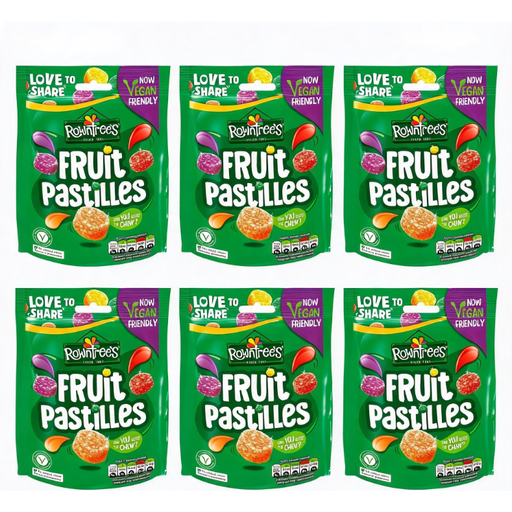 No image available
For an occasional vegan-labelled sweet rather than a sugars-free exercise snack. The listed sugars mean these pastilles are not sugar-free; check the nutrition panel when deciding what to carry.
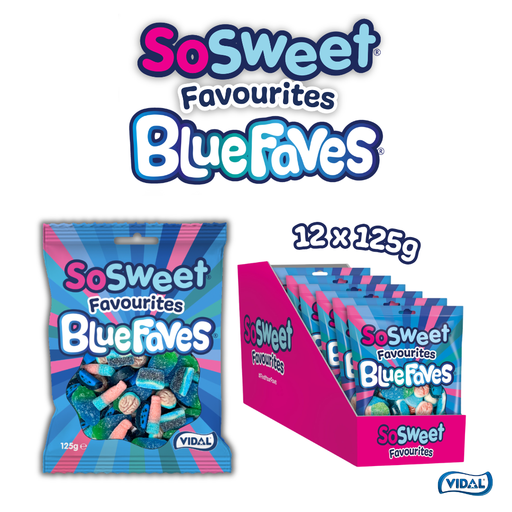 No image available
For a chewy sweet as an occasional treat, not a sugar-free snack. It contains wheat gluten and gelatine. The title says 12 x 125g, while the description also refers to a single bag, so confirm the delivered quantity before ordering.
The nutrition-claims annex published on legislation.gov.uk permits a sugars-free claim only where the product contains no more than 0.5g sugars per 100g or 100ml. Check the claim and nutrition declaration for the exact product; the presence of a sweetener is not enough.
They fit a different purpose if you want an occasional sweet while reducing sugars, but the label does not establish that they meet an exercise-snack need. The NHS notes that lower- or no-calorie sweeteners do not necessarily make a food healthy; choose food for training according to its intended role and timing.
Polyols can have a laxative effect in large amounts, according to the NHS. Check for ingredients such as sorbitol, xylitol and erythritol, particularly before taking an unfamiliar sweet to a session.
Do not assume jelly sweets alone meet either purpose. For a snack eaten 60 to 90 minutes before exercise, University College London Hospitals NHS Foundation Trust advises carbohydrate, protein, minimal fat, vitamins and minerals; the appropriate choice also depends on the activity and timing.