Hosts looking for sugar-free treats
A fruit flavour, a lighter-sounding name or a ‘no added sugar’ claim does not establish that a sweet is sugar-free. Check the claim and nutrition panel on the pack you intend to serve.


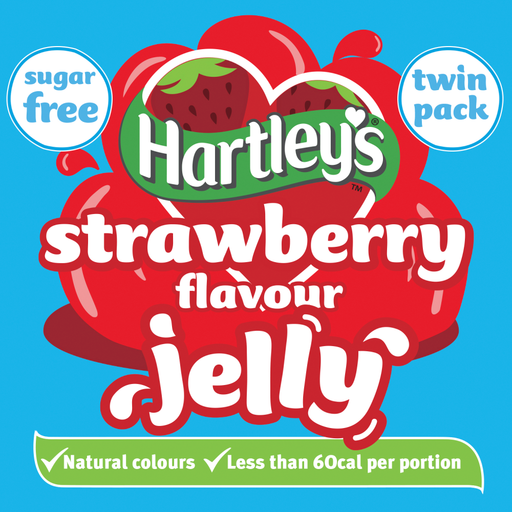
For a Halloween party where sugar-free is essential, choose a product that carries that claim rather than assuming a familiar jelly-sharing bag qualifies. UK sugar-free claim rules published on legislation.gov.uk set a limit of no more than 0.5g sugars per 100g or 100ml. Hartley’s Sugar Free Strawberry Jelly Crystals offer a make-ahead dessert but contain pork gelatine; for chewy sweets, Free From Fellows describes a sugar-free gummy range, though the exact pack still needs an ingredient and dietary-suitability check.
A fruit flavour, a lighter-sounding name or a ‘no added sugar’ claim does not establish that a sweet is sugar-free. Check the claim and nutrition panel on the pack you intend to serve.
Sugar-free and vegan describe different things. The checked Hartley’s Sugar Free Strawberry Jelly Crystals contain pork gelatine, while Free From Fellows describes its sugar-free sweet range as vegan and gelatine-free. Check the chosen pack for each guest’s requirements.
If a state-funded school in England is providing the food, confirm its catering arrangements and policy before buying. Department for Education guidance covers legal requirements for food provided in those schools; a sugar-free label does not settle the school-food question.
Decide whether the party needs a chilled dessert or sweets guests can pick up, then check the exact product label against the sugar-free requirement and any guest restrictions.
Choose it when: You can prepare and chill jelly for cups, moulds or a shared bowl. Tesco Groceries lists its Hartley’s Sugar Free Strawberry Jelly Crystals as sugar-free.
Trade-off: This is a prepared dessert, not a chewy sweet, and the checked crystals contain pork gelatine.
Choose them when: Guests need a chewy sweet rather than a dessert served from a bowl. Free From Fellows describes sugar-free gummy-bear and wine-gum products.
Trade-off: Check the exact pack’s ingredients and serving information; a gummy format does not establish that sweets are individually wrapped.
| Priority | What to check | Your needs |
|---|---|---|
| Sugar-free claim | Look for ‘sugar-free’ on the exact pack and read its sugars declaration. UK claim rules published on legislation.gov.uk set a maximum of 0.5g sugars per 100g or 100ml; ‘no added sugar’ is a different claim. | If sugar-free is essential, I want the label to establish it—not a fruit picture or a familiar product name. |
| Serving format | Check whether the product needs preparation and refrigeration or is a ready-to-eat chewy sweet. Check packaging separately if individual portions matter. | I can make jelly ahead for cups or a sharing bowl, but for sweets guests can pick up, I need a different format. |
| Ingredients | Read the exact pack’s ingredient and allergen information, including gelatine and sweeteners. The checked Hartley’s crystals contain pork gelatine, aspartame and acesulfame K and carry a phenylalanine warning. | Before serving guests with dietary restrictions, I need to know what is in the particular product I bought. |
| Sharing bags | Compare sugars on the same per-100g basis. ASDA Groceries lists 34g sugars per 100g for Haribo Fruitilicious Jelly Fruit Gums and 54.6g per 100g for Rowntree’s Jelly Tots; these figures apply to those named bags. | A familiar jelly-sweet bag would be convenient, but I cannot use either of these checked products when sugar-free is a firm requirement. |
They are different claims. UK sugar-free claim rules published on legislation.gov.uk specify no more than 0.5g sugars per 100g or 100ml.
Check the sugar-free wording and the sugars declaration on the exact product, rather than relying on fruit-themed packaging.
The checked Haribo Fruitilicious and Rowntree’s Jelly Tots bags list sugar and glucose syrup. ASDA Groceries gives their sugars as 34g and 54.6g per 100g respectively.
If sugar-free is required, assess each named product and variant from its own label instead of assuming the brand or jelly format qualifies.
The checked Hartley’s Sugar Free Strawberry Jelly Crystals contain pork gelatine and carry a phenylalanine warning. A sugar-free claim does not answer whether a product meets a guest’s other restrictions.
Check ingredients, allergens and warnings on the current pack before serving it.
For food provided by a state-funded school in England, Department for Education guidance identifies separate school-food requirements. The School Food Regulations’ definition of confectionery includes non-chocolate confectionery whether or not it contains sugar.
Confirm the proposed food with the school or catering provider before buying for a school-provided event.
These examples distinguish prepared jelly, sugar-free gummy-style sweets and conventional sharing bags; the product-level details do not apply to every item from each brand.
The checked Sugar Free Strawberry Jelly Crystals 2x23g are a make-ahead dessert for a chilled party serving, rather than sweets to hand out.
The brand describes a sugar-free range that includes gummy-bear, wine-gum and cola-bottle styles.
The checked Fruitilicious Jelly Fruit Gums 150g bag is a conventional sharing-bag example, not a sugar-free choice.
The checked Jelly Tots 150g sharing bag is not a substitute when sugar-free is required.
This make-ahead strawberry jelly option suits a Halloween serving table where there is time to prepare and chill dessert; it is not a ready-to-eat gummy sweet.
 No image available
Consider these jelly crystals if you can prepare dessert before the party and allow it to set.
The Joybuy listing identifies a 23g pack and states 0.5g sugars per 100g as prepared. It lists pork gelatine, aspartame and acesulfame K and carries a phenylalanine warning; check the pack against guests’ dietary requirements.
No. UK sugar-free claim rules published on legislation.gov.uk set a maximum of 0.5g sugars per 100g or 100ml. ‘No added sugar’ is a different claim, so check the wording and nutrition panel on the sweet or jelly you are buying.
Read the exact pack’s ingredients and warnings, because sweeteners differ between products. For example, the checked Hartley’s Sugar Free Strawberry Jelly Crystals list aspartame and acesulfame K and carry a phenylalanine warning.
No. The checked crystals listed by Tesco Groceries contain pork gelatine, so they do not meet a vegan requirement. Check the exact variant before serving it.
Not the two checked bags if sugar-free is essential. ASDA Groceries lists 34g sugars per 100g for Haribo Fruitilicious Jelly Fruit Gums and 54.6g per 100g for Rowntree’s Jelly Tots. Those figures concern the named products, so assess any other variant on its own label.
No. If food is being provided by a state-funded school in England, check the school’s catering arrangements and policy before buying. Department for Education guidance addresses school-food requirements, and the School Food Regulations define confectionery to include non-chocolate confectionery whether or not it contains sugar.