
24/7 Customer Support

Free returns

Same-day & Next-day Delivery

Quality Guaranteed

Unlock Your Welcome Offers: FREE Delivery | Up to 80% OFF | Free 30-day JoyPlus trial
Download the APP
For UK households, choosing sugar-free and low-sugar food and drinks can make everyday shopping more predictable. Whether you are filling an office fridge, preparing lunchboxes or comparing convenient snacks, the front-of-pack wording does not always tell the full story.
A product marked “zero sugar” may still contain sweeteners, caffeine or phenylalanine. “No added sugar” does not mean sugar-free, while a reduced-sugar product may still contain a noticeable amount per serving. Pack size also affects value: a small single bottle can cost more per serving than a carefully selected multipack.
This guide highlights the main buying pitfalls, the specifications worth checking and suitable options for different UK shopping needs.
These terms describe different product characteristics:
For example, a reduced-sugar soy drink may contain added sugar at a lower level than its classic version, while a no-added-sugar biscuit can still contain carbohydrate and calories from flour, fat or sweeteners.
Sugar-free soft drinks often have very low energy values, but this does not apply to every food. A sugar-free biscuit may still contain around 400 kcal per 100g because of flour and fat. Similarly, sweeteners containing polyols can contribute to carbohydrate values even when the sugar line shows zero.
Compare the energy per 100g or 100ml and the realistic serving size rather than relying on the front label.
Aspartame-containing drinks and mints can contain a source of phenylalanine. Products sweetened with maltitol, sorbitol or erythritol may cause digestive discomfort for some people when consumed in excess. UK shoppers should also check allergens such as milk, soya, wheat, oats and nuts before ordering.
Always read the latest packaging, particularly if buying for children, pregnant people or anyone with an allergy or dietary restriction.
Start with the nutrition panel:
For instance, Diet Coke contains 0g sugar and 0.4 kcal per 100ml, while 7UP Zero lists 0g sugar and 7 kcal per 330ml can. These figures are more useful than broad descriptions such as “light” or “guilt-free”.
Look for the exact sweetener used:
Polyol-heavy products must carry appropriate warnings where applicable. Truvia Calorie Free Sweetener, for example, lists erythritol and steviol glycosides, while some sugar-free biscuits use maltitol or isomalt.
Multipacks can reduce the number of shopping trips, but only when the contents will be used before quality declines. Compare:
An 18-can or 24-can soft drink pack suits regular consumption, office buyers and gatherings. A six-carton soy milk pack may be more practical for school bags or individual breakfasts.
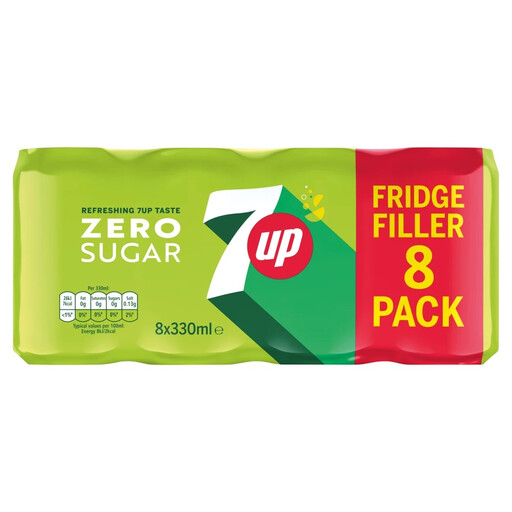
Why This Fits Their Persona: An eight-can format provides a manageable entry point for households comparing zero-sugar soft drinks without committing to a larger case.
The label states 0g sugar per 330ml can and identifies the sweeteners and phenylalanine warning clearly.
330ml cans; 0g sugar per can; suitable for vegetarians and vegans according to the supplied product information.
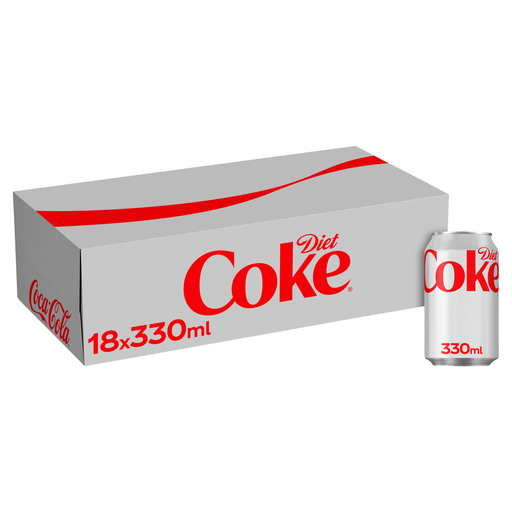
Why This Fits Their Persona: The 18-can multipack suits shoppers who want a familiar, ready-to-chill drink for work breaks, lunches or family occasions.
Its nutrition panel specifies 0g sugar and 0.4 kcal per 100ml, rather than relying only on “light” positioning.
330ml serving format; zero sugar per 100ml; contains caffeine and a source of phenylalanine, which buyers can assess against their preferences.

Why This Fits Their Persona: A four-can ambient multipack works for family cupboards, quick lunches and shoppers seeking reduced-sugar savoury staples rather than drinks alone.
The product information states 30% less sugar and 30% less salt than standard Branston baked beans, while still listing 5.7g sugar per half can.
410g cans; 5.1g fibre per 100g; ambient storage before opening.
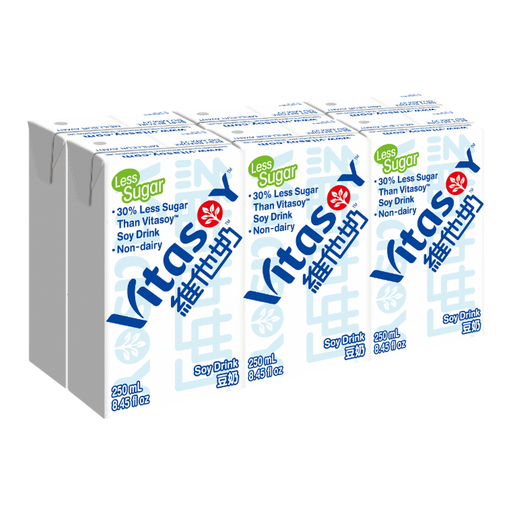
Why This Fits Their Persona: Six 250ml cartons are easy to chill, carry and allocate for breakfast, school bags or office storage.
It is described as reduced sugar, not sugar-free; the label lists 10g sugars and 26 kcal per 100ml, making the distinction clear.
250ml individual cartons; soy-based drink; 7g protein per 100ml according to the supplied nutrition information.
The wider range includes zero-sugar soft drinks, sugar-free biscuits, sugar-free mints, a calorie-free sweetener, low-sugar tea and a meal replacement shake. For snack cupboards, compare products such as Gullon Zero Original Digestives or Dark Chocolate Ginger Oaties by their sugar, energy, fibre and polyol figures.
For drinks, 7UP Zero, Coke Zero, Fanta Orange Zero and Tango Apple offer different pack sizes and flavours. Office buyers may prefer bulk multipacks, while individuals may favour smaller packs that reduce storage pressure. Always confirm ingredients, caffeine content and allergen statements before purchase.
We have compiled a complete, real-time list of products that fully satisfy these strict selection criteria and UK safety regulations.
Sugar-free drinks can fit different preferences, but they should not automatically replace water or unsweetened drinks. Check caffeine, sweetener and phenylalanine information, and consider the total pattern of your diet.
Not necessarily. Flour, oils and chocolate can still contribute substantial energy. Compare kcal per 100g and serving size, and note that polyols may appear in the carbohydrate declaration.
Calculate the price per can, carton or 100g rather than judging by the headline price. Larger multipacks may suit families and offices, while smaller packs can be more practical if storage space or consumption is limited.