Gym-goers looking for breath freshness
A mint may suit you after training, coffee or a snack when freshness is the aim. It does not take the place of food when you need post-exercise fuel and protein.


Choose a sugar-free mint after the gym if you want breath freshness, not a replacement for food. If you need post-exercise fuel and protein, choose a suitable snack or meal separately: University College London Hospitals NHS Foundation Trust describes carbohydrate-and-protein snacks as serving that purpose. Check the mint’s sweeteners and pack warnings, particularly if polyols affect you or you have phenylketonuria (PKU).
A mint may suit you after training, coffee or a snack when freshness is the aim. It does not take the place of food when you need post-exercise fuel and protein.
You want a mint labelled sugar free and need to compare its ingredients and nutrition panel rather than assume that sugar free means free from carbohydrate or calories.
The sweetener list matters if polyols cause digestive symptoms or you have PKU and must avoid aspartame. Different mint formulations need checking individually.
Choose when: You want a portable breath freshener and do not expect it to provide post-exercise nutrition.
Bear in mind: Sugar-free mints can contain polyols, so the ingredients and consumption warning still matter.
Choose when: You need fuel and protein after exercise; University College London Hospitals NHS Foundation Trust describes carbohydrate-and-protein snacks as options for these needs.
Bear in mind: This addresses a different need from breath freshness; a mint can remain a separate choice.
| Priority | What to check | Your needs |
|---|---|---|
| Freshness or food | Decide whether you want a breath freshener or post-exercise fuel and protein. Compare food or drink for the latter need, rather than judging a mint by its flavour. | I want a mint for freshness, but I would choose food or drink separately if I needed a post-exercise snack. |
| Sugar and nutrition | Check the sugar-free label, ingredients, serving size and nutrition panel. Sugar free does not mean carbohydrate-free or calorie-free: Tesco Groceries lists 10 kcal per three-mint serving for its Polo Sugar Free Mints Roll. | I am choosing a no-sugar mint, but I still want to know what a stated serving contains. |
| Polyols | Look for sweeteners such as sorbitol or isomalt and read any excessive-consumption warning. Royal Berkshire NHS Foundation Trust notes that some polyols can have a laxative effect in large quantities. | If polyols cause me digestive symptoms, the sweetener list and how often I use the mints matter. |
| Aspartame | Check the current ingredients for aspartame and any phenylalanine statement. NHS guidance says aspartame is unsuitable for people with PKU. | If I have PKU, I need to rule out an aspartame-containing variant rather than rely on its sugar-free label. |
A mint addresses freshness, not a need for post-exercise fuel and protein. University College London Hospitals NHS Foundation Trust describes carbohydrate-and-protein snacks as serving those nutritional purposes.
Choose food or drink for that need, and use a mint separately if you want one.
Some sugar-free mints contain polyols and carry excessive-consumption warnings. Royal Berkshire NHS Foundation Trust says polyols including sorbitol can have a laxative effect in large quantities.
Read the pack warning and consider how your chosen sweeteners affect you rather than grazing on mints without checking.
Sugar-free mints do not all use the same sweeteners. NHS guidance says aspartame is unsuitable for people with PKU.
Check the current pack for aspartame and a phenylalanine statement before choosing a variant.
These examples illustrate differences in format and sweeteners; a brand name alone does not establish the formulation of every variant.
The sugar-free roll is a conventional pressed-mint format with a stated three-mint serving.
Mighties Extra Strong is a sugar-free mint sold in a small pack.
Smint includes sugar-free mint formats for shoppers who prefer a tin; check the particular flavour and pack.
The sugar-free lemon-mint drops offer a herbal and citrus flavour rather than a peppermint-only mint.
These sugar-free mint options address the breath-freshness side of the post-gym decision. Choose food or drink separately when you need post-exercise fuel and protein.
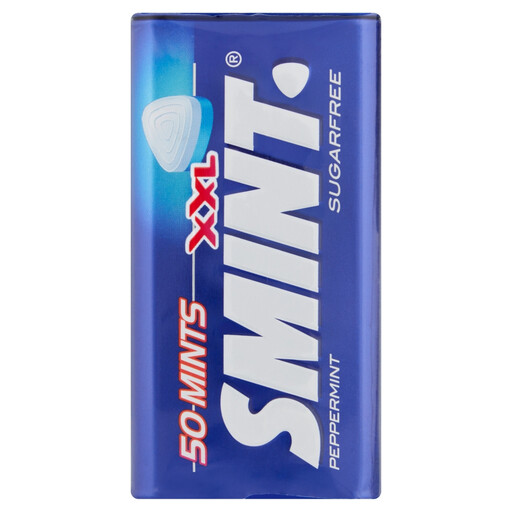 No image available
A 35 g peppermint mint option for breath freshness rather than post-exercise nutrition. Check the current pack’s sweetener list and consumption warning, especially if you have PKU or polyols affect you.
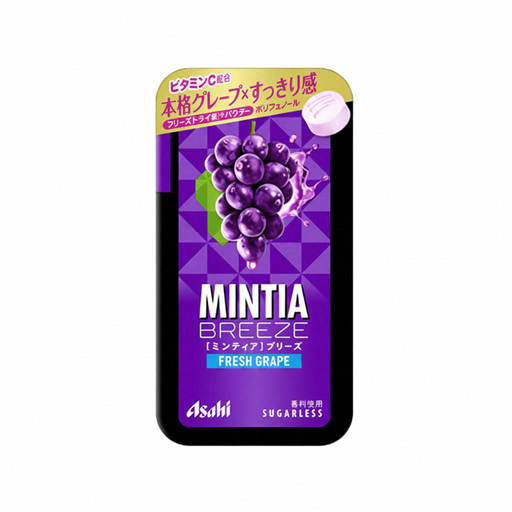 No image available
A 22 g grape-flavoured mint option for freshness, not a substitute for a post-exercise snack. Check the current pack’s sweeteners if aspartame or polyols matter to your choice; NHS guidance says aspartame is unsuitable for people with PKU.
No, not when you need post-exercise fuel and protein. A mint is a choice for breath freshness; University College London Hospitals NHS Foundation Trust describes carbohydrate-and-protein snacks as providing fuel for exercise and protein for muscle repair.
No. Check the serving size and nutrition panel: Tesco Groceries lists 10 kcal per three-mint serving for Polo Sugar Free Mints Roll, while sugar-free mint formulations can contain polyols.
Polyols can affect how suitable a mint is for someone who experiences digestive symptoms with them. Royal Berkshire NHS Foundation Trust says sugar alcohols such as sorbitol, mannitol and xylitol can have a laxative effect in large quantities; read the ingredients and any pack warning.
Check for aspartame and a phenylalanine statement. NHS guidance says aspartame is unsuitable for people with phenylketonuria (PKU), so a sugar-free label alone is not enough to establish suitability.