Home bakers choosing a mint finish
If your bake already works without a mint, you may want a small decorative sweet to add after baking. Choose it as a finishing element, not for the sweetness or structure of the recipe.


Treat sugar-free mints as sweets, not as a direct substitute for sugar in a home-baking recipe. A mint can be an optional finish added after baking if the recipe works without it, but check the exact pack for ingredients, allergens, age guidance and warnings before serving.
If your bake already works without a mint, you may want a small decorative sweet to add after baking. Choose it as a finishing element, not for the sweetness or structure of the recipe.
Sweeteners vary between mint products. Sulá Mint Humbugs, for example, list cream, butter and soya lecithin on the Waitrose & Partners product page. Check the current label before adding any sweet to a bake for others.
Age guidance matters even when the mint is only a topping. Marks & Spencer states that its Sugar-Free Clear Mint Drops are not suitable for children; check the guidance on the exact pack you plan to serve.
Consider it when: The bake is complete and works without the mint, and you want an optional decorative sweet.
Bear in mind: A small topping still brings its own ingredients and pack warnings to each serving.
Choose this approach when: You need the recipe itself to provide mint flavour or to work with a particular sweetener.
Bear in mind: Use a recipe developed for those ingredients rather than assuming a ready-to-eat mint will provide the required sweetness, bulk or texture.
| Priority | What to check | Your needs |
|---|---|---|
| Role in the bake | Decide whether the mint is a finish added after baking or an ingredient expected to affect the recipe. Do not use a confectionery label as a sugar-conversion guide. | I want to know whether the recipe will work before I add a mint, rather than relying on the sweet for structure or texture. |
| Sweetener and portions | Read the exact sweetener list and any polyol warning. GOV.UK says foods with more than 10% added polyols must carry a warning about laxative effects from excessive consumption. | For a shared bake, I need to consider how many mint sweets could be served in each portion, including any other polyol-containing components. |
| Allergens | Check the current ingredient and allergen statements, even for a small garnish. Waitrose & Partners lists cream, butter and soya lecithin in Sulá Mint Humbugs. | If I am serving other people, I need to know what the exact mint adds to the finished bake. |
| Age guidance | Read the product-specific age statement and consider whether a hard sweet is appropriate for those being served. Marks & Spencer labels its Sugar-Free Clear Mint Drops as unsuitable for children. | When children may eat the bake, I need to check the mint itself rather than judging suitability from the sugar-free claim. |
Ready-to-eat mint sweets do not provide a recipe conversion for the sweetness, bulk or texture that sugar may contribute to batter, dough or icing.
Choose a recipe developed for the sweetener and mint flavour you intend to use. Keep a packaged mint optional unless the exact product has instructions for your proposed baking use.
Some mint sweets contain polyols. The NHS notes that polyols can have a laxative effect when consumed in large amounts.
Read the current pack warning and consider the amount of mint in each serving, particularly if the bake contains other polyol-sweetened components.
A garnish still becomes part of the food served. Sulá Mint Humbugs list milk-containing ingredients and soya lecithin, while M&S Sugar-Free Clear Mint Drops carry a child-unsuitability statement.
Keep the packaging available until serving and check the exact product’s allergens, dietary labels and age guidance before adding it.
Tesco Groceries lists Polo Sugar Free Mints as a peppermint-style roll sweetened with sorbitol.
Tesco Groceries describes Trebor Mighties Extra Strong Sugar Free Mints as mint-flavoured sweets with sorbitol and sucralose.
M&S Sugar-Free Clear Mint Drops are hard mint sweets.
Waitrose & Partners lists Sulá Mint Humbugs as mint sweets containing isomalt, cream, butter and soya lecithin.
Waitrose & Partners describes Peppersmith Peppermint as a sugar-free mint sweetened with xylitol.
These Smint sweets are options to consider for an optional mint finish after baking, not substitutes for sugar in a recipe. Check the current pack before serving either product.
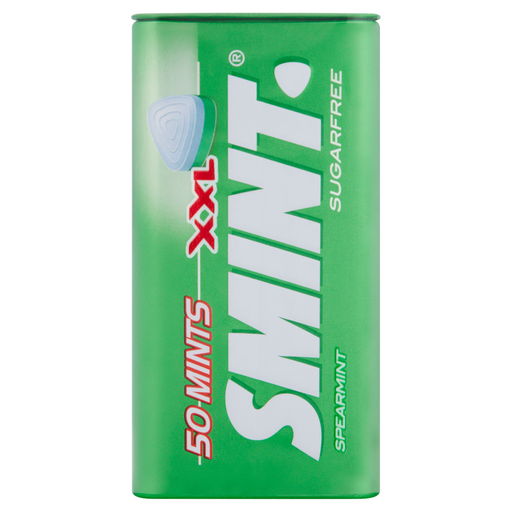 Image unavailable
A spearmint sweet to consider only as an optional finish after baking. The product description warns that it is not suitable for young children because of choking risk; check the current pack before serving.
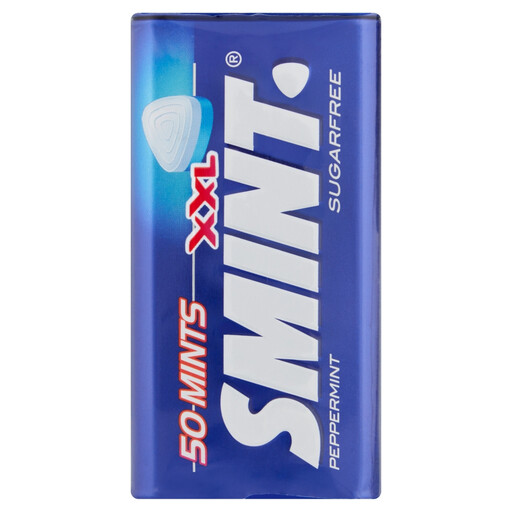 Image unavailable
A peppermint sweet to consider as an optional finish after baking, rather than an ingredient that the recipe depends on. Check the current pack if sweetener choice matters: the listing’s ingredient list and description disagree about whether it contains xylitol. The description also warns of a choking risk for young children.
Do not use a ready-to-eat mint as a direct sugar replacement without instructions for the exact product and recipe. A sugar-free label does not tell you how the sweet will affect sweetness, bulk, texture or baking behaviour; choose a recipe developed for the ingredients you intend to use.
GOV.UK food-labelling guidance requires that warning for foods containing more than 10% added polyols. The NHS also notes that polyols can have a laxative effect when consumed in large amounts, so read the exact pack and consider the amount in each serving.
Not necessarily: check the exact sweet and who will be eating it. Marks & Spencer states that its Sugar-Free Clear Mint Drops are not suitable for children, and a hard sweet also calls for age-appropriate care when serving.
Read the current label of the exact product, even if you will use only a small amount. Waitrose & Partners lists cream, butter and soya lecithin in Sulá Mint Humbugs; do not assume another sugar-free mint has the same ingredients.