Adults managing diabetes who want a pocket mint
A small pack may be convenient to carry. Diabetes UK advises looking beyond front-of-pack wording to the carbohydrate information when choosing food.


A small sugar-free mint pack can be useful when you want to carry a limited quantity, but neither its size nor the sugar-free wording establishes how it fits your diabetes management. Check total carbohydrate, the amount you expect to eat, the sweeteners and any pack warnings; if you count carbohydrates or adjust insulin, consider polyol-containing mints within your individual plan.
A small pack may be convenient to carry. Diabetes UK advises looking beyond front-of-pack wording to the carbohydrate information when choosing food.
The amount eaten matters as well as the label values. Check total carbohydrate and the sweetener type, and use your individual advice if you are unsure how to account for polyols.
A 12.5g or 18g pack puts less product in your pocket than a larger roll. Pack weight is a carrying choice, not a personal portion recommendation.
Start with the amount you are likely to eat, then use the nutrition panel and ingredients list to compare formats. A smaller pack does not replace those checks.
| Priority | What to check | Your needs |
|---|---|---|
| Carbohydrate | Read total carbohydrate, not only sugars, on the back label. Compare values on the same basis, such as per 100g, and account for the amount eaten. | I count carbohydrates, so the sugar-free claim alone does not tell me how to account for my mints. Diabetes UK and Worcestershire Acute Hospitals NHS Trust advise checking total carbohydrate rather than only sugars. |
| Pack and serving | Compare net pack weights and any stated serving. Tesco lists Trebor Mighties at 12.5g; Marks & Spencer lists its Curiously Strong Mints at 18g; Waitrose lists a 33.4g Polo tube and a three-mint serving. | A smaller pack suits me if I want to carry fewer mints, but I still need to decide how many I will actually eat. |
| Sweeteners | Read the ingredients and any excessive-consumption warning. Check the current pack if a listing gives inconsistent sweetener information. | If I consider a mint containing polyols, I want to check its ingredients and whether the pack warning or my own tolerance affects my choice. |
| Use and safety | Check warnings for small sweets around children. Keep breath mints distinct from the fast-acting carbohydrate specified for treating low blood sugar. | I need an appropriate hypo treatment available separately; the NHS identifies fast-acting carbohydrate options for low blood sugar, not sugar-free breath mints. |
The two are not equivalent. Tesco lists 97g available carbohydrate per 100g for Trebor Mighties Sugar Free Mints, while Marks & Spencer lists 97.3g carbohydrate per 100g for its Sugar Free Curiously Strong Mints.
Compare the back-label carbohydrate value and the amount you expect to eat, rather than deciding from the front of the pack.
Pack weight describes how much is in the pack, not how much is appropriate for an individual. Waitrose gives a three-mint serving for Polo Sugar Free Mints, which may differ from the number you eat.
Use a small pack to choose what you carry, and consider your actual consumption separately.
Waitrose warns that excessive consumption of Polo Sugar Free Mints may have laxative effects and that children under four could choke on small sweets.
Read the ingredients and warnings on the current pack, particularly if you know you are sensitive to a listed sweetener or the mints might be accessible to young children.
A sugar-free breath mint should not be relied on as the fast-acting carbohydrate used to treat low blood sugar.
Keep the hypo treatment in your diabetes-care plan separate from your mints. NHS guidance identifies options such as glucose or dextrose tablets for low blood sugar.
These UK retailer listings illustrate differences in pack size and label information; brand inclusion does not indicate that a product is available on Joybuy.
Tesco lists Trebor Mighties Extra Strong Sugar Free Mints in a 12.5g pack.
Marks & Spencer lists Sugar Free Curiously Strong Mints in an 18g pack.
Waitrose lists Polo Sugar Free Mints as 33.4g tubes in a four-pack, with three mints stated as one serving.
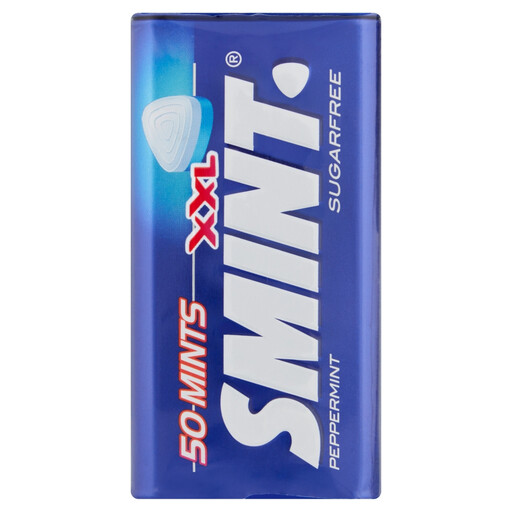
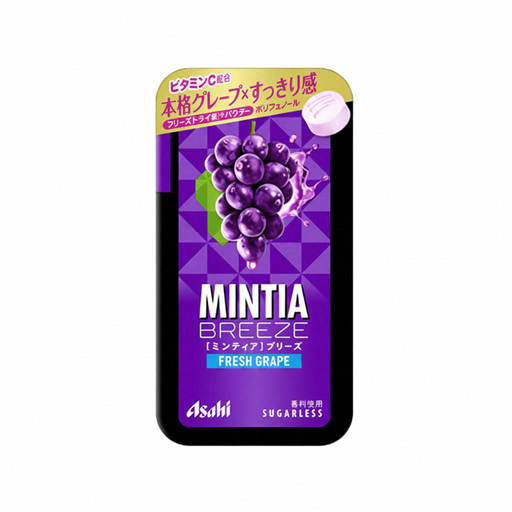
These two sugar-free mint listings offer a 22g case and a 35g tin for carrying. Compare their pack details and current labels with your intended amount, rather than treating either format as automatically suitable for diabetes management.
 No image available
The 35g tin is listed with 50 peppermint mints for carrying. The listing gives carbohydrate, sugars and polyols per 100g, rather than per mint. Its promotional wording mentions xylitol, while its ingredients list names sorbitol, aspartame, sucralose and acesulfame K: check the current pack’s sweeteners and nutrition before relying on the listing for your intended amount. The description also warns of a choking risk for young children.
 No image available
The 22g grape-flavoured mints come in a slim case for carrying. The listed ingredients include sorbitol, aspartame and acesulfame K. If you count carbohydrates, check the current pack for total carbohydrate and serving information before deciding how your intended amount fits your plan.
No. Diabetes UK advises checking total carbohydrate on the back label rather than only the sugars line. It also explains that polyols contain carbohydrate; if you adjust insulin, use individual advice when deciding how to account for them.
Compare pack weight for carrying, then check carbohydrate on a like-for-like basis and consider how many mints you will eat. Tesco lists Trebor Mighties at 12.5g with 97g available carbohydrate per 100g; Marks & Spencer lists its 18g Curiously Strong pack with 97.3g carbohydrate per 100g. Neither pack weight defines a personal portion.
Do not rely on sugar-free breath mints for hypo treatment. NHS guidance for low blood sugar identifies fast-acting carbohydrate options, including glucose or dextrose tablets; keep the treatment specified in your diabetes-care plan separately from your mints.
Check the named sweetener and the warning on the current pack. Waitrose warns that excessive consumption of Polo Sugar Free Mints may produce laxative effects; that warning does not mean everyone will experience them.
Do not assume that a mint is suitable for a child because it is small or sugar-free. Check the individual pack: Waitrose warns that children under four could choke on small Polo sweets because of their limited chewing ability.