For breath freshening, a sugar-free pressed mint is the more relevant format than dark chocolate mint, but check total carbohydrate as well as sugars for the amount you plan to eat. If you want chocolate, compare the portion and the nutrition panel rather than relying on “dark”: the Lindt, Green & Black’s and Waitrose dark mint examples listed by Waitrose & Partners contain 47–53.1g sugars per 100g.
Who is each type of mint for?
People choosing an everyday breath mint
A pressed mint fits a breath-freshening purchase. If you also keep track of carbohydrate, compare the sugars and total carbohydrate for the number of mints you expect to have; a sugar-free description answers only part of that question.
People who want dark chocolate mint
Choose this format for the chocolate-mint flavour, then judge the particular bar or thin by its nutrition panel. Waitrose & Partners lists 47–53.1g sugars per 100g across its Green & Black’s, Lindt and Waitrose examples, despite their dark chocolate descriptions.
People who count carbohydrate when planning insulin
The carbohydrate figure for the amount eaten matters more than a sugar-free claim alone. Diabetes UK notes that polyol sweeteners contain carbohydrate and that how to account for them can require individual advice from your healthcare team.
What should you compare on the label?
Decide whether you want a pressed breath mint or a chocolate-mint confection, then compare like-for-like figures per 100g and check the amount you intend to eat.
| Priority | What to check | Your needs |
|---|
| Total carbohydrate |
Find total carbohydrate per 100g and any stated portion. Use the figures for the amount you plan to eat rather than assuming the pack’s serving size matches it. |
If I count carbohydrate, I need a figure for my actual portion, not just the sugars shown on the front of the pack. Diabetes UK explains that back-of-pack per-100g figures help compare similar foods. |
| Sugar-free sweeteners |
Read the sugars, carbohydrate and ingredients together. Tesco Groceries lists 0g sugars but 97g available carbohydrate and 97g total sugar alcohols per 100g for Trebor Mighties. |
A sugar-free pressed mint may suit my breath-freshening choice, but I do not want to mistake it for a carbohydrate-free one. Diabetes UK notes that polyols contain carbohydrate. |
| Dark chocolate |
Compare sugars and total carbohydrate per 100g rather than using cocoa percentage as a sugar measure. Waitrose & Partners lists 47% cocoa solids and 49g sugars per 100g for Lindt Excellence Dark Mint. |
When I want chocolate-mint flavour, I need to judge the specific product and portion; “dark” alone does not tell me its sugars or carbohydrate. |
| Portion information |
Look for per-piece values where available and compare them with the per-100g panel. Waitrose & Partners lists 3.2g carbohydrate and 3.0g sugars per Mint Thin. |
For a chocolate-mint treat, knowing the amount in one piece helps me plan how many I intend to have. |
Which assumptions can lead you astray?
-
Assuming “dark” means low in sugars
The dark mint products listed by Waitrose & Partners differ in format and cocoa content, yet its Green & Black’s, Lindt and Waitrose examples list 47–53.1g sugars per 100g. The word “dark” cannot stand in for the nutrition panel.
Compare carbohydrate and sugars on the same per-100g basis, then consider the amount of chocolate you expect to eat.
-
Treating sugar-free as carbohydrate-free
Low or zero labelled sugars do not establish zero carbohydrate. Tesco Groceries lists 0.1g sugars and 4.3g carbohydrate per three Polo Sugar Free Extra Strong mints; its Trebor Mighties listing gives 0g sugars and 97g available carbohydrate per 100g.
Check the carbohydrate figure and ingredients alongside sugars. If you adjust insulin for carbohydrate, follow your individual healthcare guidance on polyols.
-
Planning around a portion you would not eat
A per-100g comparison helps distinguish products, while a per-piece figure helps assess a planned amount. Waitrose & Partners lists both types of information for its Mint Thins.
Decide how many pieces or mints you expect to have, and use the corresponding nutrition information where the pack provides it.
What do these brand examples show?
These particular products illustrate why the format and the nutrition panel matter more to this choice than a brand name alone.
Polo
Polo Sugar Free Extra Strong is a pressed-mint example for breath freshening, rather than a dark chocolate mint.
- Tesco Groceries lists 0.1g sugars per three mints.
- The same three-mint serving lists 4.3g carbohydrate; sugar-free does not mean carbohydrate-free.
Trebor
Mighties Extra Strong Sugar Free Mints offer another pressed-mint format.
- Tesco Groceries lists 0g total sugars per 100g for this product.
- It also lists 97g available carbohydrate and 97g total sugar alcohols per 100g. Check the pack for information relevant to the amount you plan to have.
Lindt
Excellence Dark Mint is a chocolate bar for someone seeking chocolate-mint flavour rather than a pressed breath mint.
- Waitrose & Partners describes it as dark chocolate with at least 47% cocoa solids.
- Its listed nutrition is 51g carbohydrate and 49g sugars per 100g; cocoa content does not establish a low-sugar choice.
Green & Black’s
Smooth Dark Chocolate Mint is a dark chocolate bar with mint oil.
- Waitrose & Partners lists 50% cocoa solids for this bar.
- It also lists 51g carbohydrate and 47g sugars per 100g. Check the intended portion as well as the cocoa description.
Waitrose
Mint Thins provide a per-piece figure for a dark chocolate mint confection.
- Waitrose & Partners lists 3.2g carbohydrate and 3.0g sugars per thin.
- The product also lists 53.1g sugars per 100g; an individual piece is not a reason to disregard the amount eaten.
Joybuy sugar-free mint option
This pressed spearmint option is relevant if you want a sugar-free breath mint rather than a dark chocolate mint. Check the pack’s carbohydrate and portion information when deciding how many to have.
 No image available
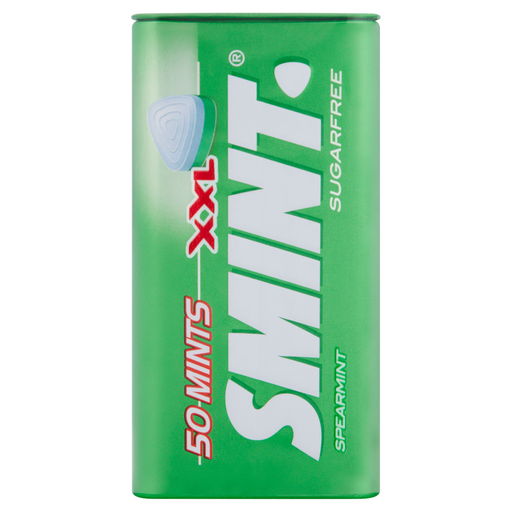
Smint Sugarfree Spearmint Tin XXL
A sugar-free spearmint in a tin for someone choosing a pressed breath mint instead of a chocolate-mint treat. Before planning a portion, check the pack for total carbohydrate and the amount per mint; do not use the sugar-free name as a carbohydrate figure.
View on Joybuy
Questions about choosing mints
Are dark chocolate mints automatically suitable if I have diabetes?
No: “dark” does not tell you the carbohydrate or sugars in the amount you will eat. Waitrose & Partners lists 47g, 49g and 53.1g sugars per 100g respectively for its Green & Black’s Smooth Dark Chocolate Mint, Lindt Excellence Dark Mint and Waitrose Mint Thins examples. Compare the particular product’s nutrition panel and your intended portion.
Does sugar-free mean I can ignore the carbohydrate in pressed mints?
No. Sugar-free mints can contain polyols such as sorbitol, and Diabetes UK notes that polyols contain carbohydrate. Check the product’s carbohydrate figure for the amount you intend to have; if you adjust insulin for carbohydrate, use your individual healthcare team’s guidance on accounting for polyols.
Which figures should I compare on a mint label?
Compare total carbohydrate and “of which sugars” per 100g, then check any per-piece or per-serving figures against the amount you expect to eat. Diabetes UK explains that back-of-pack per-100g information helps compare similar products; Waitrose & Partners also provides per-thin values for its Mint Thins.


