People managing diabetes who want an occasional mint
A sugar-free claim is only part of the picture. Check the stated serving, carbohydrate, sugars and sweeteners to decide how the mint fits your usual approach to food.


Choose a sugar-free mint by checking its carbohydrate per serving and ingredients, not just the claim on the front of the pack. Diabetes UK notes that polyols such as sorbitol still contain carbohydrate and calories; if you count carbohydrate to adjust insulin, ask your diabetes healthcare team how to account for the particular product. Pack format and any warning about excessive consumption also matter when deciding how you will use the mints.
A sugar-free claim is only part of the picture. Check the stated serving, carbohydrate, sugars and sweeteners to decide how the mint fits your usual approach to food.
Diabetes UK notes that polyols contain carbohydrate and calories, even though their effect on blood glucose differs from sucrose. Ask your diabetes healthcare team how to account for a particular mint when adjusting insulin.
Look for polyols in the ingredients and read any warning about excessive consumption. Tesco’s Smint XXL listing, for example, carries a laxative-effect warning.
Start with the amount you expect to eat, then compare the nutrition panel, sweeteners and pack format for that use.
| Priority | What to check | Your needs |
|---|---|---|
| Carbohydrate per serving | Read carbohydrate and sugars together; check the stated serving against the number of mints you expect to eat. Tesco lists 4.3g carbohydrate and less than 0.5g sugars per three Polo Sugar Free mints. | I want to account for the portion I will actually have, rather than treating “sugar free” as “carbohydrate free”. |
| Sweetener ingredients | Check the current ingredients for polyols such as sorbitol. If you have phenylketonuria (PKU), check for aspartame: the NHS says it is not suitable for people with PKU. | A particular ingredient matters to me, so the wording on the front of the pack is not enough. |
| Amount eaten | Read any on-pack warning about excessive consumption. Tesco lists 97g polyols per 100g and a laxative-effect warning for Smint XXL Sweet Mint. | I may reach for mints repeatedly during the day and want to keep track of how many I have. |
| Pack format | Compare a roll, tin or small pack with where you will keep it. Check the portion information on the specific product rather than assuming equal-sized mints or servings. | For occasional use, I would choose a format that is convenient to carry and easy for me to portion. |
Polyols still contain carbohydrate and calories, according to Diabetes UK. Tesco’s panel for Polo Sugar Free mints lists 4.3g carbohydrate per three mints.
Compare the carbohydrate, sugars, serving size and ingredients together. If you adjust insulin according to carbohydrate intake, discuss the particular product with your diabetes healthcare team.
Tesco’s Smint XXL listing carries a warning that excessive consumption may produce laxative effects. How often you take a mint matters as well as its sugar-free label.
Read the warning on the pack and keep track of how many mints you have.
Tesco lists sorbitol for Polo Sugar Free mints, and sorbitol with sucralose for Trebor Mighties. A shared sugar-free claim does not establish a shared ingredient list.
Read the ingredients on the specific pack, particularly if you need to avoid a sweetener. The NHS advises people with PKU to avoid aspartame.
Ingredients and nutrition information can change, so a previous listing may not describe the pack you receive.
Check the current pack for its serving size, nutrition, ingredients and warnings before using it to make a comparison.
These examples show why the label on a particular mint matters more than its brand name alone.
Polo Sugar Free Mints Roll is a roll-format option for occasional mints.
Smint XXL Sweet Mint is a tin-format sugar-free mint.
Trebor Mighties is an extra-strong, sugar-free mint in a 12.5g pack.
These Smint and Asahi Mintia options offer different flavours and pack sizes for occasional mint use. Check each current pack’s ingredients and nutrition before deciding how it fits your needs.
 No image available
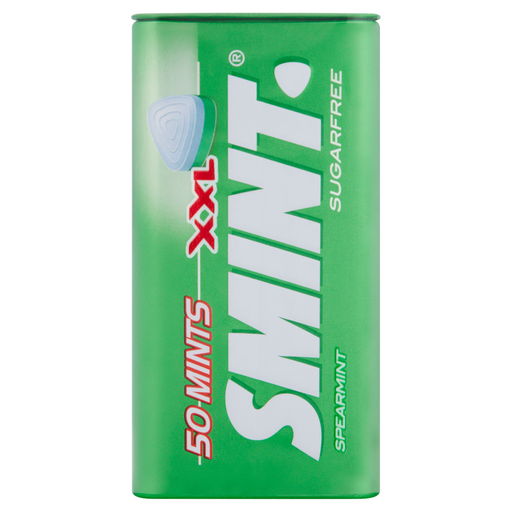
The XXL tin format may suit someone who wants to keep spearmint mints at a desk or in a bag. Check the current pack for carbohydrate per portion and its sweeteners, especially if you need to avoid aspartame.
 No image available
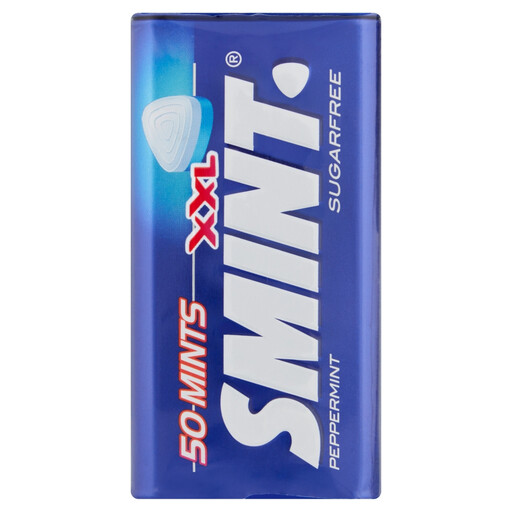
This 35g peppermint option may suit a preference for that flavour. Read its current sweetener list and carbohydrate per portion rather than assuming its formula matches another Smint mint.
 No image available
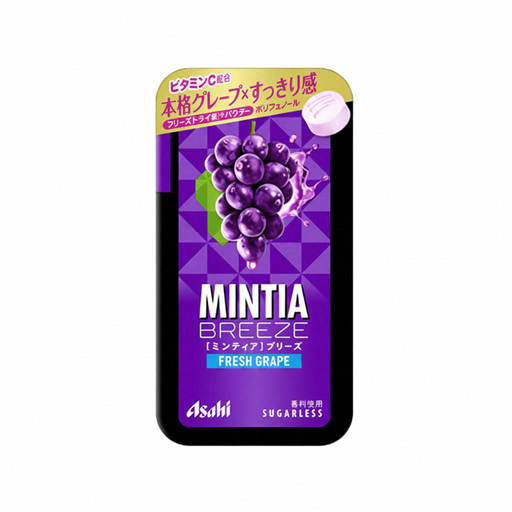
This 22g grape-flavoured option is for shoppers considering a smaller pack. Check the current nutrition panel for carbohydrate per serving and the ingredients for sweeteners; checking for aspartame is particularly important if you have PKU.
 No image available
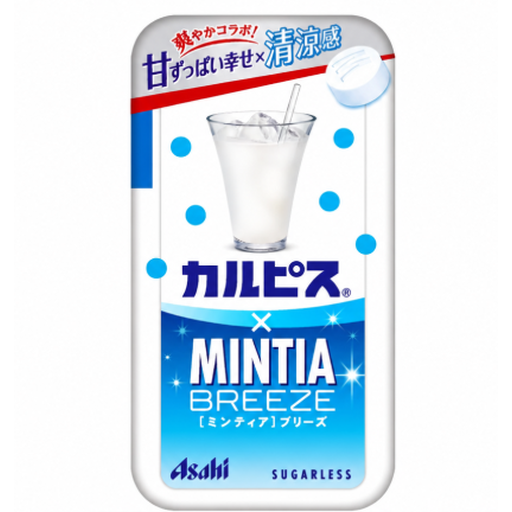
This 22g Calpis-flavoured option offers another small-pack choice. Compare its current ingredients and carbohydrate per serving with any other mint you are considering before relying on the sugar-free claim.
No: sugar free does not mean carbohydrate free. Diabetes UK explains that polyols contain carbohydrate and calories, so check the ingredients and carbohydrate for the portion you expect to eat. If you adjust insulin based on carbohydrate intake, ask your diabetes healthcare team how to account for the particular product.
The warning concerns excessive consumption of polyols, not the sugar-free claim itself. Tesco lists 97g polyols per 100g for Smint XXL Sweet Mint and warns that excessive consumption may produce laxative effects; read the warning on the pack you choose.
Yes, particularly if you have phenylketonuria (PKU): the NHS says aspartame is not suitable for people with PKU. Check the current ingredients of the specific mint rather than assuming all sugar-free products use the same sweetener.
An online panel can help you compare stated servings and ingredients, but check the current pack before using those figures for a buying decision. Ingredients and nutrition information can change.