Choose sugar-free mints for occasional breath freshening, not as the main snack when someone is hungry. For a child, check the exact pack’s age guidance and keep portions supervised; for anyone using them, check the sweeteners and consumption warnings, particularly if the intended user has phenylketonuria (PKU).
Who is choosing the mints?
Parents packing occasional treats
Check a child’s age against the exact product label before adding mints to a snack bag. Tesco lists a lower age limit of 4 years and a serving of three mints for its Polo Sugar Free Mints Roll; that guidance does not automatically apply to other mints.
Adults and older teens carrying mints
A portable pack may suit occasional breath freshening after food or while out. A larger tin is still a supply of sweets: read its sweetener and consumption statements rather than treating it as an open-ended snack.
People checking sweeteners for PKU
Read the ingredients on the exact variant. The NHS says aspartame is unsuitable for people with PKU, and Sainsbury’s lists aspartame and a phenylalanine statement for Smint XXL Spearmint.
What should you check before buying?
Decide whether you need a small occasional sweet or food for hunger, then compare the exact packs on portions, ingredients and safety statements.
| Priority | What to check | Your needs |
|---|
| Sugar content |
Confirm the exact variant is labelled sugar-free and compare sugars using the same serving basis. Tesco lists less than 0.5 g sugars per three Polo Sugar Free mints, versus 4.3 g per three mints for its Polo Original multipack. |
I’m replacing a sugared mint, so I want to compare the mints I would actually serve rather than two unlike pack sizes. |
| Age and portions |
Check the pack’s lower age guidance, serving information and any choking warning. Tesco gives a lower age limit of 4 years and a three-mint serving for the Polo Sugar Free roll. |
For a child’s snack bag, I need a product whose age guidance fits and a quantity I can supervise. |
| Sweetener warnings |
Read the named sweeteners and consumption statement. Sainsbury’s lists an excessive-consumption laxative-effect warning for Smint XXL Spearmint and for Ricola Sugar Free Lemon Mint Drops. |
If the pack will be available throughout an outing, I want to avoid treating repeated mint eating as unrestricted. |
| PKU suitability |
Look for aspartame and a phenylalanine statement on the exact pack. The NHS says aspartame is unsuitable for people with PKU; Sainsbury’s lists it in Smint XXL Spearmint. |
Someone with PKU will use these mints, so I cannot choose by the words “sugar-free” alone. |
| Snack purpose |
Choose a mint format for occasional use, not in place of food when someone is hungry. Healthier Together NHS advises keeping sugary foods and drinks to mealtimes. |
If we need something substantial between half-term activities, I’ll pack food rather than rely on mints. |
What is easy to overlook?
-
Treating “sugar-free” as permission to eat mints throughout the day
Some products carry consumption warnings. Sainsbury’s lists a laxative-effect warning for both Smint XXL Spearmint and Ricola Sugar Free Lemon Mint Drops; the Ricola statement gives 10 sweets in 1–2 hours as an example of excessive consumption.
Read the warning on the pack you buy and portion mints for the outing rather than leaving a large supply available for continual use.
-
Assuming every sugar-free mint suits every child
Tesco gives its Polo Sugar Free roll a lower age limit of 4 years. Separately, a sugar-free formulation can contain aspartame, which the NHS says is unsuitable for people with PKU.
Check the intended user against the exact variant’s age guidance, ingredient list and safety statements.
-
Choosing by brand or pack size instead of the variant
Tesco lists 4.3 g sugars per three mints for its Polo Original multipack and less than 0.5 g per three mints for its Polo Sugar Free roll. The similar format does not mean the two have the same sugar content.
Confirm the variant name and compare nutrition figures on the same serving basis.
Which brand examples illustrate the choices?
These product-line examples show why the exact variant and its label matter more than the brand name alone.
Polo
Tesco lists a 33.4 g Polo Sugar Free Mints Roll with a three-mint serving and a lower age limit of 4 years.
- The listed sugar-free roll has less than 0.5 g sugars per three mints.
- It contains sorbitol and remains an occasional sweet rather than a substantial snack.
Trebor
Tesco lists Trebor Mighties Extra Strong Sugar Free Mints in a 12.5 g pack.
- The listed ingredients name sorbitol and sucralose as sweeteners.
- The product listing warns that its closure flap may detach and pose a choking hazard.
Smint
Sainsbury’s lists Smint XXL Spearmint as 50 sugar-free mints in a tin.
- The tin format offers a portable alternative to a small roll.
- This variant lists aspartame, a phenylalanine statement and an excessive-consumption laxative-effect warning.
Ricola
Sainsbury’s lists Ricola Sugar Free Lemon Mint Drops as a lemon-and-herb alternative to a conventional peppermint mint.
- The listed variant offers a different flavour profile for shoppers who prefer a herbal drop.
- Its excessive-consumption warning gives 10 sweets in 1–2 hours as an example.
Joybuy sugar-free mint options
These are portable sugar-free mint options for occasional use on outings, rather than portioned food snacks for children.
 No image available
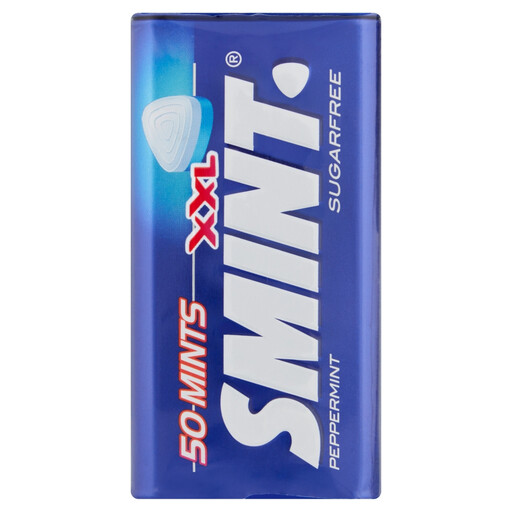
Smint Peppermint Sugar Free Mints 35g
A peppermint mint for occasional breath freshening, not a substantial snack. The Joybuy product listing names sorbitol and aspartame; the NHS says aspartame is unsuitable for people with PKU. Product information also warns against use by young children because of choking risk, so check the current pack’s age and portion guidance before sharing.
View on Joybuy
 No image available
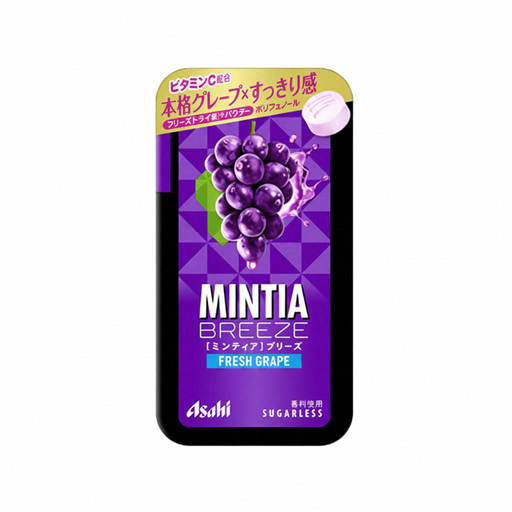
Asahi Mintia Sugar-Free Refreshing Grape Mints 22g
A grape-flavoured mint option for carrying on outings, rather than a snack for hunger. Product information lists aspartame, which the NHS says is unsuitable for people with PKU, and warns against use by young children because of choking risk. Check the current pack for its age guidance and portions.
View on Joybuy
Questions about half-term mints
Can sugar-free mints replace a snack when a child is hungry?
No. Keep mints as occasional sweets for their flavour or breath-freshening role, and pack food if the child needs something substantial between activities.
Can any child have a sugar-free mint in their snack bag?
Check the exact pack before giving mints to a child. Tesco lists a lower age limit of 4 years for its Polo Sugar Free Mints Roll; that does not establish an age limit for other products. Follow any choking warning and supervise use.
Why do some sugar-free mints have a laxative-effect warning?
Some contain polyol sweeteners and warn about excessive consumption. Sainsbury’s lists this warning for Smint XXL Spearmint and Ricola Sugar Free Lemon Mint Drops; the Ricola statement gives 10 sweets in 1–2 hours as an example. Follow the statement on the particular pack rather than applying that example to every mint.
Are all sugar-free mints suitable for someone with PKU?
No. The NHS says aspartame is unsuitable for people with PKU, and Sainsbury’s lists aspartame and a phenylalanine statement for Smint XXL Spearmint. Check the exact product’s ingredients.
Does a familiar mint brand mean the sugar content is the same across variants?
No. Tesco lists less than 0.5 g sugars per three mints for its Polo Sugar Free roll, but 4.3 g per three mints for its Polo Original multipack. Check the variant and compare the nutrition panels on the same serving basis.


