Shoppers checking fat content
If you follow a low-fat diet, compare total fat per 100 g on the mint’s nutrition label rather than using its sugar-free claim as a shortcut.


Choose sugar-free mints by checking total fat on the current pack as well as the sugar-free claim: the claim alone does not tell you whether a mint fits your low-fat diet. Then compare ingredients, allergen information and sweetener warnings for the exact product, particularly if you use mints frequently or are considering creamy mint sweets.
If you follow a low-fat diet, compare total fat per 100 g on the mint’s nutrition label rather than using its sugar-free claim as a shortcut.
If you keep mints for use after meals or while travelling, consider the pack format alongside its sweeteners and any warning about excessive consumption.
If you avoid milk, soya or a particular sweetener, or need a vegan or gluten-free product, check the declarations on the exact pack. Sugar-free does not answer those questions.
Start with the nutrition panel, then read the ingredients and warnings before deciding which mint format suits your routine.
| Priority | What to check | Your needs |
|---|---|---|
| Total fat | Compare total fat per 100 g on the current pack. In Great Britain, the nutrition-claim condition published at legislation.gov.uk permits a solid food to be described as low fat only at no more than 3 g fat per 100 g. | I’m following a low-fat diet, so I need the fat figure for the mint I’ll actually buy, not just a sugar-free label. |
| Sugars | Check the sugars figure separately from fat. Under the Great Britain sugar-free claim condition published at legislation.gov.uk, a food making that claim must contain no more than 0.5 g sugars per 100 g or 100 ml. | A sugar-free mint may suit my preference for that claim, but I still need to check its total fat. |
| Ingredients and warnings | Read the sweetener and allergen information and any excessive-consumption warning. Waitrose & Partners lists cream, butter and soya lecithin in its sugar-free Sulá Mint Humbugs, along with a laxative-effect warning for excessive consumption. | For frequent use or ingredient exclusions, I want a recipe and pack warnings I can assess before choosing a tin, roll or larger pack. |
The claims concern different nutrients. A sugar-free sweet can contain ingredients such as cream or butter, so its name cannot establish its total fat content.
Read total fat per 100 g on the exact pack. In Great Britain, legislation.gov.uk sets the low-fat claim condition for solid foods at no more than 3 g fat per 100 g.
Sugar-free does not mean there are no directions or warnings to consider. Waitrose & Partners lists a warning that excessive consumption of Sulá Mint Humbugs may produce laxative effects.
Check the sweeteners and warning text on the product you choose, especially if you plan to use mints often.
Waitrose & Partners lists cream, butter and soya lecithin in Sulá Mint Humbugs, while its Peppersmith Peppermint listing declares the product vegan and gluten-free.
Check ingredients, allergens and dietary declarations for the exact variant rather than transferring a claim from another mint.
These listings illustrate different mint recipes and formats; a brand name or retailer category is not a substitute for the current pack label.
Waitrose & Partners describes Polo Sugar Free Mints as pressed mints made with peppermint oil.
Sainsbury’s lists Trebor Mighties Sugar-Free Mints as a strong-mint option.
M&S describes its Sugar Free Curiously Strong Mints as extra-strong mints containing sweeteners.
Tesco’s sugar-free mints category lists Polo Sugar Free Mint tube multipacks and rolls.
Sainsbury’s lists Trebor Mighties Sugar-Free Mints.
Waitrose & Partners lists pressed sugar-free mints alongside mint sweets with different ingredient declarations.
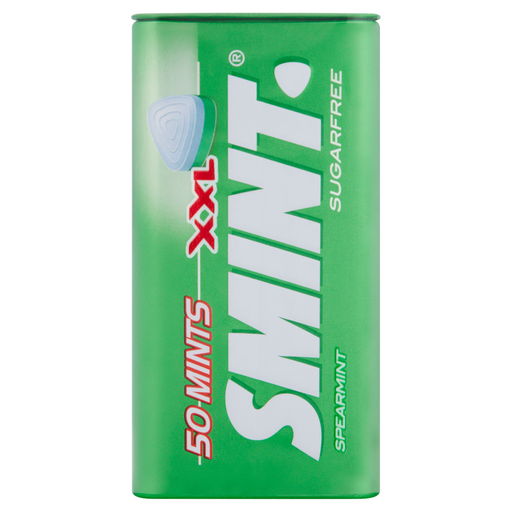
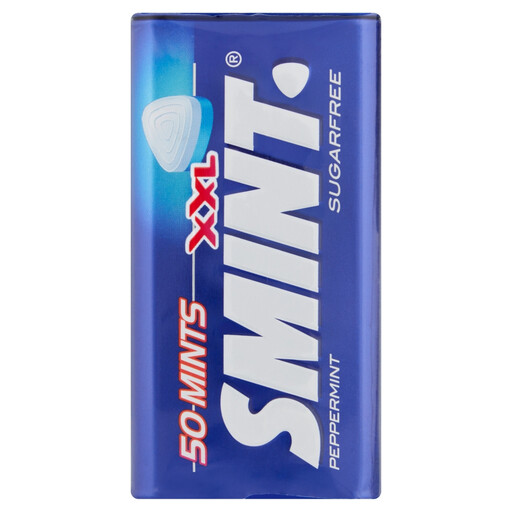
These Smint tins are options for pocket or travel use. Compare the listed nutrition figures with each current pack before deciding whether either fits your low-fat diet.
 No image available
The resealable tin is a format to consider for carrying mints or keeping them at a desk. The Joybuy listing reports 0.5 g fat and 0 g sugars per 100 g; check both figures on the current pack. Its listed ingredients include aspartame, so also check the pack’s ingredients and any applicable warning.
 No image available
This peppermint mint tin is another option for carrying without chewing. The Joybuy listing reports 0.3 g fat and 0 g sugars per 100 g; confirm those figures on the current pack. Its promotional description and ingredient list differ on sweeteners, so use the pack to check the actual ingredients and any applicable warning.
No. In Great Britain, legislation.gov.uk sets separate nutrition-claim conditions: sugar-free means no more than 0.5 g sugars per 100 g or 100 ml, while a solid food claiming to be low fat must contain no more than 3 g fat per 100 g. Check the mint’s total-fat figure on its current pack.
Yes. Waitrose & Partners lists cream, butter and soya lecithin in its sugar-free Sulá Mint Humbugs. If you avoid these ingredients, check the current ingredient and allergen information for the exact product.
Some products carry a laxative-effect warning. Waitrose & Partners lists one for Sulá Mint Humbugs, which contain the sweetener isomalt. Read and follow the warning on the pack you choose.
Choose the format that suits how you carry and use mints, but decide whether the product fits your diet from its own total-fat figure, ingredients and warnings. A roll or tin does not establish fat content.