Older adults who can manage mints
For guests who can safely suck or crunch a mint after tea or coffee, sweetener type, flavour and pack format help distinguish the options.


Put out sugar-free mints only for guests who can manage their texture; if someone follows prescribed texture guidance, check what their speech and language therapist has advised rather than offering an ordinary hard mint. For other guests, choose by the current pack’s sweeteners, allergen information and warnings as well as flavour and pack size: a sugar-free label alone does not settle those questions.
Start with the people being served, not the word “sugar-free” on the front of the pack.
For guests who can safely suck or crunch a mint after tea or coffee, sweetener type, flavour and pack format help distinguish the options.
For a shared tea table, check guests’ texture guidance, allergies and ingredient requirements before setting out hard sweets. Keep the packaging available so people can read it.
Someone seeking a xylitol-only mint or avoiding aspartame needs the ingredients of the exact product. Sugar-free mints use different sweeteners, so the product name is not enough.
Check whether the mint’s texture is appropriate for each guest, then compare the label and pack format for those who can have it.
| Priority | What to check | Your needs |
|---|---|---|
| Texture | Check whether the mint is hard, pressed or crunchy. For a guest following texture guidance, follow their speech and language therapist’s individual advice; Kent Community Health NHS Foundation Trust identifies hard and crunchy foods as potentially difficult textures for people with dysphagia. | Someone at my table has swallowing difficulties or has been advised to avoid certain textures, so I need to confirm what they can be offered. |
| Sugar label | Read the sugar-free claim and the sugars figure with its serving basis. Sainsbury’s lists 0.1g sugars per three Polo Sugar Free Extra Strong mints; that figure describes that product and serving, not every sugar-free mint. | I’m looking for a sugar-free sweet to put beside tea, without assuming the claim answers every ingredient or dietary question. |
| Sweeteners | Identify the sweeteners on the current pack, including any polyols or aspartame, and read the accompanying warnings. Check the exact formulation if a particular sweetener matters. | A guest avoids aspartame, wants a xylitol-only product or needs to consider a pack’s polyol warning. |
| Allergens | Read the ingredients and precautionary allergen information. Waitrose & Partners lists cream, butter and soya lecithin in Sulá Mint Humbugs, with a warning that they may contain barley/gluten. | I’m serving several people and want each guest to be able to check whether a mint suits their ingredient requirements. |
| Flavour and pack | Compare peppermint, spearmint and other stated flavours, then choose a small pack, tubes or a tin to suit how the mints will be offered. Check the pack itself before sharing its contents. | For a small household tea, a compact pack may be enough; for repeated hosting, I may prefer a format that is easier to put out in portions. |
Mints labelled sugar-free can differ in sweeteners, allergens and texture. The claim does not establish whether a particular guest can have the product.
Read the current pack’s ingredients and warnings, and check any individual texture guidance before serving.
Kent Community Health NHS Foundation Trust identifies hard and crunchy foods as potentially difficult textures for people with dysphagia. Its guidance says a speech and language therapist should advise whether such foods need to be avoided or eaten with extra care.
Offer that guest only food and drink consistent with their individual guidance; do not substitute an ordinary hard mint because it is sugar-free.
Waitrose & Partners lists cream, butter and soya lecithin in Sulá Mint Humbugs and says they may contain barley/gluten. A sugar-free or vegetarian description does not remove those ingredient considerations.
Keep the pack available at a mixed table and check the relevant ingredients with guests before offering the sweets.
A flavour or sugar-free title does not identify every sweetener or warning. The Waitrose & Partners Smint XXL Peppermint listing refers to xylitol separately, while its displayed ingredient list names other sweeteners.
If the sweetener formulation matters, confirm it on the physical pack before purchase or serving.
These examples show how particular product lines differ; check the exact variant and current pack rather than applying one listing to everything a brand makes.
The Sugar Free Extra Strong four-tube multipack is a pressed-mint format for hosts considering portions across several tea occasions.
The listed Peppermint product is a small-pack option for someone seeking a particular sweetener formulation.
Sugar Free Curiously Strong Mints are an 18g peppermint option for a small tea setting.
Mint Humbugs offer a creamy, traditional-style alternative to a pressed mint.
The Waitrose & Partners XXL Peppermint listing describes a larger mint in a tin format.
These grape, peppermint, spearmint and Calpis-flavour options offer different flavours and pack formats for guests who can have mints. Check each physical pack’s ingredients, warnings and texture before putting it out at afternoon tea.
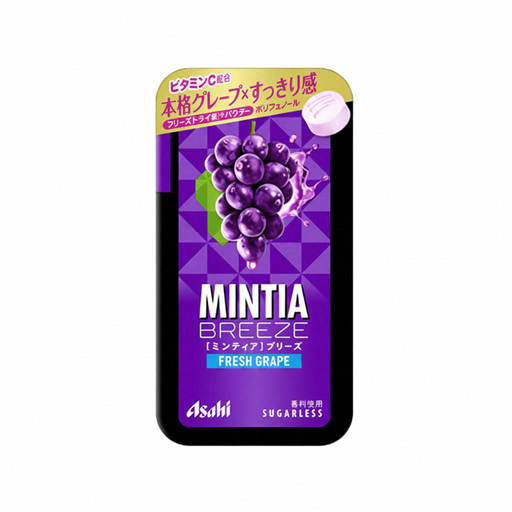 Image unavailable
A 22g grape-flavour option when a small pack suits the tea setting. Check the current pack’s sweeteners and warnings, and confirm that the mint’s texture is appropriate for each guest.
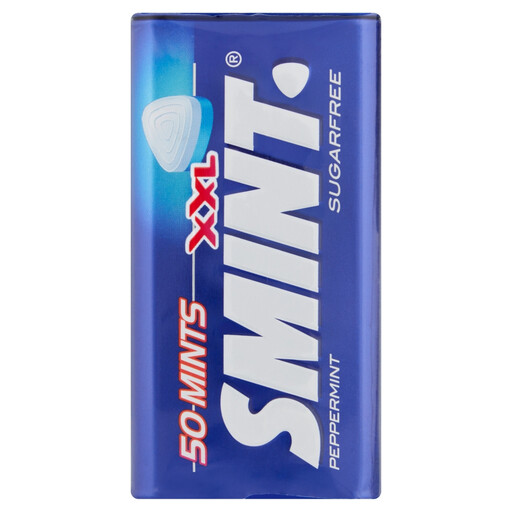 Image unavailable
A 35g peppermint option for guests who prefer that flavour. If the choice depends on a particular sweetener, check the physical pack’s ingredient list and warnings before buying; confirm texture suitability before serving.
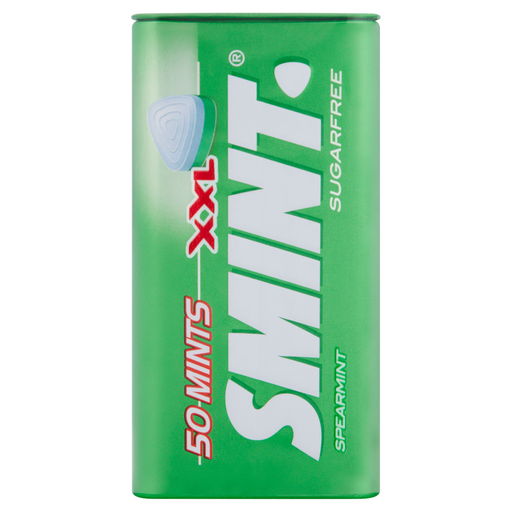 Image unavailable
A spearmint option in an XXL tin for setting mints out at tea. Check the current pack’s sweeteners, warnings and serving guidance, and confirm that each guest can manage the mint’s texture.
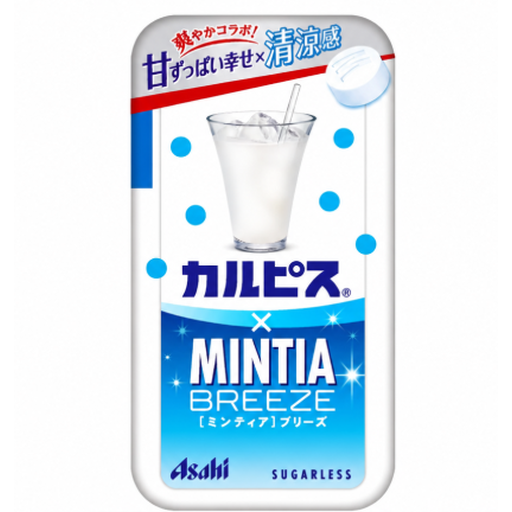 Image unavailable
A 22g Calpis-flavour option when a small pack suits the occasion. Read the pack for ingredients, sweeteners and warnings, and establish whether its texture suits the person being served.
No. Check the ingredients, warnings and each guest’s ability to manage the texture. The NHS notes that lower- or no-calorie sweeteners do not automatically make a food healthy.
Follow that person’s individual texture guidance rather than offering a hard mint without confirmation. Kent Community Health NHS Foundation Trust identifies hard and crunchy foods as potentially difficult for people with dysphagia and says a speech and language therapist should advise whether they must be avoided or eaten with extra care.
Read the ingredients and any laxative-effect or phenylalanine statement on the pack. GOV.UK guidance specifies an excessive-consumption laxative-effect warning for foods with more than 10% added polyols and a phenylalanine statement for products containing aspartame.
No; check the sweeteners in the exact product. Waitrose & Partners lists Peppersmith Peppermint as containing no aspartame, whereas its Smint XXL Peppermint listing names aspartame. The NHS says aspartame is not suitable for people with phenylketonuria because it contains phenylalanine.
Read the actual pack’s ingredients, allergen information, warnings, date and storage instructions before serving, and retain it for guests who need to check it. Do not rely on a product title alone when a particular ingredient matters.