Home bakers changing a biscuit recipe
If your aim is to change the sugar in the biscuits, look for a recipe written for your chosen baking sweetener rather than treating a confectionery mint as measured caster sugar.


Buy sugar-free mints to eat or serve separately from biscuits, not as a direct replacement for caster sugar in the dough. If you want to change the biscuits themselves, choose a recipe developed for the particular baking sweetener you plan to use; ready-to-eat mints have different ingredients and no established like-for-like substitution here.
If your aim is to change the sugar in the biscuits, look for a recipe written for your chosen baking sweetener rather than treating a confectionery mint as measured caster sugar.
If the biscuit recipe stays as it is, a sugar-free mint can be a separate sweet to offer afterwards or put on the table. Its label describes the mint, not the biscuits.
When sharing mints with guests, compare the exact pack for sweeteners, dairy and soya ingredients, gluten-related declarations and dietary suitability.
Decide whether the mint is for eating separately or whether you want to alter the dough. Then check the ingredients and directions for the product you will actually use.
| Priority | What to check | Your needs |
|---|---|---|
| Role in the recipe | Check whether the product is a ready-to-eat mint or a sweetener intended for baking. For a change to the dough, follow quantities in a recipe developed for that sweetener. | I want to change the biscuits themselves, rather than serve a different sweet alongside them. |
| Sweetener ingredients | Read the ingredient list: the mint products described by Tesco and Waitrose use different sweeteners, including sorbitol, xylitol, sucralose and isomalt. Check any consumption warning on the pack. | If the mints will be shared, I want to know which sweeteners are in the exact product. The NHS says aspartame is unsuitable for people with phenylketonuria (PKU). |
| Dietary declarations | Check the current pack for dairy, soya and gluten-related declarations, as well as any vegan claim. Waitrose lists cream, butter and soya lecithin in Sulá Mint Humbugs. | Guests may have ingredient restrictions, so a front-of-pack sugar-free claim alone does not answer whether I can serve the mints to them. |
| Biscuit ingredients | Keep the mint label separate from the biscuit recipe. Tesco Real Food’s Christmas biscuits recipe, for example, specifies 115g golden caster sugar. | I may want a sugar-free mint after baking without changing what goes into the biscuits. |
Ready-to-eat mints contain different sweeteners and other confectionery ingredients; a biscuit recipe that measures caster sugar does not establish an equivalent amount of crushed mints.
If changing the dough is the aim, use a recipe developed for a specified baking sweetener. Keep mints separate unless a recipe expressly calls for them.
The claim does not tell you which sweeteners or other ingredients a mint contains. For example, Waitrose lists dairy and soya ingredients in Sulá Mint Humbugs.
Read the ingredients and allergen declaration on the exact pack, particularly when serving someone with a dietary restriction.
Tesco’s Smint listing and Waitrose’s Sulá Mint Humbugs listing warn that excessive consumption may produce laxative effects. Smint contains aspartame, which the NHS says is unsuitable for people with PKU.
Check the sweeteners and warnings before sharing mints, especially if PKU is relevant.
Serving a sugar-free mint does not change the ingredients in a conventional biscuit recipe.
Decide whether you are changing the bake or simply offering a separate mint, and check each product on its own terms.
These examples show why ingredient checks matter when choosing mints to serve with biscuits; they do not establish how the mints would perform in dough.
Tesco lists POLO Sugar Free as a pressed mint confectionery product containing sorbitol and mint oils.
Tesco lists Trebor Mighties Extra Strong Sugar Free Mints as a 12.5g confectionery pack.
Tesco’s Smint Single 8G listing identifies a small mint product containing xylitol and aspartame.
Waitrose lists Peppersmith Peppermint as sugar-free mints made with xylitol and peppermint oil.
Waitrose lists Sulá Mint Humbugs as mint confectionery containing isomalt, cream, butter and soya lecithin.
These options cover two different purchases: baking sweeteners for a recipe written around them, followed by sugar-free mints to eat or serve separately from the biscuits. None is presented as a direct mint-for-caster-sugar substitution.
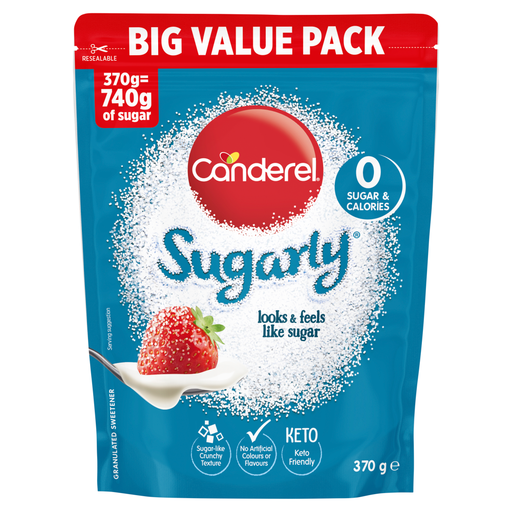 No image available
A sweetener option for changing the biscuit recipe rather than adding mints to the dough. Check the product directions and use a recipe developed for this sweetener; do not assume a caster-sugar substitution amount or a particular biscuit result. The product listing carries an excessive-consumption warning.
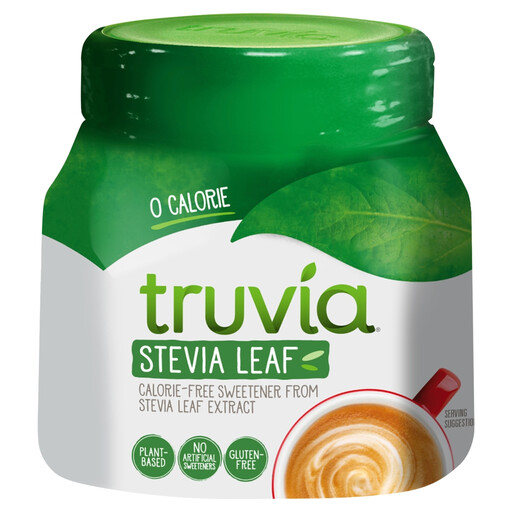 No image available
A sweetener option if the aim is to change the biscuits themselves. Follow directions and a recipe developed for this product rather than assuming a biscuit-specific substitution or result. Its listing carries an excessive-consumption warning relating to polyols.
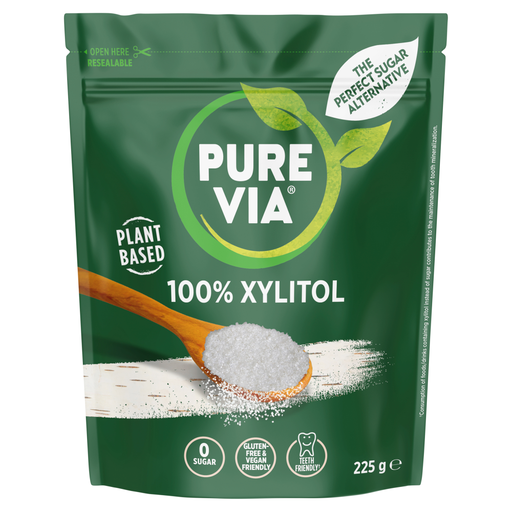 No image available
The title identifies this 225g product as 100% xylitol, rather than mint confectionery. If using it in biscuits, follow a recipe developed for xylitol and check the product directions instead of assuming it can replace a measured amount of caster sugar.
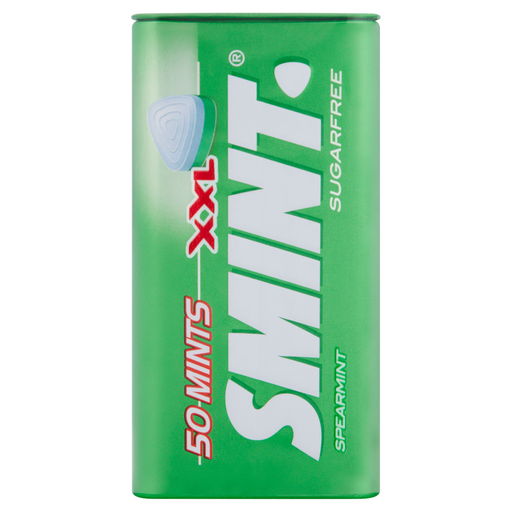 No image available
A tin of sugar-free spearmint to consider serving separately from biscuits, not as a replacement for recipe sugar. The product information identifies aspartame; the NHS says it is unsuitable for people with PKU. Check the current pack’s ingredients and allergen declaration before sharing.
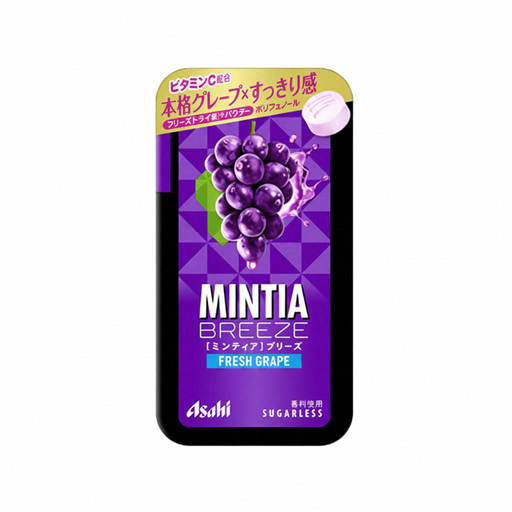 No image available
Grape-flavoured sugar-free mints to consider eating separately from the biscuits, not using in the dough. The product information identifies aspartame, which the NHS says is unsuitable for people with PKU. Check the current pack’s ingredients and allergen declaration if serving others.
Do not treat them as a like-for-like replacement. Tesco Real Food’s Christmas biscuits recipe specifies 115g golden caster sugar, while the mint listings describe ready-to-eat sweets with differing ingredients. UK Scientific Advisory Committee on Nutrition material says non-sugar sweeteners can be used in home baking, but that does not provide a mint-to-sugar substitution method; follow a recipe developed for your chosen baking sweetener.
Check the exact pack’s sweeteners, allergen declaration, dietary information and consumption warnings. Tesco lists sorbitol in POLO Sugar Free and xylitol and aspartame in Smint Single, while Waitrose lists cream, butter and soya lecithin in Sulá Mint Humbugs.
Some do. The NHS says aspartame is unsuitable for people with PKU, and the Tesco Smint Single and Waitrose Sulá Mint Humbugs listings warn that excessive consumption may produce laxative effects. Check the warning on the product you intend to serve.
No. A mint eaten separately does not change the ingredients in the biscuits. If your aim is to alter the bake, choose a recipe developed for the baking sweetener you intend to use rather than relying on the mint’s sugar-free label.