Households sharing with someone who has diabetes
If several people will take mints from the same purchase, separate tubes make it easier to give each person a portion while keeping the product label available to check.


For sharing among several people, a clearly labelled sugar-free multipack with separate tubes is easier to divide than one open bag; a tin makes more sense for occasional use in one place. Check the current ingredients and carbohydrate information rather than relying on pack size or a sugar-free claim: polyols still contain carbohydrate, and sugar-free mints are not a treatment for a hypo.
If several people will take mints from the same purchase, separate tubes make it easier to give each person a portion while keeping the product label available to check.
A sugar-free claim does not settle how a mint fits an individual plan. Diabetes UK notes that polyols contain carbohydrate and calories; anyone adjusting insulin should follow advice from their diabetes team on accounting for them.
A smaller container or divided multipack can make the amount taken easier to see. Check the pack warning: the Polo and Smint product information warns that excessive consumption may produce laxative effects.
Start with how the mints will be shared, then check the exact pack’s sugar-free claim, ingredients, nutrition information and warnings.
| Priority | What to check | Your needs |
|---|---|---|
| Sharing format | Look for separate tubes if each person needs their own supply. A tin keeps mints together; a large pack does not, by itself, establish that the mints are sugar-free. | I’m giving mints to several people, so separate tubes would make distribution clearer. For occasional use in one place, I may prefer a tin. |
| Carbohydrate and sweeteners | Read the sugar-free claim alongside the ingredient and nutrition panels, including carbohydrate and serving information. Diabetes UK notes that polyols contain carbohydrate and calories. | If I count carbohydrate or adjust insulin, I need to assess the exact mint against my own plan rather than treating “sugar free” as “carbohydrate free”. |
| Amount taken | Check the stated serving and any excessive-consumption warning. Waitrose’s Polo 4-pack and Sainsbury’s Smint listing both carry laxative-effect warnings. | An open bag would make it harder for our household to notice how many mints each person has taken. |
| Current formulation | Check the pack in hand for its sweeteners and relevant notices. Marks & Spencer says product ingredients and other label information can change. | Before sharing, I want to check that the ingredients and warnings suit the people who will use this particular pack. |
| Hypo supplies | Keep everyday sugar-free mints separate from the fast-acting sugar specified in the person’s hypo plan. NHS hypo guidance gives examples including glucose tablets and sugary drinks. | I need to be able to identify the hypo treatment quickly, without mistaking the everyday mints for it. |
Diabetes UK explains that polyols contain carbohydrate and calories, although their effect on blood glucose is lower than sucrose’s. A front-of-pack claim does not answer an individual carbohydrate-counting question.
Read the nutrition and ingredient panels. If insulin adjustment is involved, use the person’s diabetes-team advice on how to account for the product.
Some sugar-free mint packs warn that excessive consumption may produce laxative effects. With a communal open bag, the amount each person takes can be less apparent.
For household sharing, consider separate tubes or put out a limited amount from a tin, and follow the warning on the current pack.
Sugar-free mints should not replace the fast-acting sugar used for a hypo. NHS guidance names options such as glucose or dextrose tablets and sugary drinks.
Keep the treatment specified in the individual’s hypo plan separately identifiable and available.
Ingredients and warnings can change. Marks & Spencer advises checking the product label rather than relying solely on its online information.
Before buying or sharing, read the current pack for sweeteners, nutrition information and any relevant warnings.
Waitrose lists Polo Sugar Free Mints as a 4 × 33.4g pack, with separate tubes for dividing a household supply.
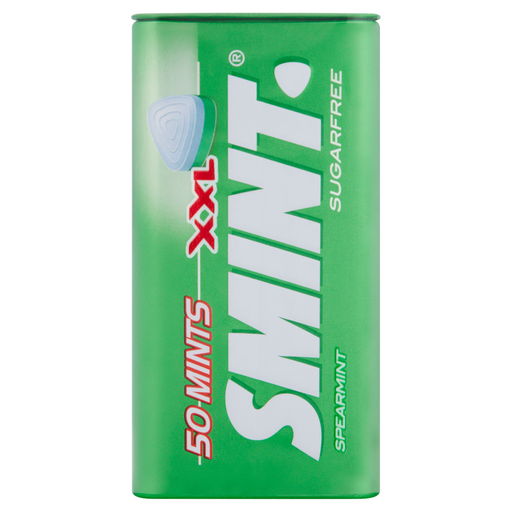
Sainsbury’s lists Smint XXL Spearmint Sugarfree Mints as a 50-mint, 35g tin for use from one container.
Sainsbury’s lists Tic Tac Two Spearmint as a 38.5g sugar-free mint product in a smaller format.
M&S Sugar Free Curiously Strong Mints are another small-format option rather than a sharing bag.
Sainsbury’s lists Trebor Extra Strong Peppermint Mints in a 145.6g pack for shoppers considering a larger format.
This tin is an option for occasional mints kept in one shared place, rather than a multipack that gives each person a separate tube.
 No image available
The tin format suits occasional use in one location, but it does not give household members separate portions. If carbohydrate tracking or ingredient restrictions matter, check the current pack’s nutrition panel and sweeteners before sharing.
No. Diabetes UK notes that polyols contain carbohydrate and calories, so the claim does not replace checking the exact product and the person’s own plan. Anyone adjusting insulin should seek individual advice from their diabetes team on accounting for polyols.
No. NHS guidance calls for something that raises blood sugar quickly during a hypo, such as glucose or dextrose tablets or a sugary drink. Keep the treatment specified in the individual’s care plan separate from everyday sugar-free mints.
If several people need their own supply, separate tubes make distribution clearer: Waitrose lists the Polo Sugar Free 4-pack as four 33.4g tubes. A tin suits occasional use in one place but does not divide the mints between people; a large bag should not be assumed sugar-free without checking its label.
The Polo and Smint product information warns that excessive consumption may produce laxative effects. Check the warning on the pack being shared and make it easy to see how many mints each person takes.
No specialist product is necessary, according to Kent Community Health NHS Foundation Trust. For an ordinary mint purchase, assess the current ingredients, nutrition information, portion format and the individual’s dietary plan instead.