
24/7 Customer Support

Free returns

Same-day & Next-day Delivery

Quality Guaranteed

Unlock Your Welcome Offers: FREE Delivery | Up to 80% OFF | Free 30-day JoyPlus trial
Download the APP
Whether you are commuting by train, heading into a meeting, travelling, going to the gym or stocking an office kitchen, sugar-free mints and chewing gum offer a convenient way to freshen your mouth after meals. However, pack design and flavour descriptions do not always tell the full story.
The right choice depends on more than whether a product says “sugar-free”. You also need to check the sweeteners, allergens, pack format, portion count and whether the product suits your dietary preferences.
Sugar-free chewing gum and mints can still contain calories, usually from polyols such as sorbitol, maltitol, mannitol or xylitol. For example, the listed nutrition for several products shows energy values per 100g, despite recording 0g of sugars.
Sugar-free means the product contains no conventional sugars within the relevant labelling definition. It does not mean unlimited consumption is appropriate. Packs may also carry a warning that excessive consumption can produce laxative effects.
A mint may be sugar-free but still contain ingredients that matter to some shoppers. Check for:
Vegetarian suitability does not automatically confirm vegan suitability. Always check the current label, especially when formulations and packaging can change.
A bottle, tin or pouch can appear generous while containing fewer individual servings than expected. Compare the number of pieces, total weight and approximate cost per piece. A compact portable mint tin may suit an individual commuter, while a multipack or bulk container can be more practical for a household, café or workplace.
Common ingredients include xylitol, sorbitol, mannitol, maltitol, aspartame, acesulfame K and sucralose. If you specifically want xylitol gum, check that xylitol appears in the ingredients rather than relying on front-of-pack wording.
Some chewing gums are labelled vegetarian, while others only provide an ingredient list. If you require vegan mints, look for an explicit vegan statement or confirm with the manufacturer.
Choose the format around your routine:
A 30-piece bottle may be sufficient for occasional use, while a 300-piece multipack is designed for regular or shared consumption.
Peppermint chewing gum and peppermint mints generally provide a sharper, cooler flavour. Spearmint gum tends to offer a softer, sweeter mint profile. Fruity chewing gum, such as tropical or strawberry-lemon varieties, may be preferable if you find traditional mint too intense.
Also consider texture. Chewing gum requires disposal after use, whereas a dissolving mint is more discreet. Hard mints should be allowed to dissolve rather than bitten, and they should be kept away from young children.
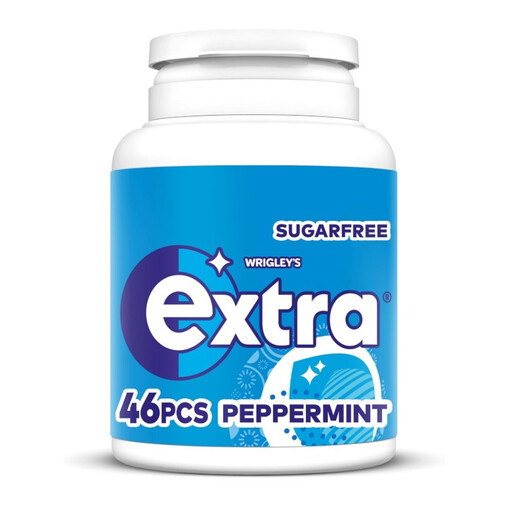
Why This Fits Their Persona: A 46-piece bottle provides a straightforward everyday option for commuters, students and office workers who want peppermint chewing gum without committing to a large multipack.
The listing clearly states 46 pieces, 0g sugars per 100g and the presence of polyols, making the portion and sweetener information easier to assess.
Peppermint flavour; bottle format; suitable for carrying in a pocket, bag or car.
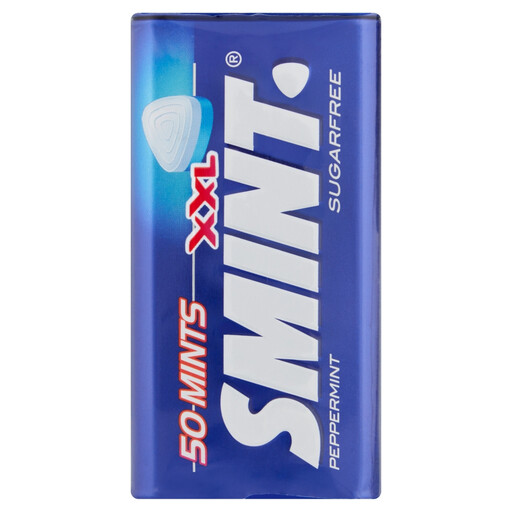
Why This Fits Their Persona: A compact peppermint mint format suits shoppers who prefer a discreet, no-chew option for meetings, travel and post-meal use.
The product is presented as sugar-free and the ingredients identify sweeteners, allowing buyers to check the formulation rather than relying only on “freshness” wording.
35g pack; peppermint flavour; convenient tin format; 0g sugars per 100g on the listed nutrition panel.
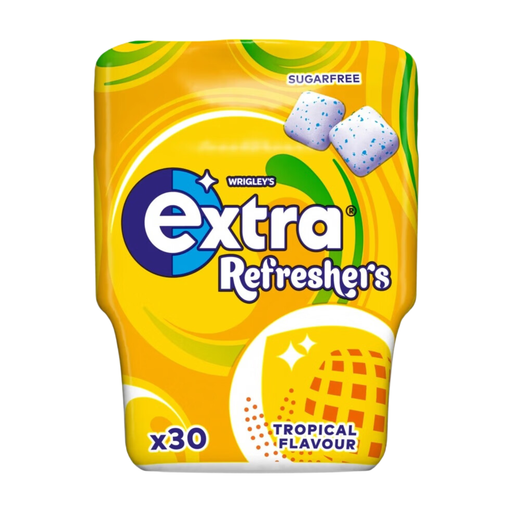
Why This Fits Their Persona: Fruity chewing gum is suited to shoppers who want a tropical flavour for journeys, afternoon breaks or sharing with friends.
The pack size is specified as 30 pieces and 67g, while the ingredient panel identifies soya and a source of phenylalanine for informed selection.
Tropical fruit flavour; sugar-free formulation; 30-piece bottle for portable use.
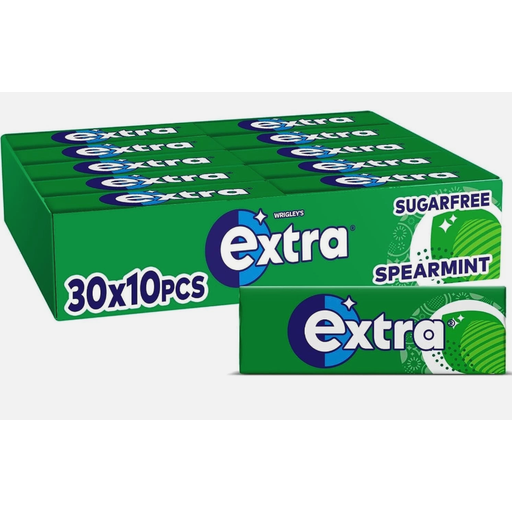
Why This Fits Their Persona: The 30-pack format, containing 300 pieces in total, is designed for households, offices, cafés and organisers who need a regular supply.
The total quantity is stated clearly, so buyers can compare the multipack with smaller bottles using pieces per pack and intended usage.
300 spearmint gum pieces; sugar-free; listed as suitable for vegetarians; individually packed in 30 smaller packs.
We have compiled a complete, real-time list of products that fully satisfy these strict selection criteria and UK safety regulations.
Not every breath freshener needs to be sugar-free gum. Asahi Mintia sugar-free mints are available in grape and Calpis-style flavours, with slim packaging for quick access. These may suit shoppers who prefer fruity mints or a small portable mint tin.
By contrast, Starlight Hard Mints 2.27kg are a conventional sugary product rather than a sugar-free option. The large format may suit a reception desk or event, but its listed nutrition shows 94.5g of sugars per 100g. It should therefore not be selected when avoiding sugar is the main requirement.
For a drink alternative, Woongjin TEAZLE Zero Calorie Sugar Free Lime & Mint Tea is listed as vegan-friendly and comes in a 500ml bottle. It is a ready-to-drink refreshment rather than a direct replacement for mints or gum.
They can be convenient for regular use, but check the pack warnings and consume in moderation. Polyols may cause digestive discomfort or laxative effects when consumed excessively. Always follow the product label.
The practical lifespan depends on the product and how it is used. A hard mint dissolves gradually, while gum is chewed and then discarded. Flavour duration varies by formulation, so avoid assuming that a larger piece automatically provides longer freshness.