Desk and commuter shoppers
If you want a mint after coffee or before a meeting, look for a pack you will carry and a peppermint or spearmint flavour that suits you. A mint is a small sweet, rather than a substantial mid-morning snack.


For a mid-morning mint, check the sugar-free claim, sweeteners and pack warnings before choosing a flavour or format. A Polo roll offers a familiar peppermint format, Peppersmith Peppermint is listed as an aspartame-free xylitol option, and a Smint tin suits those who prefer a larger mint; check the exact variant if aspartame or polyol warnings matter to you.
If you want a mint after coffee or before a meeting, look for a pack you will carry and a peppermint or spearmint flavour that suits you. A mint is a small sweet, rather than a substantial mid-morning snack.
Sugar-free mints can use different sweeteners. Read the exact product’s ingredients and warnings if you want to avoid aspartame or pay attention to polyols such as sorbitol and xylitol.
A pressed roll, a larger mint in a tin and a hard-boiled drop offer different ways to carry and use mints. Check dietary statements and age warnings on the particular pack, not just the brand name.
Start with the label and ingredients, then choose a format that fits when and where you expect to use the mints.
| Priority | What to check | Your needs |
|---|---|---|
| Sugar-free claim | Check the sugar-free wording, sugars per 100 g and ingredients on the current pack. | I’m looking for a sugar-free mint, not simply one with a peppermint flavour. |
| Sweeteners and warnings | Identify the sweeteners and read any excessive-consumption or phenylalanine warning. The NHS advises people with phenylketonuria (PKU) to avoid aspartame. | If I use mints regularly or need to avoid aspartame, the ingredients of the exact variant matter to me. |
| Size and format | Compare a roll, tin or drop pack, along with the stated pack weight and individual mint size. | A roll might fit my pocket; for a desk, I may prefer a tin. I might choose a hard-boiled drop for a different texture. |
| Mid-morning use | Choose a flavour and pack for the occasion, while keeping oral care separate from confectionery. The NHS suggests sugar-free mints after strong-smelling food or drinks but also stresses cleaning teeth, tongue and mouth. | After coffee, I want a convenient mint without treating it as a replacement for cleaning my teeth. |
Peppermint describes the flavour, not the sugars content.
Look for a sugar-free claim, then read the sugars value per 100 g and the ingredients on the pack you are buying.
Mints with a similar flavour description can have different sweeteners and warnings. The NHS says aspartame is unsuitable for people with PKU.
Check the exact variant’s ingredients and any phenylalanine or excessive-consumption warning before choosing it for frequent use.
A mint after coffee does not replace cleaning your teeth, tongue and mouth. The NHS recommends those cleaning practices when addressing bad breath.
Use a mint for the occasion, and seek dental advice if bad breath persists for weeks or occurs with gum or tooth symptoms.
Age and choking warnings differ: the Polo multipack listing warns about small sweets for children under four, while M&S labels its Sugar-Free Clear Mint Drops unsuitable for children.
Read the current pack’s warning, particularly if children could access the mints.
The Polo Sugar Free Mints listings show a pressed peppermint roll and a multipack format.
Trebor Mighties is listed by Sainsbury’s as an extra-strong peppermint sugar-free mint in a 12.5 g pack.
Peppersmith Peppermint is an ingredient-led option if you specifically want a mint listed without aspartame.
Smint XXL Peppermint is listed as a larger mint in a 35 g tin containing 50 pieces.
M&S Sugar-Free Clear Mint Drops are hard-boiled sweets rather than pressed ring mints.
These two Smint tins offer peppermint and spearmint choices for a mid-morning mint at a desk or on the move. Compare their ingredients and current pack warnings as well as the flavour.
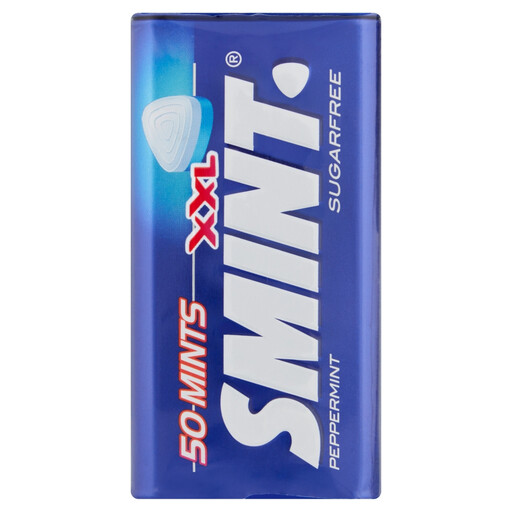 No image available
A peppermint mint in a tin for keeping at a desk or carrying to a meeting. The listed ingredients include aspartame, which the NHS advises people with PKU to avoid. If you specifically want xylitol, check the current pack: the product description and ingredient list give conflicting information. Read the pack’s polyol warning before frequent use.
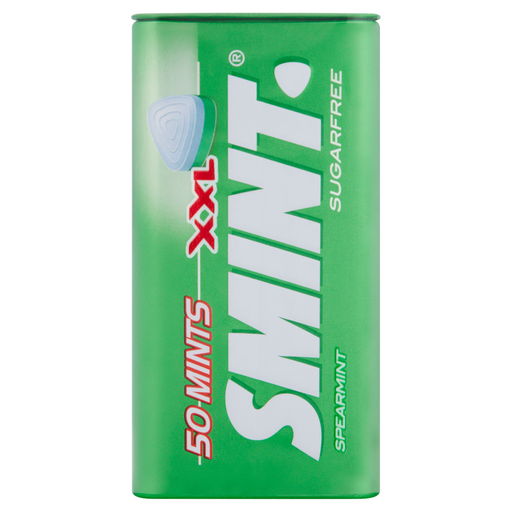 No image available
A spearmint option in a resealable tin for a pocket, bag or desk. Its listed ingredients include aspartame, which the NHS advises people with PKU to avoid. Check the current pack’s polyol warning if you expect to use mints frequently.
Check the sugar-free claim alongside sugars per 100 g, the ingredients and any warnings on the current pack. Sugar-free describes the sugars content; it does not mean the mint has no sweeteners.
The product examples here list sweeteners including sorbitol, xylitol, sucralose and aspartame, but their formulas differ. Read the exact variant’s ingredients; the NHS advises people with phenylketonuria (PKU) to avoid aspartame.
Listings for the Polo multipack, Smint XXL Peppermint and M&S Sugar-Free Clear Mint Drops carry warnings about possible laxative effects with excessive consumption. Check the warning on the mint you choose, particularly if you expect to use it repeatedly.
No. The NHS suggests sugar-free mints or chewing gum after strong-smelling food and drinks, while also recommending regular cleaning of teeth, tongue and mouth for bad-breath care.
Check the specific product. The Polo multipack listing warns that children under four could choke on small sweets, while M&S says its Sugar-Free Clear Mint Drops are not suitable for children. Do not apply one pack’s advice to every mint.