Desk-drawer snack planners
If you keep mints for coffee breaks or occasional sharing, decide whether separate tubes or a tin for one desk would be easier to store and use.


For several separate office supplies, consider a tube multipack such as Polo Sugar Free; for one person’s desk or meeting bag, a Smint XXL tin offers a different format. If the sweetener matters more than the container, Peppersmith Peppermint is listed by Waitrose as containing 100% xylitol and no aspartame. Sugar-free does not mean sweetener-free, so check the ingredients and warnings on the pack before choosing a regular supply.
If you keep mints for coffee breaks or occasional sharing, decide whether separate tubes or a tin for one desk would be easier to store and use.
A compact mint container can be kept in a desk drawer or meeting bag. Sainsbury’s describes its Smint XXL Spearmint tin as a format for desk storage.
Sugar-free mints do not all use the same sweeteners. Compare the exact ingredients and pack warnings, particularly when buying a supply that several people may use.
Choose a storage format for the people using the mints, then compare the sweeteners and pack information on the exact product.
| Priority | What to check | Your needs |
|---|---|---|
| Sugar and sweeteners | Read the sugar-free wording, ingredients and nutrition panel. Tesco describes Polo Sugar Free as mints with sweetener; Waitrose lists xylitol and no aspartame for Peppersmith Peppermint. | I want a mint without sugar, but the particular sweetener also affects which pack I choose. |
| Storage format | Compare the number of containers, pack weight and whether a tin suits individual use. Tesco lists Polo Sugar Free as a four-tube multipack; Sainsbury’s lists Smint XXL Spearmint as a 50-piece tin. | Separate tubes would suit supplies kept in different places; for my own desk, I may prefer a tin. |
| Pack warnings | Check for polyol and phenylalanine statements alongside the ingredient list. GOV.UK says foods containing more than 10% polyols require a warning that excessive consumption may cause a laxative effect. | If mints will be used repeatedly during the workday, I want everyone using the pack to be able to read its warnings. |
| Ongoing supply | Compare pack quantity with how many people will use it, and check current availability before relying on one product for replenishment. | A small personal pack may suit my bag, while several separate packs may be easier to distribute around an office. |
Sugar-free mints can contain different sweeteners. Sainsbury’s lists sorbitol and aspartame for Smint XXL Spearmint, while Waitrose lists xylitol for Peppersmith Peppermint.
Read the ingredients and warnings on the exact pack rather than choosing by its sugar-free claim alone.
A multipack of separate tubes and a tin for individual use solve different storage problems, even when both contain sugar-free mints.
Check the number of containers, total weight and how the mints will be shared or carried.
Stock can affect a recurring office supply. Tesco’s Trebor Mighties Extra Strong Sugar Free listing was marked out of stock when cited.
Confirm current availability before planning replenishment around that product, and compare any alternative’s ingredients.
Ingredients and warnings on the pack are particularly important when a sweetener, allergen or dietary requirement affects your choice.
Check the physical label before use rather than relying solely on a product listing.
These examples show different formats and formulations; a brand name alone does not establish the ingredients of every product it sells.
Tesco lists Polo Sugar Free as a four-tube multipack, a format for keeping supplies in separate places.
Sainsbury’s describes Smint XXL Spearmint as a 50-piece tin with mints three times bigger than regular Smint.
Waitrose lists Peppersmith Peppermint as a sugar-free option sweetened with 100% xylitol.
Tesco lists Trebor Mighties Extra Strong Sugar Free Mints as a 12.5 g pack of mint-flavoured sweets with sweeteners.
M&S describes its Sugar Free Curiously Strong Mints as peppermint mints containing sweeteners.
These products offer tin and portable-pack options for personal desk use or carrying to meetings. Compare the exact pack labels if you are choosing mints for a shared office supply.
 No image available
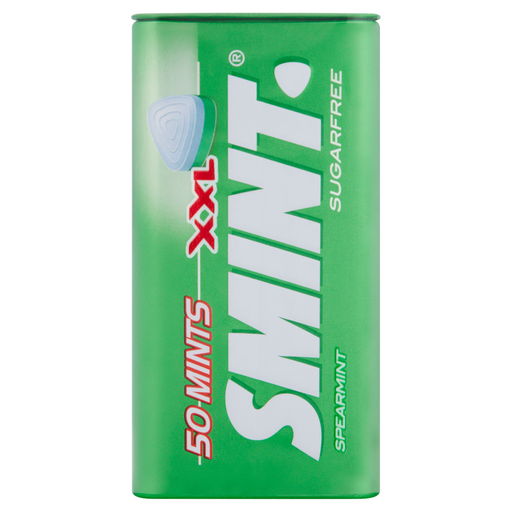
A sugar-free spearmint option in an XXL tin for individual desk use. The listed sweeteners include sorbitol and aspartame; check the physical pack for ingredients, warnings and consumption guidance.
 No image available
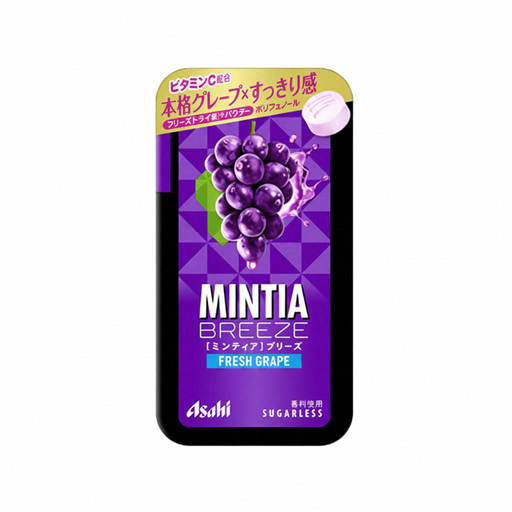
A 22 g sugar-free, grape-flavoured option if you want a fruit flavour rather than peppermint or spearmint. Check the physical pack’s ingredients and warnings before choosing it for regular use.
 No image available
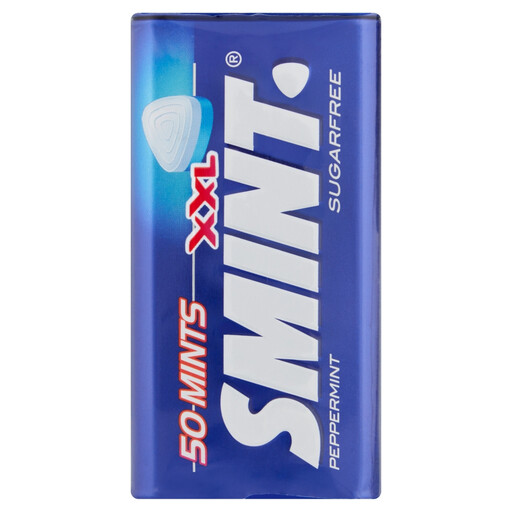
A 35 g sugar-free peppermint option for someone who prefers peppermint at their desk. Check the physical pack to establish its exact sweeteners before selecting it for an ingredient-specific requirement.
 No image available
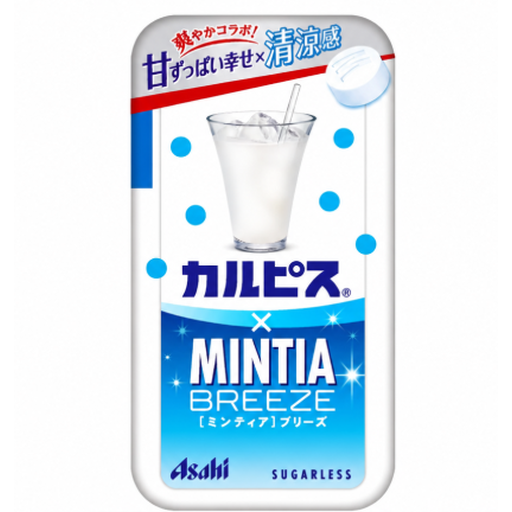
A 22 g sugar-free Calpis-flavoured mint option for personal carrying. Read the physical pack’s ingredients and warnings if sweetener type or another dietary detail affects your choice.
No. Tesco describes Polo Sugar Free as mints with sweetener, while Waitrose lists xylitol for Peppersmith Peppermint. Read the ingredients to find out which sweetener a particular pack uses.
GOV.UK says foods containing more than 10% polyols must warn that excessive consumption may cause a laxative effect. Check the warning on the exact mint pack, particularly if it will be kept within easy reach throughout the workday.
Read the exact pack’s ingredients and any phenylalanine statement. The cited Smint XXL Spearmint product lists aspartame, whereas Waitrose describes Peppersmith Peppermint as containing no aspartame.
Choose separate tubes if mints need to be kept in several places; consider a tin if one person wants a compact desk container. Tesco lists Polo Sugar Free as a four-tube multipack, while Sainsbury’s lists Smint XXL Spearmint as a 50-piece tin.
Check the physical pack before use when ingredients, allergens or dietary suitability matter. An online listing can help you shortlist mints, but the label on the product you receive is the one to examine.