Home bakers changing a recipe
Making shortbread yourself lets you choose the ingredients, but replacing sugar may change how the biscuits turn out. Diabetes UK advises adapting and testing recipes that use sweeteners.


If controlling the ingredients matters most, try a no-added-sugar shortbread recipe and test a small batch: Diabetes UK notes that baking with sweeteners can require recipe changes. If you need a packaged biscuit labelled sugar-free, check the claim and sugars per 100g on that biscuit’s pack. A sweetener suitable for baking does not establish the sugar content of the finished shortbread.
Making shortbread yourself lets you choose the ingredients, but replacing sugar may change how the biscuits turn out. Diabetes UK advises adapting and testing recipes that use sweeteners.
A packaged biscuit needs its own claim and nutrition declaration checked. A sweetener’s label, or a different dietary claim on a shortbread pack, cannot answer that question for it.
Read total carbohydrate and the ingredient list as well as sugars. Diabetes UK notes that polyols contain carbohydrate and calories, so a sugar-free description alone does not settle an individual dietary decision.
Choose when: You want to select the ingredients and can trial the biscuits before serving them.
Bear in mind: Diabetes UK says recipes using sweeteners may need adapting; leaving out table sugar does not establish the finished biscuits’ sugar content.
Choose when: You need to assess a finished shortbread against its own sugar-free claim and nutrition panel.
Bear in mind: The claim does not replace checks on total carbohydrate, ingredients or allergens.
Choose when: Reducing sugar is not a requirement and you want a conventional biscuit.
Bear in mind: The Walkers, Dean’s, M&S, Waitrose and Sainsbury’s examples described below all declare sugars per 100g; none should be treated as a sugar-free choice.
| Priority | What to check | Your needs |
|---|---|---|
| Sugar declaration | For packaged shortbread, read the claim and sugars per 100g on the exact pack. For a home recipe, consider the finished biscuits rather than the sweetener alone. | I need to know whether the biscuit itself meets my sugar requirement, not just whether the recipe leaves out table sugar. |
| Baking texture | Check that the sweetener is intended for baking and follow its usage directions. Trial a small batch if changing a shortbread recipe; Diabetes UK says adaptation may be needed. | If I’m baking for an occasion, I can test the changed recipe before making a full batch. |
| Total carbohydrate | Compare the nutrition panel and sweetener ingredients, including any polyols. Diabetes UK notes that polyols still contribute carbohydrate and calories. | A sugar-free description alone will not tell me the total carbohydrate in my portion. |
| Allergens | Read the ingredients and precautionary allergen statement on the current pack. Check a finished biscuit separately from any sweetener used to make it. | When serving someone with an allergy, I need information for every ingredient and the finished biscuit. |
Removing table sugar does not establish how much sugar the finished shortbread contains; other ingredients may contribute sugars.
Describe the change you made to the recipe without assuming a sugar-free result. If that distinction is essential, assess the finished food’s nutrition information.
Manufacturer and retailer declarations for the conventional Walkers, Dean’s, M&S, Waitrose and Sainsbury’s examples below give sugars per 100g.
If a sugar-free biscuit is required, check a product making that claim rather than relying on an all-butter description.
Diabetes UK notes that polyols contain carbohydrate and calories. The sugar figure alone cannot describe the carbohydrate content of a biscuit or sweetener.
Check total carbohydrate, ingredients and the portion you intend to use. Seek individual advice from your healthcare team if changes affect a diabetes care plan.
Checked conventional shortbread examples contain wheat and milk, while a vegan-recipe biscuit may still have other allergen considerations.
Read the exact pack’s ingredient and precautionary allergen information before buying or serving it.
These product-specific declarations help distinguish conventional shortbread from a labelled sugar-free choice; they do not describe every biscuit a brand makes.
Walkers’ Shortbread Fingers 160g are a conventional shortbread example.
Dean’s Traditional Shortbread Fingers 125g provide another conventional biscuit example.
The All Butter Scottish Shortbread Assortment is an assortment rather than a sugar-free biscuit.
Waitrose has both Shortbread Fingers and an All Butter Shortbread Tin among these conventional examples.
Tesco’s shortbread category includes a product named Finest Free From Belgian Chocolate Chunk Shortbread.
The examples include an all-butter shortbread assortment and Plant Pioneers Shortbread Rounds prepared to a vegan recipe.
These Joybuy options are sweetening ingredients for someone adapting a shortbread recipe, not finished sugar-free biscuits. Check each pack’s ingredients and baking directions, then assess the biscuits you make separately.
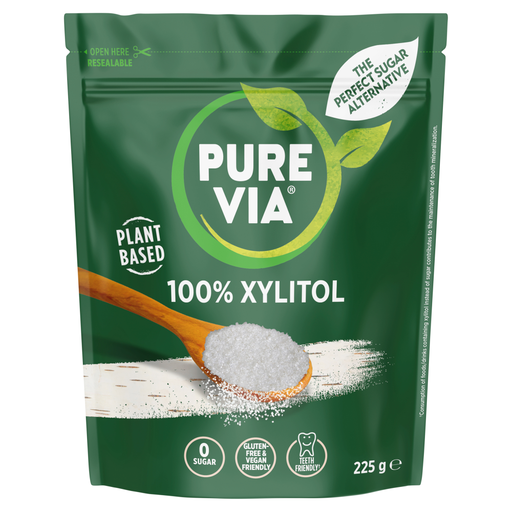 No image available
Consider this xylitol ingredient when trialling a shortbread recipe without added table sugar. Follow the pack’s baking directions rather than assuming a straight swap, and keep xylitol securely away from dogs.
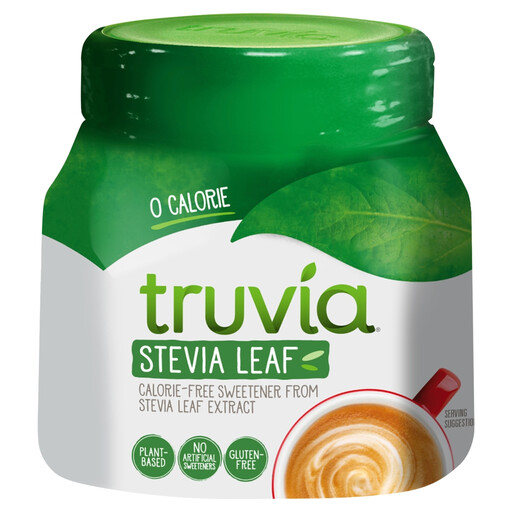 No image available
For a home-baking trial, compare the pack’s directions with the shortbread recipe before changing its sweetener. Check the ingredient and carbohydrate information if either affects your choice.
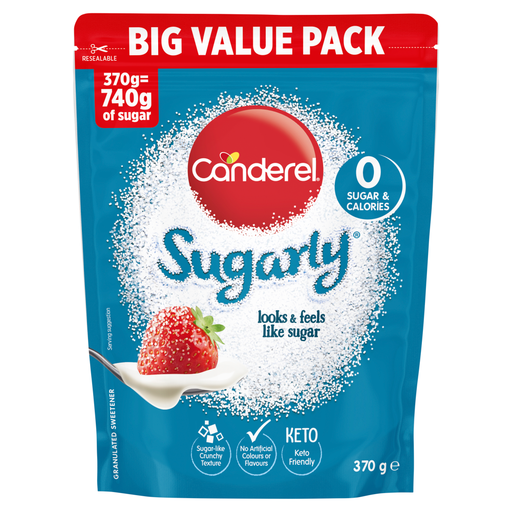 No image available
This is an ingredient to consider for an adapted shortbread recipe, not a declaration about the finished biscuits. Check the pack’s recipe directions and trial a small batch before relying on the result.
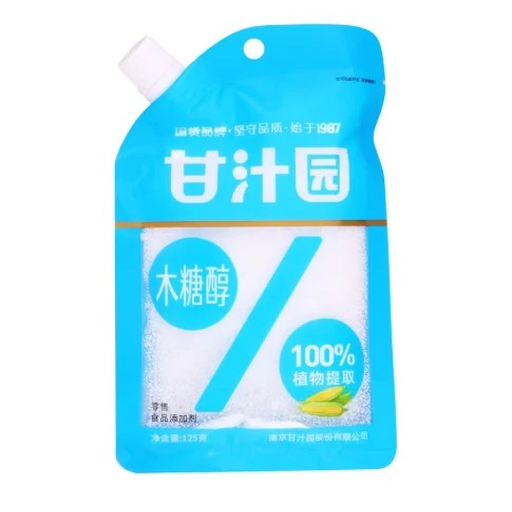 No image available
For shortbread baking, check the pack’s sugars-per-100g, carbohydrate, allergen and usage information against your requirements. Store xylitol securely away from dogs.
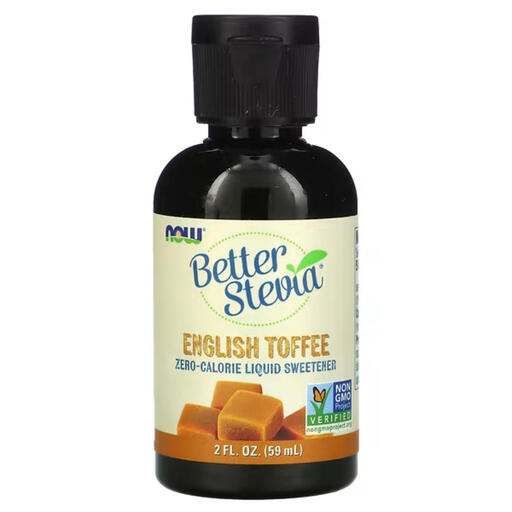 No image available
This liquid, flavoured sweetener is not a direct stand-in for granulated sugar in shortbread; a recipe using it may need substantial adaptation. Check its ingredients, including alcohol, if relevant to the people eating the biscuits.
No: changing the added sweetener alone does not establish the sugar content of the finished biscuits. Check the other ingredients and assess the finished recipe before describing it as sugar-free.
Do not assume a direct swap will give the same shortbread. Diabetes UK says baking with sweeteners may require recipe adaptation, so check the sweetener’s directions and trial a small batch.
No. Diabetes UK notes that polyols still contain carbohydrate and calories. Read the biscuit’s total carbohydrate and ingredients, and discuss changes affecting an individual diabetes care plan with the relevant healthcare team.
Follow the instructions for the biscuit you bought. Waitrose advises storing its All Butter Shortbread Tin in an airtight container once opened; homemade shortbread needs storage suited to its own recipe.