
24/7 Customer Support

Free returns

Same-day & Next-day Delivery

Quality Guaranteed

Unlock Your Welcome Offers: FREE Delivery | Up to 80% OFF | Free 30-day JoyPlus trial
Download the APP
Making healthier choices for yourself and your family often starts with a simple goal: cutting down on sugar. Yet, the supermarket aisles can feel like a minefield. Labels shout "No Added Sugar" and "Guilt-Free," but the reality is often more complicated. As a Product Recommendation Officer at Joybuy, I see where shoppers commonly go wrong. Before you fill your basket, let's look at the pitfalls that can derail your good intentions and how to shop smarter for sugar free snacks and drinks.
healthy sweets for kids.low calorie snacks might compensate for the lack of sugar with higher levels of saturated fat or sodium to improve taste and texture. A "zero sugar" biscuit, for example, might still be high in calories and fat, making it a less-than-ideal choice if overall calorie reduction is your goal.zero sugar soft drinks are created equal. Many people are put off by a lingering, artificial aftertaste from certain sweeteners. Investing in a multipack of a new drink only to find it unpalatable is a common and frustrating waste of money.To avoid these traps, a little label-reading goes a long way. Here are the key things to analyse before you buy.
Always turn the pack over and look at the Nutritional Information table. The most important line item is "Carbohydrates – of which sugars." This figure tells you the total amount of sugar in the product per 100g or 100ml, from all sources.
This single data point cuts through the marketing clutter and gives you a clear, comparable metric. It's particularly vital when choosing diabetic friendly snacks.
Sweeteners are what make sugar-free products palatable. They generally fall into two camps:
sugar free sweets UK.no added sugar drinks and squashes.The type of sweetener used directly impacts the final taste. If you've disliked a product in the past, check its ingredients—you may find you simply don't prefer a specific sweetener. Also, note that products containing aspartame must carry a warning as it's a source of phenylalanine.
Instead of a generic list, we've matched some popular options to the people they suit most, helping you find a product that fits your lifestyle.
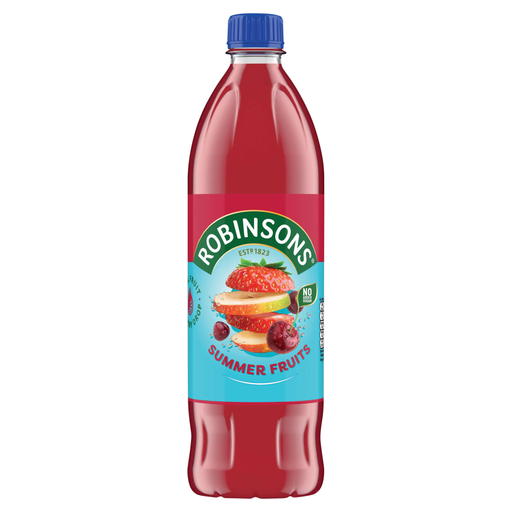
Why This Fits Their Persona: A household staple for a reason. This large, concentrated bottle of fruit squash no added sugar is an economical and convenient way to keep the whole family hydrated. The familiar, fruity taste is a hit with both adults and children.
It clearly states "No Added Sugar" and delivers on it. The nutritional information confirms only trace amounts of naturally occurring sugar per serving, avoiding the "hidden sugar" trap common in fruit-based drinks.
Made with real fruit juices for an authentic taste. Highly concentrated, offering excellent value and numerous servings per bottle.

Why This Fits Their Persona: For when a biscuit craving hits at the office or on the commute. These offer the classic Oreo experience, making them one of the more satisfying guilt-free treats for those specifically looking to cut out sugar.
It successfully delivers a zero-sugar product. However, it serves as a perfect reminder to avoid the second trap: always check the full nutritional profile. While sugar is 0g, you should remain mindful of the fat and overall calorie content.
Authentic biscuit taste without any sugar content, using maltitol for sweetness. Conveniently packaged for portion control and portability.
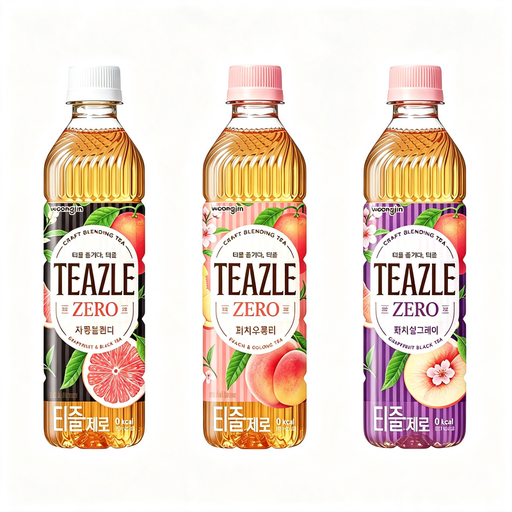
Why This Fits Their Persona: For those tired of standard diet colas and lemonades. This Korean iced tea offers a more sophisticated, refreshing alternative with flavours like Peach & Earl Grey. It's a modern zero sugar soft drink for a discerning palate.
It directly tackles the "flavour compromise" trap. By using expertly blended, high-quality tea leaves, it aims for a clean, smooth taste without the bitter aftertaste that can plague other sugar-free drinks.
Genuinely zero calorie and zero sugar. The mix pack allows you to sample different, more complex flavours to find your favourite.
We have compiled a complete, real-time list of products that fully satisfy these strict selection criteria and UK safety regulations.
1. Are sugar-free snacks and drinks suitable for people with diabetes? Many products labelled "sugar-free" can be suitable, as they have a minimal impact on blood glucose levels. However, it is essential to always check the total carbohydrate content on the nutritional label, not just the sugar. Some sugar alcohols can still affect blood sugar to a small degree. We always recommend consulting with a GP or registered dietitian to make choices that are right for your personal health needs.
2. What is the difference between "no added sugar" and "sugar-free" in the UK? This is a key distinction. "Sugar-free" is a regulated claim meaning the product contains no more than 0.5g of sugar per 100g/ml. "No added sugar" simply means the manufacturer has not added any sugars as an ingredient. The product can still be high in naturally occurring sugars from fruit (fructose) or milk (lactose), which will be reflected in the "of which sugars" line in the nutritional information.
3. Can sugar-free drinks cause weight gain? Zero-calorie drinks do not contain calories and therefore do not directly contribute to weight gain. They can be a useful tool for reducing overall calorie intake when used to replace sugary drinks like full-sugar fizzy pop or juices. Your overall diet and lifestyle are the most important factors in managing weight.