
24/7 Customer Support

Free returns

Same-day & Next-day Delivery

Quality Guaranteed

Unlock Your Welcome Offers: FREE Delivery | Up to 80% OFF | Free 30-day JoyPlus trial
Download the APP
Navigating the world of sugar free snacks can feel like walking through a minefield of confusing labels and misleading claims. Many of us in the UK are looking for healthier ways to satisfy a sweet craving, whether for managing a health condition, providing better options for our families or simply cutting down on sugar. Yet, the market is flooded with products that don't always deliver on their "guilt-free" promise.
As a Joybuy Product Recommendation Officer, my role is to help you see past the marketing jargon. Before you spend your money, let's look at the common pitfalls that catch out even savvy shoppers.
To make an informed choice, you need to look beyond the front-of-pack claims. Here are the non-negotiable checks to perform before you buy.
This is the most important piece of information. On the nutritional table, under Carbohydrate, you will find the "of which sugars" value. This figure tells you the total amount of sugar in the product per 100g, from all sources. It cuts through any marketing jargon and gives you a clear, comparable number. A truly low-sugar or zero sugar treat will have a very low value here.
Understanding the type of sweetener used helps you anticipate the taste, texture and potential side effects.
For a snack to be satisfying and genuinely beneficial, check its other nutritional values. High fibre content contributes to a feeling of fullness and is a hallmark of good healthy office snacks. Conversely, be wary of high levels of saturated fat, which can be a hidden downside in an otherwise sugar-free product.
Here are a few products that align with these principles, matched to different needs and lifestyles.
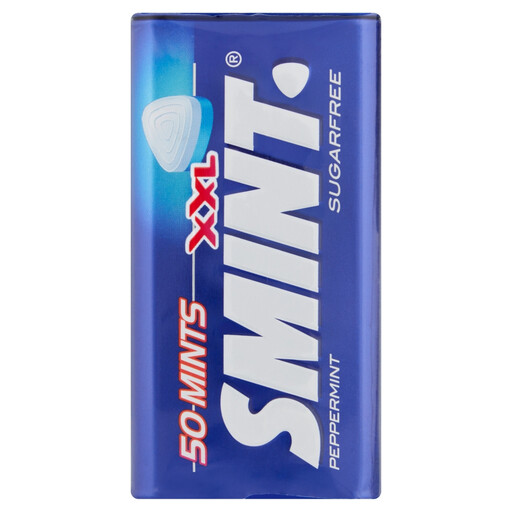
Why This Fits Their Persona: Perfect for keeping in a desk drawer, car or jacket pocket. The sleek tin offers a discreet and powerful peppermint burst for instant freshness after lunch or before a meeting, without the need to chew gum.
It is genuinely sugar-free (0g of sugars) and low in calories. The use of sweeteners like sorbitol and xylitol is transparent, and the product is designed for portion-controlled consumption.
Contains xylitol, a sweetener that helps maintain tooth mineralisation. The XXL mint size provides a more intense and longer-lasting refreshment compared to smaller mints.

Why This Fits Their Persona: For those who enjoy a traditional biscuit with their tea but want to avoid sugar. The combination of oats, dark chocolate and ginger provides a satisfying, grown-up flavour that doesn't feel like a compromise.
This biscuit is high in fibre from oat flakes, helping to avoid the "empty calorie" trap. The nutritional information is clear, showing only 1.0g of sugar per 100g, navigating the "no added sugar" confusion effectively.
It uses high oleic sunflower oil, a source of mono-unsaturated fat. The high fibre content makes it a more substantial and satisfying low sugar biscuit.

Why This Fits Their Persona: An easy swap for a family favourite. It delivers the classic Oreo experience that children and adults recognise, making it simpler to reduce the family's overall sugar intake without protests or feelings of missing out.
This product is genuinely "zero sugar" (0g per 100g), using maltitol as a direct replacement. This avoids the ambiguity of "no added sugar" claims and provides a clear benefit for those tracking sugar intake precisely.
The primary advantage is the familiar taste and brand recognition, which can increase acceptance among picky eaters. It's a straightforward substitute for a high-sugar snack.
We have compiled a complete, real-time list of products that fully satisfy these strict selection criteria and UK safety regulations.
Many are designed with this in mind, but it's essential to look beyond just the sugar content. Check the total Carbohydrate value on the nutritional label, as this also affects blood glucose levels. Products marketed as diabetic friendly sweets UK often use sweeteners like polyols, which have a lower impact. However, individual responses can vary and it is always wise to consult a healthcare professional for personalised dietary advice.
Yes, it is possible. Most sugar-free snacks, especially those containing sugar alcohols (polyols) like xylitol, sorbitol or maltitol, come with a warning: "Excessive consumption may produce laxative effects." This is because they are not completely absorbed by the body. It is best to consume them in moderation, particularly when first introducing them to your diet.
Not always. To create a palatable product without adding sugar, manufacturers may increase the amount of fat or refined flour, both of which contain calories. A no added sugar snack is not automatically a low-calorie one. Always refer to the energy value (listed as kcal and kJ) on the nutritional panel to get the full picture.