
24/7 Customer Support

Free returns

Same-day & Next-day Delivery

Quality Guaranteed

Unlock Your Welcome Offers: FREE Delivery | Up to 80% OFF | Free 30-day JoyPlus trial
Download the APP
Finding suitable sugar-free snacks can be more complicated than the front of the packet suggests. A product may say “zero sugar” while still containing sweeteners, carbohydrates and plenty of calories. Other snacks may be reduced-sugar rather than sugar-free, or contain allergens that are easy to miss when buying unfamiliar Japanese, Korean or novelty sweets.
This guide from the Joybuy Product Recommendation Officer explains what to check before buying, which formats suit different lifestyles and how to compare sugar-free sweets, biscuits, chewing gum and mints more carefully.
In the UK, a product generally needs to contain no more than 0.5g of sugars per 100g to use a sugar-free nutrition claim. However, sugar may be replaced with polyols, such as maltitol, sorbitol, xylitol or isomalt. These can still contribute energy, so check the full nutrition panel rather than relying on the front label.
For example, sugar-free biscuits can contain flour, oils and sweeteners, making portion size important. A product with 0g sugar is not automatically a low-calorie snack.
“No added sugar” means that sugars have not been added during production, but the food may still contain naturally occurring sugars. Fruit-flavoured sweets and some biscuit fillings may use fruit ingredients or syrups, so compare the “of which sugars” figure per 100g.
Sugar-free confectionery can contain several sweeteners in one recipe. Excessive consumption of polyols may produce a laxative effect, while products containing aspartame carry a source-of-phenylalanine warning. This matters particularly for people with phenylketonuria.
Always check bold allergen information for milk, wheat, soya, sesame, nuts and lupin. Imported Japanese sweets, Korean snacks and novelty sweets may also have packaging details that differ from familiar UK products.
Compare:
A “low-sugar snack” can be a practical choice for someone reducing sugar without requiring a fully sugar-free product. By contrast, sugar-free chewing gum and sugar-free mints are usually selected for portability and refreshment rather than as a replacement for a balanced meal or snack.
For commuting, office drawers or travel, slim tins and resealable bottles are easier to manage than large open bags. Bulk chewing gum can suit workplaces, hospitality settings or households that use it regularly, but check the total piece count and best-before date before stocking up.
For sharing, individually wrapped portions can help with storage and serving. For families, check choking warnings carefully, especially with hard mints, chewy sweets, popping candy and jelly-style products.
Look for a clear UK-compliant label showing ingredients, allergens, net quantity, nutrition, storage and best-before information. “Diabetic-friendly snacks” is a commonly searched term, but no confectionery should be treated as medically suitable without considering an individual’s dietary advice. Products sweetened with maltitol or other polyols still contain carbohydrate and should be assessed using the complete label.

Why This Fits Their Persona: A 400g pack offers a straightforward way to try sugar-free biscuits for lunchboxes, tea breaks or household sharing without choosing a novelty format.
The listing clearly identifies sweeteners including isomalt and maltitol, alongside nutrition information and a laxative-effect warning.
Wholemeal wheat flour, 6.5g fibre per 100g and a resealable storage recommendation. Suitable for vegetarians.
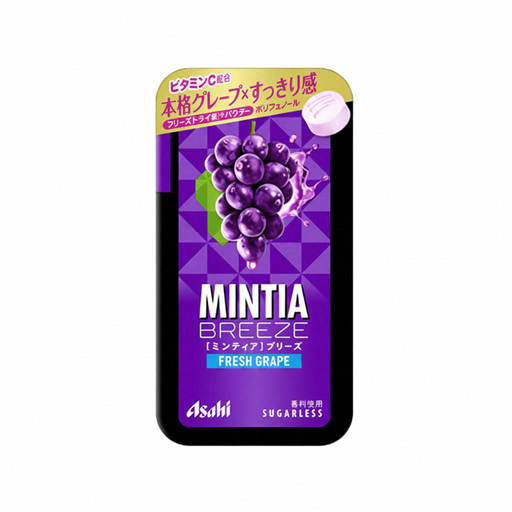
Why This Fits Their Persona: The slim case and grape flavour suit commuters, office workers and shoppers seeking a Japanese sweet with a compact presentation.
The ingredient list names sorbitol, aspartame and acesulfame K, so shoppers can assess the sweetener blend instead of relying on “sugar-free” alone.
22g portable case, grape flavour and listed vitamin C and polyphenol ingredients. Contains aspartame, so check the label if relevant.
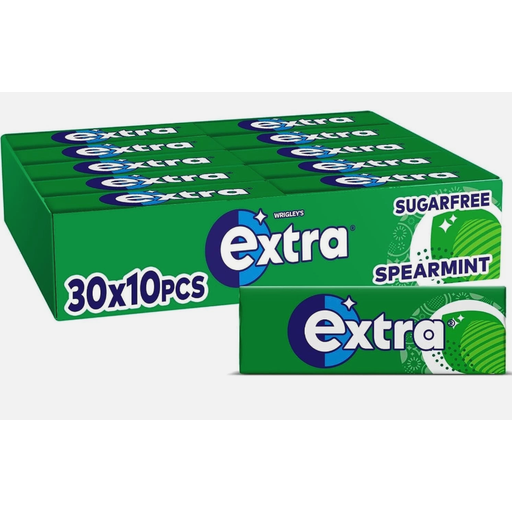
Why This Fits Their Persona: With 30 packs and 300 pieces, this bulk chewing gum format suits offices, shared households, travel planning and frequent users.
The pack quantity is stated clearly, while the nutrition panel shows 0g sugars per 100g and the label includes the polyol and phenylalanine warnings.
Spearmint flavour, individually packed 10-piece units and a vegetarian-friendly recipe. Contains soya lecithin.
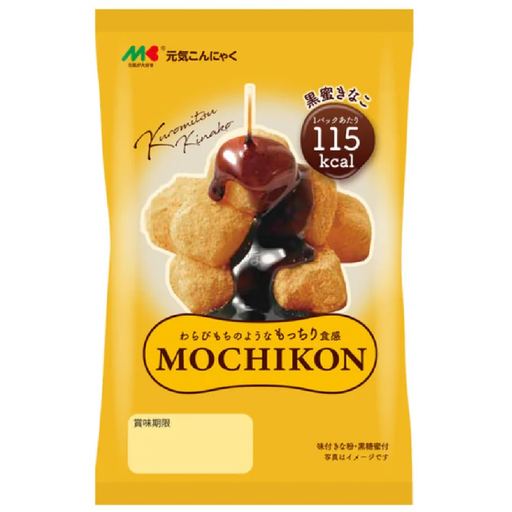
Why This Fits Their Persona: This Japanese-style snack provides a more interactive dessert experience, with separate konjac mochi, kinako powder and black sugar syrup components.
The pack separates the components and provides their ingredients, helping you see that the recipe contains sugar and is not sugar-free.
118g pack with three components, chewy konjac texture and soybean-based kinako. Contains soya and should be consumed promptly after preparation.
We have compiled a complete, real-time list of products that fully satisfy these strict selection criteria and UK safety regulations.
“Sugar-free” does not mean carbohydrate-free or calorie-free. Biscuits, sesame snacks and confectionery may still contain starches, fats or polyols. Check the full nutrition panel and follow any personal dietary guidance rather than relying on the front-of-pack claim.
Some sweeteners, particularly polyols such as sorbitol, maltitol and isomalt, may produce a laxative effect when consumed excessively. Start with a modest portion, follow the packet guidance and avoid treating sugar-free confectionery as unlimited.
Keep biscuits, sweets and mints in a cool, dry place, away from direct sunlight and moisture. Reseal opened biscuits and consume moisture-sensitive novelty sweets, including cotton candy, soon after opening. Always check the product’s best-before date and packaging condition before eating.