
24/7 Customer Support

Free returns

Same-day & Next-day Delivery

Quality Guaranteed

Unlock Your Welcome Offers: FREE Delivery | Up to 80% OFF | Free 30-day JoyPlus trial
Download the APP
Finding satisfying sugar free snacks that don't compromise on taste can feel like a challenge. Whether you're managing a health condition, looking for diabetic snacks or simply aiming to reduce your family's sugar intake, the supermarket aisle can be a confusing place. Many products promise a "guilt-free" experience, but the reality is often disappointing.
As a Joybuy Product Recommendation Officer, my role is to help you navigate the market and identify products that deliver on their promises. Before you spend your money, it's important to be aware of a few common pitfalls that lead to buyer's remorse.
By understanding what to look for, you can confidently choose delicious and convenient no sugar snacks that fit your lifestyle.
To avoid the common traps, focus on the information on the back of the pack, not just the claims on the front. Here are the three most important factors to analyse.
Not all sugar substitutes are created equal. Understanding the ingredient list is the first step to finding a snack you'll enjoy.
This is the most critical part of the nutrition label. A product can legally be labelled "sugar-free" if it contains less than 0.5g of total sugars per 100g or 100ml. However, you must also look at the total Carbohydrate value. If you are managing diabetes or a low-carb diet, this total figure (which includes starches and polyols) is what matters most for calculating your intake.
A higher fibre content is often a good sign. Fibre helps you feel fuller for longer, supports digestive health and can slow the absorption of carbohydrates. When comparing two similar sugar free biscuits, the one with more dietary fibre is often the more satisfying and thoughtfully formulated choice, making it a better component of a balanced selection of healthy snacks.
Instead of providing a simple list, we've matched some popular options to different lifestyles and needs, helping you find a product that genuinely works for you.

Why This Fits Their Persona: This is for someone who craves the classic taste of a chocolate sandwich biscuit with their afternoon tea but wants to avoid the sugar. It delivers that familiar flavour and texture, making it a straightforward swap for a traditional treat.
It directly tackles the taste and texture compromise. By replicating a well-known biscuit, it removes the gamble of trying an unknown flavour profile and provides a satisfying, non-chalky crunch.
Sweetened with maltitol to achieve 0g of sugar per serving. The individual packaging also helps with portion control and maintains freshness.
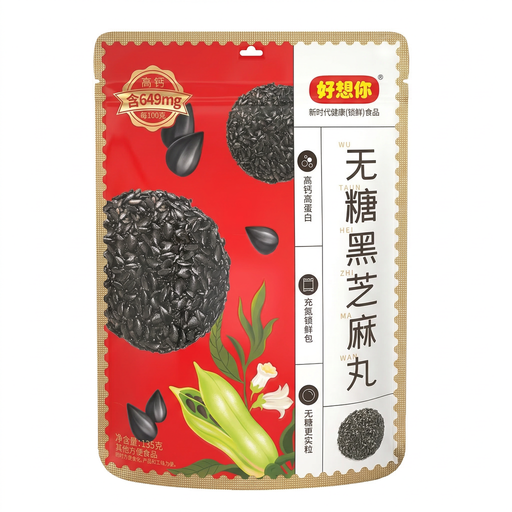
Why This Fits Their Persona: This user wants more from their snack than just a sweet fix. They look for functional ingredients and nutritional value. These sesame balls offer protein, fibre and minerals, making them a more substantial and nourishing choice.
It sidesteps the "healthy halo" trap by being genuinely nutrient-dense. With black sesame as the primary ingredient (≥60%), its nutritional profile is based on whole foods, not just fillers and sweeteners.
Rich in protein (13.4g per 100g) and healthy fats. The individually wrapped portions are perfect for a convenient, mess-free and healthy snack on the go.
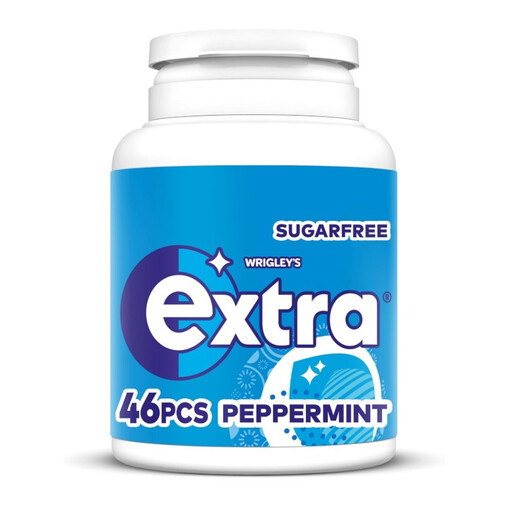
Why This Fits Their Persona: For busy professionals in the UK, a quick refresh between meetings or after a coffee is essential. This gum is a functional tool for maintaining fresh breath and confidence throughout the day. The bottle format is ideal for a car or desk drawer.
This product has a clear, functional purpose rather than trying to be a complex treat. It avoids the hidden carbohydrate trap by having 0g of sugar and a carbohydrate content derived entirely from polyols, which is expected in gum.
The convenient 46-piece bottle ensures you always have some on hand. The peppermint flavour provides a clean, long-lasting fresh feeling without any sugary residue.
We have compiled a complete, real-time list of products that fully satisfy these strict selection criteria and UK safety regulations.
Many diabetic snacks are labelled "sugar-free," but this doesn't mean they can be eaten without consideration. It is essential to check the total carbohydrate content, including polyols, as this can still affect blood glucose levels. Different individuals may react differently to sugar alcohols. It is always advisable to monitor your levels and consult with a healthcare professional or registered dietitian to understand how these foods fit into your personal dietary plan.
This is a common concern, particularly with products containing polyols like maltitol, sorbitol and xylitol. Because they are not completely absorbed in the small intestine, consuming them in large quantities can lead to bloating, gas or a laxative effect in some people. Most manufacturers include a warning on the packaging about excessive consumption. The key is moderation; enjoying these guilt-free snacks as an occasional treat is unlikely to cause issues for most individuals.
These terms are not interchangeable and are defined by UK food labelling regulations.