
24/7 Customer Support

Free returns

Same-day & Next-day Delivery

Quality Guaranteed

Unlock Your Welcome Offers: FREE Delivery | Up to 80% OFF | Free 30-day JoyPlus trial
Download the APP
Cutting down on sugar does not mean giving up convenient treats. The challenge is knowing whether a product is genuinely suitable for your routine or simply using eye-catching wording to disguise a high-calorie, highly processed recipe.
This guide explains the label details, sweeteners and pack formats worth checking before buying sugar-free snacks in the UK. It also highlights practical choices for commuters, office workers, families and shoppers looking for no added sugar snacks, low-sugar biscuits, sugar-free sweets, mints, gum and drinks.
Under UK food labelling rules, a food can generally use a “sugar-free” claim when it contains no more than 0.5g of sugars per 100g or 100ml. However, sugar may be replaced with fat, flour, starch or polyols, which still contribute to the product’s energy value.
For example, a sugar-free black sesame snack can contain 573 kcal per 100g, while sugar-free biscuits may contain more than 400 kcal per 100g. Check the energy, fat and serving size rather than relying on the front-of-pack claim.
A no added sugar product should not contain added mono- or disaccharides, or another food used for its sweetening properties. It may still contain naturally occurring sugars from ingredients such as fruit, milk or dried fruit.
Dried prunes illustrate this distinction: the product contains no added flavourings or colours, but its nutrition information lists 30.5g of sugars per 100g. It may suit someone avoiding added sugar, but not someone seeking sugar-free snacks in the strict nutritional sense.
Maltitol, sorbitol, xylitol, isomalt and other polyols can help reduce sugar content, but consuming large amounts may cause digestive discomfort or a laxative effect. This warning appears on several sugar-free biscuits and chewing gums.
Some products also contain aspartame, which is a source of phenylalanine. Anyone who needs to avoid phenylalanine should check the full ingredient list. Always read the current packaging because recipes and allergen information can change.
Look at the nutrition panel rather than only the product name. Compare:
A product can list 0g sugars while containing a high level of polyols or carbohydrate. This is not necessarily a problem, but it affects how suitable the snack is for frequent consumption.
For biscuits and confectionery, inspect the first few ingredients. These usually make up the largest proportion of the recipe. Common allergens in this category include:
Black sesame balls and sesame crisps are unsuitable for people avoiding sesame. Several chewing gums contain soya lecithin, while some mints include aspartame or other sweeteners.
For snacks for on the go, packaging matters as much as flavour. Individually wrapped snacks can make portion control easier and reduce the risk of a whole bag being eaten during a commute. Tins and bottles of mints or gum are convenient for an office drawer, handbag, car or school bag.
Also check storage guidance. Heat and moisture can affect biscuits, sweets and candy floss, while opened biscuits should usually be resealed to preserve texture.

Why This Fits Their Persona: The 400g pack provides a familiar biscuit format for households, tea breaks and shared cupboards without requiring individually purchased portions.
The label states sugar-free, while the nutrition panel lists less than 0.5g of sugars per 100g. It also clearly warns that excessive consumption may produce a laxative effect.
Whole wheat flour makes up 65% of the recipe; the product provides 6.5g of fibre per 100g and is suitable for vegetarians.
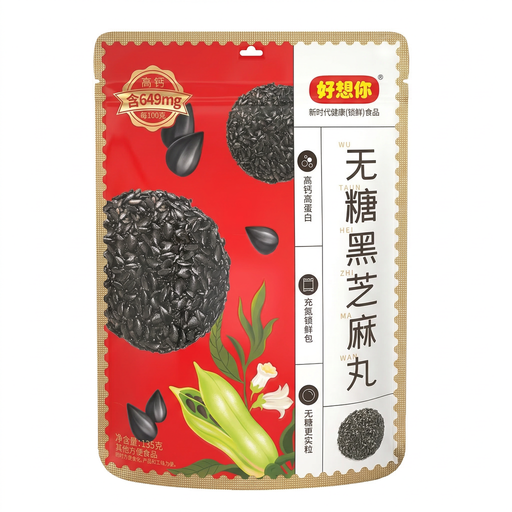
Why This Fits Their Persona: A traditional black sesame snack for shoppers who prefer a seed-based treat with individually packed portions for work, travel or school preparation.
The ingredient list identifies black sesame at 60% or more and maltitol as the sweetener, while the supplied nutrition information lists 0g sugar per 100g.
The 135g pack contains 17–18 individually packaged pieces. It provides protein and dietary fibre, but its energy value means portions still matter.
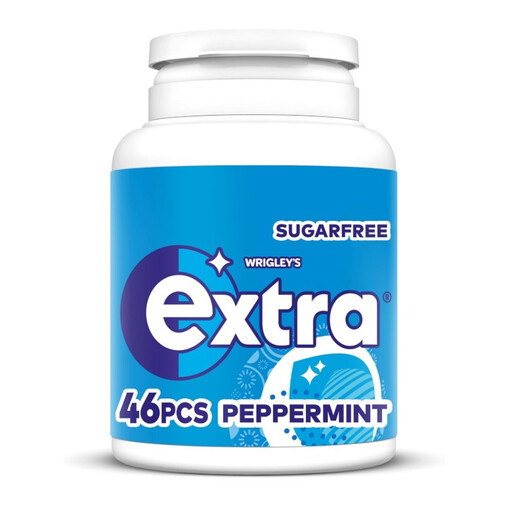
Why This Fits Their Persona: A bottle format suits frequent commuters, drivers and office workers who want a portable refreshment after meals or during a busy day.
The nutrition information lists 0g sugars, and the ingredients specify the sweeteners used. The pack also states that it contains soya, helping shoppers check allergens before purchase.
The bottle contains 46 pieces and provides a compact option for snacks on the go. It contains polyols, so moderate consumption is sensible.
We have compiled a complete, real-time list of products that fully satisfy these strict selection criteria and UK safety regulations.
They can fit into a balanced eating pattern, but “sugar-free” does not automatically mean nutritious or low in calories. Compare portions, energy, fat and fibre, and vary treats with ordinary foods such as fruit, yoghurt or unsalted nuts where appropriate.
Many sugar-free sweets, biscuits and gums use polyols such as maltitol, sorbitol or isomalt. Larger quantities may have a laxative effect. Start with a small portion and follow the product’s serving guidance.
Not always. Some sugar-free drinks contain very little energy, while others may include juice, milk or additional ingredients. Check the per-100ml and per-serving nutrition panels, particularly when buying multipacks for regular use.