
24/7 Customer Support

Free returns

Same-day & Next-day Delivery

Quality Guaranteed

Unlock Your Welcome Offers: FREE Delivery | Up to 80% OFF | Free 30-day JoyPlus trial
Download the APP
Choosing sugar-free and low-calorie soft drinks can appear straightforward, but labels and pack sizes often make comparisons difficult. A drink described as “light”, “natural” or “no added sugar” may still contain naturally occurring sugars, sweeteners or more calories than expected.
For UK households, students, offices and families, the practical choice depends on more than flavour. You also need to consider serving size, storage, ingredients, allergens and whether a multipack suits your actual consumption.
No added sugar drinks can still contain sugars from fruit juice or concentrates. For example, a fruit drink may have no added sugar while retaining naturally occurring sugars. Check the nutrition panel for “of which sugars” per 100ml, rather than relying only on the front-of-pack wording.
A sugar-free product can still contain sweeteners such as sucralose, acesulfame K, aspartame or steviol glycosides. If you need to avoid a particular ingredient, read the full ingredients list and allergen information.
A can multipack, a 500ml bottle and a squash concentrate serve different purposes. A 24-pack may be convenient for an office fridge or gathering, but it requires more storage space. Concentrates can provide multiple drinks from one bottle, but the final calories and sugar depend on the dilution instructions.
Always compare price per litre or per serving, not just the shelf price. This is particularly useful when choosing between sugar-free soft drinks multipacks and individual ready-to-drink bottles.
Carbonated drinks can work well with lunch or casual gatherings, while ready-to-drink tea may be more suitable for a chilled drink without fizz. Sports energy drinks have a different purpose: they may contain carbohydrates intended for exercise and are not automatically suitable as everyday low-calorie drinks.
Likewise, children’s fruit drinks need careful checking for serving size, sweeteners and safety warnings. Product packaging should always be followed, particularly where small caps or storage after opening are concerned.
The UK nutrition panel normally gives values per 100ml, which makes products easier to compare. Also check the value per can or bottle because a 330ml serving will contain more than the listed 100ml amount.
For example, the supplied Sprite No Sugar 8x330ml lists 1 kcal and 0g sugar per 100ml. Tango Orange Sugar Free 8 x 330ml lists 2 kcal and 0g sugar per 100ml, while Tango Apple Sugar-Free 24 x 330ml lists 3 kcal and 0g sugar per 100ml. These figures provide a clearer comparison than terms such as “refreshing” or “guilt-free”.
Sugar-free fizzy drinks commonly use sweeteners to maintain sweetness without adding sugar. Some products contain a source of phenylalanine, which is relevant to people who need to avoid aspartame. Squashes and fruit-flavoured soft drinks may contain sulphites, preservatives or juice concentrates.
Check the label every time you buy, since recipes and packaging can change. This is especially important for imported Asian drinks, herbal tea drinks, aloe vera drinks and products containing coconut or nata de coco.
Choose cans for easy portion control and sharing, bottles for on-the-go use and larger concentrates for flexible household serving. Carbonated products should be stored in a cool, dry place away from direct sunlight and handled carefully because the containers are pressurised.
Opened bottles usually need refrigeration and consumption within a stated period. A drink that looks economical may create waste if your household cannot finish it before opening-related storage limits apply.
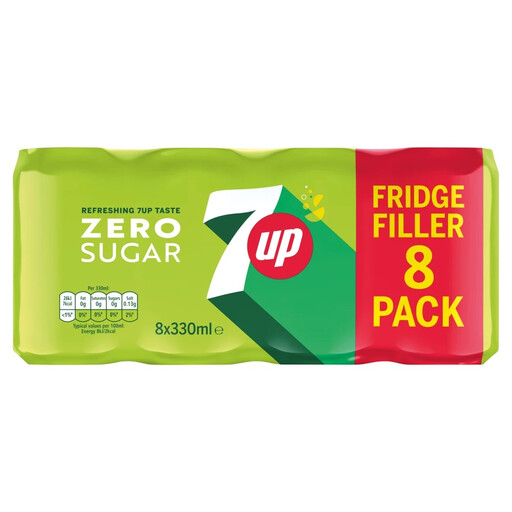
Why This Fits Their Persona: An accessible eight-can option for shoppers beginning to replace sugary fizzy drinks at home, during lunch or in the office.
The product information specifies 0g sugar and 2 kcal per 330ml can, making the serving details easy to verify.
Lemon and lime flavour, zero sugar, zero caffeine and a compact 8 x 330ml format.
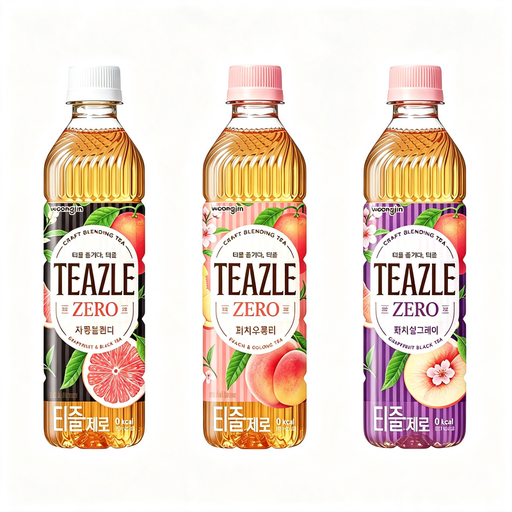
Why This Fits Their Persona: Suitable for shoppers who want ready-to-drink tea with varied flavours for work, travel, picnics or chilled home serving.
The listing identifies the drink as sugar-free and zero calorie, rather than relying only on broad “healthy” positioning.
Three-flavour mix including peach and Earl Grey, oolong and grapefruit black tea; 500ml bottles.
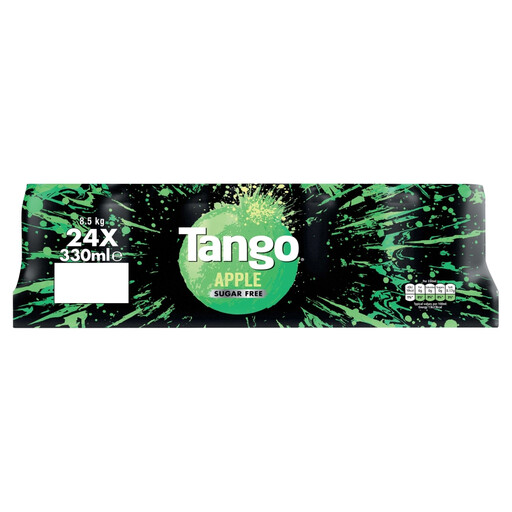
Why This Fits Their Persona: A larger drinks multipack UK shoppers can use for family events, office fridges, barbecues or regular home stock.
The 24-can quantity and per-can nutrition information make it easier to assess storage needs and total intake.
Apple flavour, 0g sugar per 330ml can and cans suitable for portioned serving.
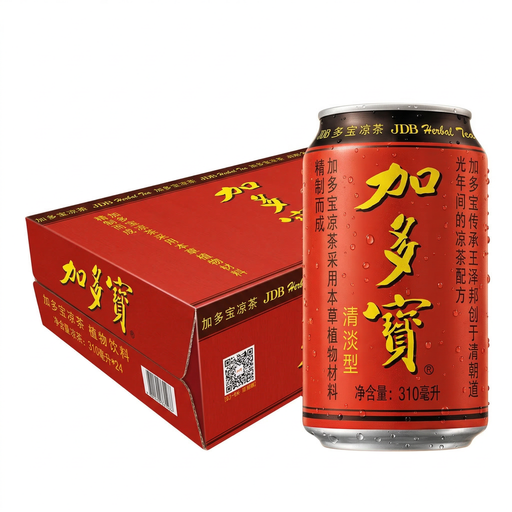
Why This Fits Their Persona: A choice for customers seeking an Asian drink with traditional herbal beverage ingredients and a compact bottle format for meals or gatherings.
Its listing clearly states that it contains white sugar and provides 36 kcal and 8.5g sugar per 100ml, avoiding confusion with sugar-free drinks.
24 x 310ml bottles, ready to drink, with Mesona Chinensis, chrysanthemum and honeysuckle listed among the herbal ingredients.
We have compiled a complete, real-time list of products that fully satisfy these strict selection criteria and UK safety regulations.
Not always. Some products list zero sugar but still contain a small amount of energy from juice, flavouring or other ingredients. Compare both the kcal and sugar values per serving. For example, Tango Cherry Sugar Free lists 13 kcal per 330ml can despite listing 0g sugar.
Suitability depends on the individual product, age guidance and ingredients. Check the label for sweeteners, caffeine, choking warnings and serving instructions. Do not assume that “no added sugar” means a drink is suitable for every child or every occasion.
It can offer a lower cost per serving, but this depends on the pack price, delivery cost and whether all drinks will be consumed before their best-before or storage guidance becomes relevant. Calculate the price per can, bottle or litre before ordering and choose a pack size that matches your household’s actual needs.