
24/7 Customer Support

Free returns

Same-day & Next-day Delivery

Quality Guaranteed

Unlock Your Welcome Offers: FREE Delivery | Up to 80% OFF | Free 30-day JoyPlus trial
Download the APP
Choosing sugar-free sweets and snacks online can seem straightforward until you compare the ingredients, pack sizes and nutrition panels. A product labelled “sugar-free” may still contain considerable calories, while “no added sugar” does not necessarily mean that the food contains no naturally occurring sugars.
Whether you need sugar-free mints for your desk, low-sugar snacks for travel, or bulk confectionery for an office or party, a few checks can help you avoid unsuitable purchases.
Sugar-free products often use sweeteners such as maltitol, sorbitol, xylitol, isomalt or aspartame. These can replace sugar without making the product calorie-free. For example, some sugar-free biscuits remain relatively energy-dense because they contain flour, oils or cocoa.
Look at the full nutrition table, particularly energy, carbohydrate and polyol values per 100g. This gives a more useful comparison than front-of-pack wording alone.
Dried fruit snacks naturally contain sugars. J.ZAO dried sweet potato chips contain only sweet potato, but the listed sugars are 30.1g per 100g. Similarly, dried prunes can contain naturally occurring sugars even when no conventional sugar is added.
“No added sugar” describes how the product is made; it does not automatically describe the total sugar content. Always check the nutrition panel.
Polyols may cause a laxative effect when consumed excessively, so larger packs of sugar-free sweets or biscuits need sensible portioning. Products containing aspartame also carry a source-of-phenylalanine warning, which is relevant to people with phenylketonuria.
Allergen information matters too. Soy may appear in sugar-free chewing gum, wheat in zero sugar biscuits, and sesame in black sesame snacks. Gelatine also affects whether gummy sweets are suitable for vegetarians or people following halal or other dietary requirements.
Under UK food labelling rules, a “sugar-free” nutrition claim generally refers to a product containing no more than 0.5g of sugars per 100g or 100ml. This is different from being low-calorie or low-carbohydrate.
Before adding a product to your basket, compare:
A small tin of sugar-free mints may suit occasional use, while a 400g biscuit pack or 500g dried fruit snack needs more attention to serving control.
For pockets, commuting and meetings, sugar-free mints or sugar-free chewing gum are compact and ready to use. Hard mints dissolve slowly but may be unsuitable for young children because of their solid texture. Gum is useful after meals, although it may not be appropriate in every workplace or social setting.
For lunchboxes and sharing, individually wrapped sweets or resealable bags can reduce mess. Chewy gummy sweets should be supervised when children are eating them, and products with gelatine should be checked carefully for dietary suitability.
Buying bulk confectionery can reduce the need for repeat orders, but only if the product will be consumed within its stated shelf life and stored properly. Humidity can affect the texture of hard mints, biscuits and gummies. Keep confectionery in a cool, dry place and reseal opened packets where instructed.
A single-serve or smaller pack can be more practical for trying unfamiliar Japanese sweets or international snacks before committing to a larger quantity.

Why This Fits Their Persona: A smaller pack offers a straightforward way to try zero sugar biscuits at home, in an office drawer or with afternoon tea without committing to a larger multipack.
The product lists 0g sugars per 100g, while the ingredients identify maltitol as the sweetener. The nutrition panel still shows 442 kcal per 100g, making portion awareness important.
97g pack; familiar sandwich biscuit format; individually suitable for casual snacking. Contains wheat and soya.
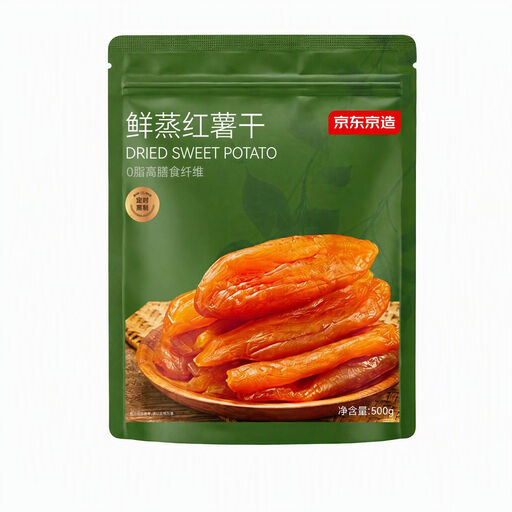
Why This Fits Their Persona: Suitable for shoppers seeking a simple ingredient list and a naturally sweet, chewy alternative to conventional confectionery.
The ingredients list contains sweet potato only, but the nutrition information still lists 30.1g sugars per 100g. This makes the distinction between no added sugar and sugar-free clear.
100% sweet potato ingredients; 500g pack; ready to eat; no listed allergens.
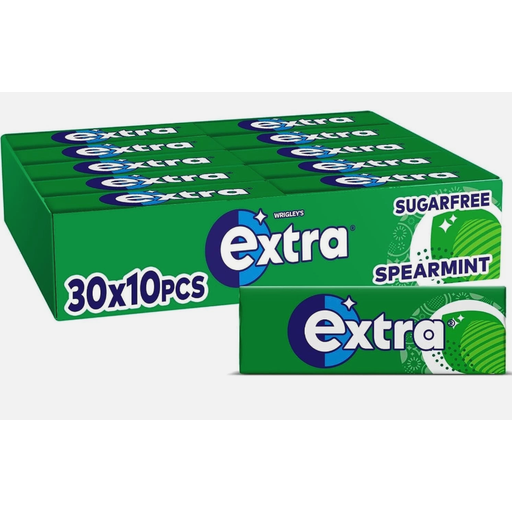
Why This Fits Their Persona: The 300-piece format suits offices, hospitality settings, shared desks and regular gum users who want a supply for post-meal use.
The listing states 0g sugars per 100g and clearly flags polyols, excessive-consumption warnings and a source of phenylalanine.
300 pieces; spearmint flavour; suitable for vegetarians; compact individual packs.
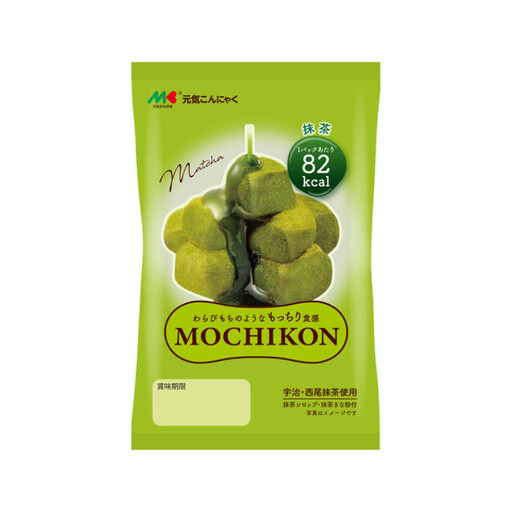
Why This Fits Their Persona: A Japanese-inspired chilled dessert for shoppers who want something different from standard sweets and snacks.
The listing identifies sweeteners, 11g sugars per 100g and soya as an allergen, so shoppers can assess it rather than relying on the matcha flavour description.
113g pack; soft konjac-based texture; ready to eat; made in Japan; listed as halal.
We have compiled a complete, real-time list of products that fully satisfy these strict selection criteria and UK safety regulations.
They can be included as part of a varied diet, but “sugar-free” does not mean unlimited. Check calories and sweetener content, particularly in biscuits and chocolate-style snacks. Products containing polyols may cause digestive discomfort or a laxative effect when eaten excessively.
It depends on the setting. Mints are discreet and require no chewing, making them convenient for meetings, public transport and short journeys. Gum can provide a longer chewing experience but may be less suitable in formal environments. Check the pack size, sweetener warnings and allergen statement before buying.
Start with the ingredient list and nutrition table, then confirm allergens, dietary suitability, net weight and storage instructions. For families, check choking warnings and texture. For offices or parties, compare the cost per 100g or per piece rather than the headline pack price. This approach makes it easier to compare snacks online in the UK and select products that genuinely fit your household or event.