Cyclists planning a longer ride
For a ride over about 90 minutes, consider how you will eat regularly rather than treating a sugar-free sweet as your carbohydrate plan. British Cycling advises eating from the start of rides of this length.


Take sugar-free toffee for its taste, if you have tried the particular product and tolerate it, rather than making it your main ride fuel. British Cycling says additional fuel is generally unnecessary for rides up to about 90 minutes, but advises eating from the start of longer rides. Werther’s Original Sugar Free Creamy Toffees contain polyol sweeteners and warn that excessive consumption may produce laxative effects.
The distinction is whether you want a sweet to carry or food that forms part of a longer ride’s carbohydrate plan.
For a ride over about 90 minutes, consider how you will eat regularly rather than treating a sugar-free sweet as your carbohydrate plan. British Cycling advises eating from the start of rides of this length.
If you want toffee for its flavour on a commute or shorter leisure ride, it need not double as ride fuel. British Cycling says additional fuel is generally unnecessary for rides up to about 90 minutes.
Check the particular pack before taking it on a ride. Tesco’s listing for Werther’s Sugar Free Toffee names maltitol, isomalt and sorbitol syrup, declares milk ingredients and soya lecithin, and includes an excessive-consumption laxative-effect warning.
Start with ride duration and your reason for carrying the sweet. Then compare the current pack’s nutrition, ingredients and warnings with what you intend to eat during the ride.
| Priority | What to check | Your needs |
|---|---|---|
| Ride duration | British Cycling says rides up to about 90 minutes generally need no additional fuel. For longer rides, it advises eating from the start and then every 20–30 minutes. | For a longer ride, I want a plan for eating regularly, not a sweet I remember to eat only when I feel hungry. |
| Sugars and carbohydrate | Read both figures per 100 g and check the portion you would actually carry. Werther’s Original lists 76.4 g carbohydrate and under 0.5 g sugars per 100 g for its Sugar Free Creamy Toffees; the sugar-free label alone does not establish how to use them for ride fuelling. | I may want a sweet with little sugar, but I do not want to mistake that choice for a planned carbohydrate intake. |
| Sweeteners and tolerance | Check the sweetener names and pack warning. Werther’s Original lists maltitol, isomalt and sorbitol syrup; its label warns that excessive consumption may produce laxative effects. Try the particular sweet during training before carrying it for an event. | Before I pack several sweets, I want to know how I get on with that product during a ride. |
| Ingredients and pack details | Read the current pack for ingredients, declared allergens and serving information. Tesco’s listing for Werther’s Sugar Free Toffee names butter and cream as milk ingredients and also lists soya lecithin. | If I need to avoid milk or soya, the ingredients on the pack matter more than an older online listing. |
A sugar-free label describes sugars, not whether a sweet fits a longer ride’s fuelling plan. British Cycling advises planned intake from the start of rides over about 90 minutes.
Decide what and when you will eat on a longer ride, then treat sugar-free toffee as an optional sweet rather than a substitute for that plan.
Werther’s Original Sugar Free Creamy Toffees contain polyol sweeteners and warn that excessive consumption may produce laxative effects. The NHS also notes that some polyols can have this effect in large amounts.
Read the pack warning and try the particular product in training before deciding whether to carry it on a longer ride.
Werther’s Original lists 4.5 g carbohydrate, including 3.7 g sugars, per 5.2 g Butter Candy. That per-piece amount needs accounting for if you are planning regular intake; the presence of sugar alone does not make toffee a complete ride plan.
If you carry conventional toffee as a treat, plan the rest of your food and drink separately and practise eating them during training.
Recipes can change, so a previous listing may not describe the pack you are holding. This matters particularly when checking sweeteners, milk and soya.
Read the current pack’s ingredients, allergen information, serving details and warnings before taking it on a ride.
These product examples help distinguish sugar-free toffee from conventional sweets; brand inclusion does not mean every product in a range has the same recipe.
Werther’s Original lists both Sugar Free Creamy Toffees and conventional Butter Candies. Their labels describe different sugar amounts, so check which product you are buying.
Tesco lists Diablo Sugar Free Fruit Toffees in its traditional-sweets category as a Marketplace product.
M&S Toffee Assortment is a conventional toffee reference, not a sugar-free alternative.
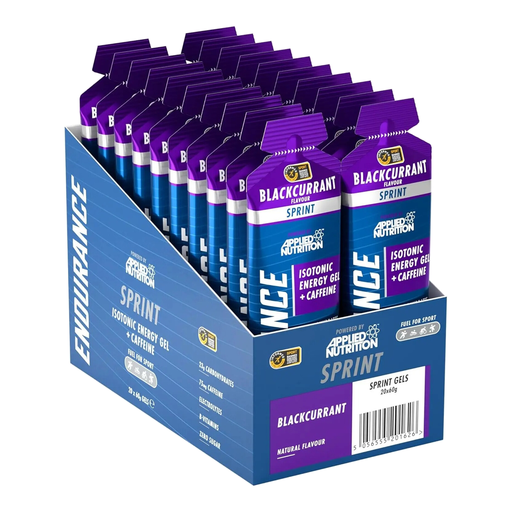
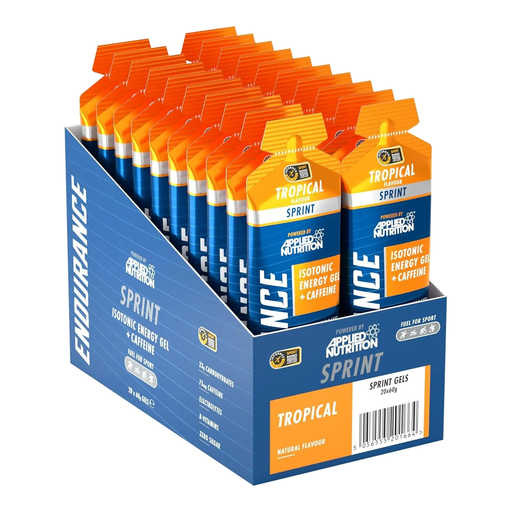
These Applied Nutrition sachets are gels, not toffees. Consider them only if you are looking at food to fit into a planned longer-ride intake rather than shopping for a sugar-free sweet; check each pack and try the particular product in training.
 No image available
A gel rather than a toffee for consideration within a longer-ride food plan. This is the blackcurrant-flavoured Energy Gel + Electrolytes variant in a pack of 20 x 60g; check the current pack’s ingredients and nutrition information, and try it during training.
 No image available
A tropical-flavoured gel, not a substitute for toffee if confectionery is what you want. The pack is 20 x 60g; check its caffeine information alongside any other caffeine you consume, read the current ingredients and warnings, and try the product during training.
 No image available
A blackcurrant-flavoured gel to assess against a longer-ride food plan, rather than a sugar-free toffee. This Endurance variant comes as 20 x 60g; read the current pack for nutrition and ingredients, and try the particular product during training.
A sugar-free label alone does not tell you whether toffee fits your ride-fuelling plan. Werther’s Original lists under 0.5 g sugars per 100 g for its Sugar Free Creamy Toffees, but also lists polyol sweeteners and an excessive-consumption laxative-effect warning. For rides over about 90 minutes, British Cycling advises planning intake from the start rather than relying on an occasional sweet.
Not usually for additional fuel, according to British Cycling’s guidance for rides up to about 90 minutes. Sugar-free toffee can be something you carry for its taste instead, provided you have checked the particular product and know how you get on with it.
Try the exact product during training rather than for the first time at an event. British Cycling advises practising ride fuelling, and a polyol-sweetened toffee’s excessive-consumption warning makes the particular product and amount worth checking beforehand.
Read the current pack’s allergen and ingredient information before eating it. Tesco’s listing names butter and cream as milk ingredients and also lists soya lecithin; an online listing may not reflect a later change to the pack.