Runners cutting back on sugar
If you want a lower-sugar sweet, keep that choice separate from deciding how to fuel a long run. A sugar-free label does not tell you whether a sweet fits your carbohydrate plan.


Sugar-free toffee is a confectionery choice, not a like-for-like replacement for planned carbohydrate during a long training run. For sessions that call for fuelling, choose a product with a stated carbohydrate amount per serving and try it in training; Tesco’s Werther’s Sugar Free Toffee lists polyol sweeteners and warns that excessive consumption may produce laxative effects.
If you want a lower-sugar sweet, keep that choice separate from deciding how to fuel a long run. A sugar-free label does not tell you whether a sweet fits your carbohydrate plan.
If you are considering sweets during a run, check their sweeteners and warnings. Tesco’s Werther’s Sugar Free Toffee lists maltitol, isomalt and sorbitol syrup, and warns that excessive consumption may produce laxative effects.
A stated carbohydrate serving makes intake easier to count and practise. Tesco lists 22 g carbohydrate per serving for its SiS GO Isotonic gel, while HIGH5 states 23 g per Energy Gel; neither figure establishes how you will tolerate the product.
Decide whether you are choosing a sweet or planning fuel for exercise, then compare the label and try your intended option in training.
Choose for: A sweet with little stated sugar, rather than a planned carbohydrate serving during a long run.
Consider: Tesco’s Werther’s Sugar Free Toffee contains polyol sweeteners and warns that excessive consumption may produce laxative effects.
Choose for: A stated amount of carbohydrate per serving that you can incorporate into a long-run fuelling plan.
Consider: The amount per serving still needs to fit the session, and you should establish your tolerance in training.
| Priority | What to check | Your needs |
|---|---|---|
| Carbohydrate planning | Read the carbohydrate amount per serving and consider your session’s duration and intensity. A 2015 sports-nutrition review indexed by PubMed advises 30–60 g per hour for exercise lasting 1–2.5 hours; that range is not an individual prescription. | For a prolonged training session, I want servings I can count towards a plan rather than treating every gram of carbohydrate on a sweet’s label as equivalent running fuel. |
| Sweeteners and tolerance | Check the ingredients and any on-pack warning. Tesco’s Werther’s Sugar Free Toffee lists maltitol, isomalt and sorbitol syrup and warns of possible laxative effects with excessive consumption; NHS guidance notes that some polyols can have that effect in large amounts. | If I plan to carry something on a long run, I want to try it during training before relying on it for an important session. |
| Meaning of sugar-free | Compare sugars, total carbohydrate and ingredients on the current pack. A sugar-free description alone does not establish that confectionery is suitable for endurance fuelling. | I may want a sweet with little sugar, but I need to make a separate decision about what to use for exercise. |
| Serving format | Check the carbohydrate stated for one serving, the pack format and how you intend to carry and use it. Tesco lists 22 g carbohydrate per serving for its SiS GO Isotonic gel; HIGH5 states 23 g per Energy Gel. | For a long session, I want a format I can carry, count and practise using while running. |
Tesco’s Werther’s Sugar Free Toffee uses maltitol, isomalt and sorbitol syrup. Its declared carbohydrate total does not establish that the sweets can replace the carbohydrate servings in a long-run fuelling plan.
For a long or intense run, start with a product that states its carbohydrate per serving and plan how you will use it across the session.
Tesco warns that excessive consumption of its Werther’s Sugar Free Toffee may produce laxative effects. NHS guidance also notes this possibility for some polyols consumed in large amounts.
If you want the sweets as a treat, try them away from an important run rather than making repeated sweets an untested fuelling strategy.
A statement about sugar content does not tell you how a confectionery product should fit into a marathon training plan.
Read the current nutrition panel, ingredients, allergen declaration and warnings. For running fuel, also check the carbohydrate amount per serving and practise using the product in training.
These brands illustrate the distinction between sugar-free confectionery and products with stated carbohydrate servings; their inclusion does not establish that every product in a brand’s range serves the same purpose.
Tesco lists a Werther’s Sugar Free Toffee confectionery product for shoppers seeking toffee flavour with little stated sugar.
Tesco lists an orange SiS GO Isotonic gel with a stated carbohydrate serving for exercise.
HIGH5 describes its Energy Gel as a carbohydrate product for use before and during exercise.
These gels represent the measured-carbohydrate route for runners planning fuel during exercise, not sugar-free toffee choices. Check each current pack’s nutrition information and try your chosen format in training.
 No image available
A gel format to consider when planning portable fuel for training. The title specifies 20 × 60 ml; check the current pack for carbohydrate per serving and try it during training before relying on it for a key run.
 No image available
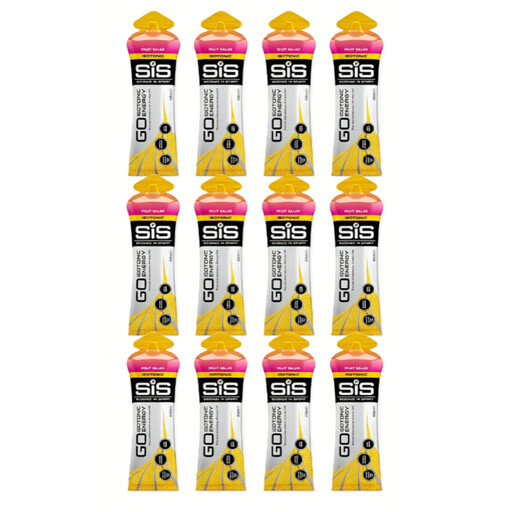
For runners considering individual gels as part of a training plan. This Fruit Salad variant comes as twelve 60 ml packs; check its own nutrition panel for carbohydrate per serving rather than applying figures from another flavour or listing.
 No image available
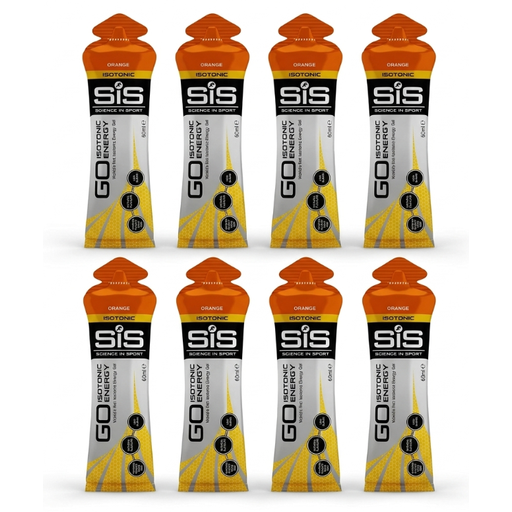
An Orange variant in eight 60 ml packs for runners comparing gel formats. Read this pack’s carbohydrate-per-serving information and practise taking it during training; the format alone does not settle a fuelling or hydration plan.
 No image available
For a plan that calls for a stated carbohydrate amount per gel: this variant’s title specifies 40 g carbohydrate. It is an energy gel, not sugar-free toffee; check the current sugars declaration and try the serving during training.
Do not treat it as a like-for-like replacement for planned carbohydrate during a long run. A sports-nutrition review indexed by PubMed advises carbohydrate intake for exercise lasting 1–2.5 hours, while Tesco’s Werther’s Sugar Free Toffee is polyol-sweetened confectionery with a warning about excessive consumption. Choose a product with a stated carbohydrate serving for your fuelling plan and try it in training.
No. Sugar and total carbohydrate are separate entries on a nutrition panel, so read both on the current pack. A sugar-free description does not establish that a sweet is designed to supply carbohydrate during running.
Tesco’s Werther’s Sugar Free Toffee lists maltitol, isomalt and sorbitol syrup and warns that excessive consumption may produce laxative effects. NHS guidance likewise notes that some polyols can have that effect in large amounts. Do not make an important run your first trial of the sweets.
Read the grams per serving on the particular product, then consider how that serving fits the duration and intensity of your session. A 2015 sports-nutrition review indexed by PubMed advises 30–60 g carbohydrate per hour for exercise lasting 1–2.5 hours; it is not a personal prescription. Practise your intended intake and hydration approach in training.
Read the ingredient and allergen information on the current pack before choosing a sweet or gel. The Tesco Werther’s listing identifies milk ingredients and soya lecithin, but an online listing should not replace checking the product you will use.