White-chocolate snackers reducing added sugar
If you want a small white-chocolate treat at elevenses, distinguish a no-added-sugar claim from a sugar-free claim and read the sugars figure on the nutrition panel.


For elevenses, a no-added-sugar white-chocolate bar suits someone who wants a plain chocolate treat, while a white-chocolate-coated protein bar is a different snack for someone seeking a declared protein amount. Neither format establishes that a product is sugar-free: in Great Britain, the sugar-free claim condition published on legislation.gov.uk is no more than 0.5g sugars per 100g, so check the nutrition panel as well as ingredients, allergens and sweetener warnings.
If you want a small white-chocolate treat at elevenses, distinguish a no-added-sugar claim from a sugar-free claim and read the sugars figure on the nutrition panel.
Check total carbohydrate, sugars and the sweetener used rather than assuming a maltitol-sweetened bar fits your individual plan. Diabetes UK advises people adjusting insulin around polyols to seek individual guidance from their healthcare team.
A white-chocolate-coated protein bar is worth comparing when a declared protein amount matters more to you than a plain chocolate bar. Its ingredients and allergens need their own check.
Settle the claim and product format first, then compare the nutrition panel, serving information and ingredients for the portion you plan to eat.
| Priority | What to check | Your needs |
|---|---|---|
| Sugar claim | In Great Britain, legislation.gov.uk sets the sugar-free claim condition at no more than 0.5g sugars per 100g of food. A no-added-sugar claim has different conditions; check the sugars figure rather than treating the phrases as equivalent. | If I need a sugar-free claim, I want the current nutrition panel to show whether the bar meets that limit. If I am reducing added sugar instead, a no-added-sugar bar is a separate option. |
| Sweeteners and portions | Find the named sweetener, any excessive-consumption warning and the stated serving size. Tesco lists a 25g serving for its 75g Diablo bar; The Pod Chocolates sells a 100g bar. | Before treating a whole bar as one elevenses portion, I want to know its size and whether a polyol warning matters to me. |
| Snack format | Compare a plain white-chocolate bar with a coated protein bar as different products. Waitrose lists 20g protein for the 40g FULFIL White Chocolate Cookies & Cream bar; its coating is described as no added sugar, not the whole bar as sugar-free. | Some mornings I want a chocolate treat; on others, a snack with a stated protein amount is more relevant. The coating alone would not decide for me. |
| Nutrition panel | Read sugars and total carbohydrate on the same per-100g basis, then check the serving figures. Diabetes UK notes that polyols provide carbohydrate and calories. | When tracking carbohydrate, I need the full panel for the amount I intend to eat, not just wording on the front of the pack. |
| Ingredients and allergens | Check the current ingredients and may-contain statement for the exact bar. The reviewed Diablo and The Pod bars contain milk and soya; the reviewed FULFIL bar has a different ingredient and allergen profile. | Milk, soya, nuts or other dietary exclusions could rule out a particular bar, regardless of its sugar claim. |
The claims have different conditions. The Pod Chocolates states 10.7g naturally occurring sugars per 100g for its bar, above the Great Britain sugar-free claim limit of 0.5g per 100g published on legislation.gov.uk.
If a sugar-free claim is essential to your choice, check the current per-100g sugars figure rather than relying on the product name.
Maltitol is a polyol, and the reviewed maltitol-containing products carry an excessive-consumption laxative-effect warning. Diabetes UK also notes that polyols provide carbohydrate and calories.
Read the sweetener and warning statements, and compare the serving size with the amount you intend to eat.
A protein bar can state a protein amount, but its recipe and allergens differ from those of a plain white-chocolate bar.
Choose by the snack format you actually want, then check the complete ingredients and nutrition information for that product.
Availability and product information on a retailer page can change before an order is placed.
Check the live listing and current pack details, particularly the ingredients, allergens and nutrition panel.
These examples illustrate different products and claims; a brand name alone does not establish a sugar-free claim or Joybuy availability.
Tesco lists a 75g Diablo no-added-sugar white-chocolate bar for shoppers seeking a plain chocolate format.
The Pod Chocolates offers a 100g maltitol-sweetened white-chocolate bar, a larger format than the listed Diablo bar.
The reviewed FULFIL White Chocolate Cookies & Cream product is a coated protein bar, not a plain white-chocolate bar.
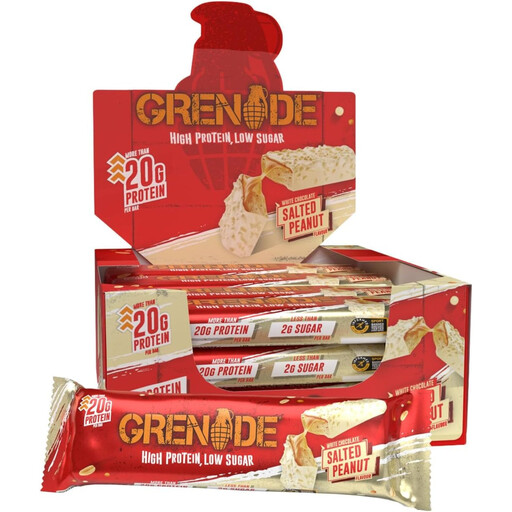
This Joybuy option is a white-chocolate-flavoured protein-bar multipack for elevenses shoppers considering that format instead of a plain white-chocolate bar. Its product name does not establish a sugar-free claim.
 No image available
Consider this multipack if you want a protein-bar snack rather than plain white chocolate. Check the current pack’s sugars per 100g, polyol information and allergen statement if those affect your choice; do not treat the product name as a sugar-free claim.
No. In Great Britain, the sugar-free claim condition published on legislation.gov.uk is no more than 0.5g sugars per 100g or 100ml. A no-added-sugar claim concerns whether sugars or other foods used for sweetening have been added; naturally occurring sugars can still be present. Check the nutrition panel for the product you are considering.
No. Diabetes UK notes that polyols provide carbohydrate and calories. Check the product’s carbohydrate information and your intended portion; if you adjust insulin around carbohydrate intake, seek individual guidance from your healthcare team about polyols.
The reviewed maltitol-containing products warn that excessive consumption may produce laxative effects. Read the warning and serving information before deciding how much of the bar to eat at elevenses.
Check each current pack rather than relying on the chocolate format. The reviewed Diablo and The Pod white-chocolate bars contain milk and soya; Diablo may contain tree nuts. The reviewed FULFIL protein bar contains milk proteins and has may-contain statements covering cereals containing gluten, nuts, peanuts and soya.