Gym-goers choosing a sweet treat
If you want something portable for after training or the journey home, decide whether you are buying confectionery or food for a particular exercise session. A reduced-sugar claim does not settle that question.


Choose no-added-sugar white chocolate as an occasional gym-bag treat if reducing sugar is your aim, but compare the portion’s total carbohydrate, sweetener, saturated fat and allergens before buying. It should not be assumed to serve as exercise fuel or a fast-acting carbohydrate snack: the British Dietetic Association says carbohydrate needs vary with training, while University College London Hospitals NHS Foundation Trust gives different considerations for glucose-management snacks.
If you want something portable for after training or the journey home, decide whether you are buying confectionery or food for a particular exercise session. A reduced-sugar claim does not settle that question.
If carbohydrate intake matters to your choice, check the serving size and total carbohydrate as well as sugars. Diabetes UK notes that polyols contain carbohydrate and calories; a sugar-free description is not a substitute for reading the nutrition panel.
Compare the named sweeteners and read the exact pack’s ingredient and precautionary allergen statements. The white-chocolate formulations considered here include milk ingredients, and some also list soya.
Start with the snack’s purpose, then compare labels for the portion you expect to carry and eat.
| Priority | What to check | Your needs |
|---|---|---|
| Snack purpose | Decide whether it is a treat or food for a particular training session. The British Dietetic Association says exercise carbohydrate needs depend on the training programme and dietary goals. | I want a sweet snack in my bag, but I will not treat a lower-sugar chocolate label as proof that it meets my exercise-fuelling needs. |
| Carbohydrate | Read sugars, total carbohydrate and polyols per 100 g and per serving. Chocolates Torras lists 57 g carbohydrate, including 7 g sugars and 50 g polyols, per 100 g of its 75 g maltitol white-chocolate bar. | If I am comparing sugar intake, I also need to know how much total carbohydrate is in the portion I would eat. |
| Sweetener | Check whether the bar uses maltitol or erythritol and steviol glycosides. Read any serving guidance or excessive-consumption warning; The Pod Chocolates and Keto Babe Chocolate each give such warnings for their respective products. | I would rather try a small portion away from training than discover how I respond to a new sweetener on the way to a session. |
| Ingredients and storage | Check the current pack for milk, soya and precautionary allergen statements. Follow its storage directions when packing a bar in a gym bag. | I need an ingredient list that fits my requirements and a pack I can store as directed while travelling. |
Milk ingredients can contribute sugars, and polyols contribute to total carbohydrate. Diabetes UK also describes chocolate as a treat food for which energy and saturated fat remain relevant.
Compare the nutrition panel for the portion you plan to eat, including sugars, total carbohydrate and saturated fat, rather than relying on the front-of-pack wording.
The Pod Chocolates warns that excessive consumption of its maltitol-sweetened bar may have laxative effects; Keto Babe Chocolate warns of possible gastric discomfort with excessive consumption of its erythritol- and stevia-sweetened bar.
Follow the product’s serving guidance and consider trying a small portion away from a training session first.
Ingredients differ between bars. For example, the Tesco Marketplace listing for Diablo’s no-added-sugar white chocolate names milk and soya ingredients.
Read the current label, including precautionary statements, for the exact bar or multipack you are buying.
The Pod Chocolates describes a 100 g sugar-free white-chocolate bar sweetened with maltitol.
Keto Babe Chocolate describes a no-added-sugar white-chocolate bar sweetened with erythritol and stevia; it says the bar’s sugar comes from milk powder.
Chocolates Torras publishes a 75 g maltitol white-chocolate bar and a separate 100 g white-chocolate formulation using erythritol and steviol glycosides.
Tesco Marketplace lists Diablo no-added-sugar white chocolate in a six-pack of 75 g bars.
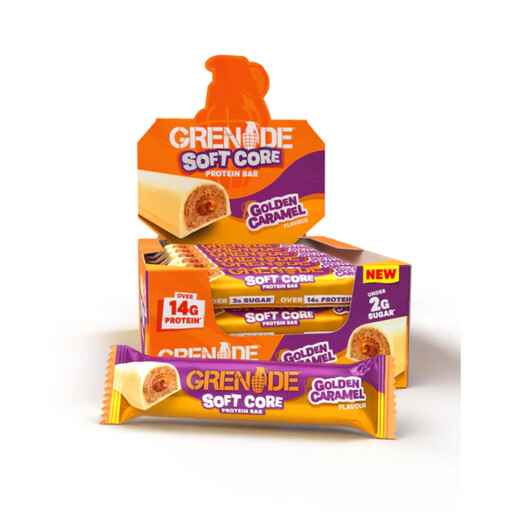
This option is a portioned protein bar for a gym bag, not a standalone sugar-free white-chocolate bar. Compare its current ingredient and nutrition labels with your reason for choosing a snack.
 No image available
The 50 g bar size makes portions identifiable when packing a gym-bag snack. This is a protein bar rather than a standalone white-chocolate bar; check its current ingredients, sugars, total carbohydrate and polyols if those determine your choice.
Do not assume it suits that purpose simply because it is sugar-free. The British Dietetic Association says carbohydrate requirements vary with training; if you are choosing food for a particular session, assess the portion and its nutrition information against that purpose rather than treating confectionery as exercise fuel by default.
No-added-sugar white chocolate should not be assumed to provide fast-acting carbohydrate. University College London Hospitals NHS Foundation Trust specifies fast-acting carbohydrate for snacks used in its pre-exercise glucose-management guidance; follow your individual plan where one applies.
Not necessarily. Keto Babe Chocolate says the sugar in its no-added-sugar bar comes from milk powder, while the Chocolates Torras maltitol bar lists sugars as well as polyols. Check the exact product’s sugars and total carbohydrate per serving.
Read the pack’s storage directions and allergen information before packing it. Check the exact formulation for milk, soya and precautionary allergen statements, and follow its instructions for keeping the bar during travel.