
24/7 Customer Support

Free returns

Same-day & Next-day Delivery

Quality Guaranteed

Unlock Your Welcome Offers: FREE Delivery | Up to 80% OFF | Free 30-day JoyPlus trial
Download the APP
Navigating the world of sugar substitutes can feel overwhelming. Whether you're aiming to reduce your calorie intake, manage a health condition or follow a specific dietary plan like keto, the goal is the same: to find a satisfying sugar alternative without the associated downsides. With so many options on the shelves, from plant-based powders to flavoured liquids, it's easy to get lost in the marketing noise.
This guide is designed to cut through the confusion. As a Joybuy Product Recommendation Officer, my role is to provide clear, practical advice to help you choose a sugar substitute that fits your lifestyle and culinary needs. We will explore the key factors to consider and highlight a few standout options available in the UK.
Before you add anything to your basket, a little knowledge goes a long way. Here are a few key points to consider when selecting a sweetener.
Sweeteners generally fall into a few main categories. Natural sweeteners are derived from plants or other natural sources. Popular examples include stevia (from the stevia plant leaf) and erythritol (a sugar alcohol found in some fruits). These are often favoured by those seeking plant-based or minimally processed options. They are frequently used to create a zero calorie sweetener that aligns with various health-conscious diets.
The format of a sweetener can greatly influence its suitability for different tasks.
Your personal dietary requirements are paramount.
Based on their ingredients, format and user applications, here are some excellent options to consider.
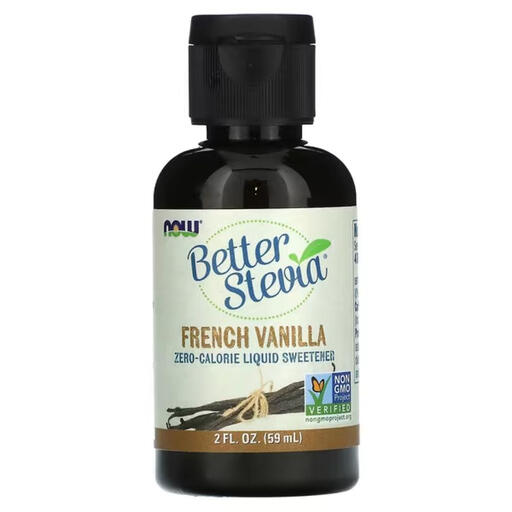
Why It Stands Out: This liquid sweetener is incredibly convenient for daily use in drinks. Made from certified organic stevia leaf extract, it delivers sweetness without calories or a glycaemic impact. The addition of natural French vanilla flavour enhances coffees, teas and protein shakes without needing extra syrups.
Pros:
Who is it for? This is an ideal choice for anyone who primarily wants to sweeten beverages and appreciates the simplicity of a flavoured, concentrated liquid.
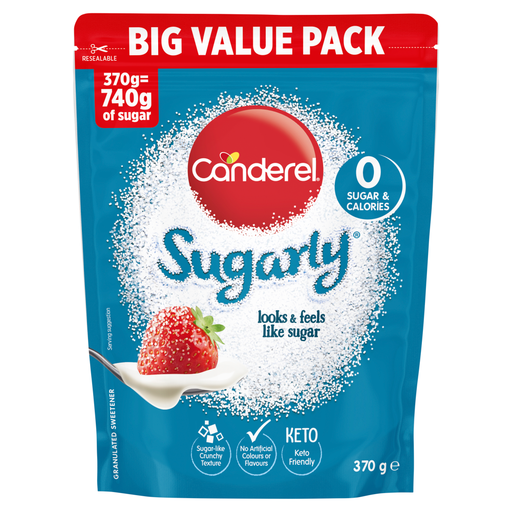
Why It Stands Out: Canderel Sugarly is designed to mimic the texture and crunch of granulated sugar, making it a seamless replacement in many situations. Its main ingredient is erythritol, which gives it bulk and a sugar-like appearance. It can be used for sprinkling, stirring and baking, offering great versatility.
Pros:
Who is it for? Perfect for those seeking an all-purpose granulated sweetener that behaves much like sugar, whether for their morning porridge or for converting family-favourite baking recipes.
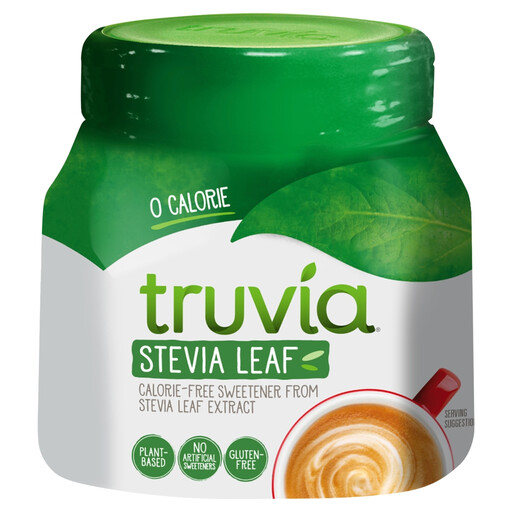
Why It Stands Out: This product combines sweetness from the stevia leaf with erythritol to create a granulated, easy-to-use sweetener. It has a clean taste and is a popular plant-based option. As a calorie-free and sugar-free product, it fits well within diabetic, low-carb and general wellness-focused diets.
Pros:
Who is it for? A great option for health-conscious individuals who want a granulated, plant-derived natural sweetener for everyday use in a wide range of foods and drinks.
While these three products cover a range of common needs, the world of sweeteners is vast. If you're looking for a different blend, a pure monk fruit sweetener or simply want to compare more brands, we can help.
Explore our full range of sugar substitute sweeteners to find the perfect match for your pantry.
Q1: What is the most suitable sugar substitute for baking? For baking, it's generally advisable to use a granulated baking sweetener that is heat-stable and can provide bulk, similar to sugar. Products containing erythritol, like Canderel Sugarly or Truvia, are often good choices as they can frequently be substituted in equal volume to sugar. Always check the product's packaging for specific baking guidance and conversion rates.
Q2: Are natural sweeteners a good choice for diabetics? Many natural sweeteners, including stevia and erythritol, have a zero or very low glycaemic index. This means they typically do not cause a significant rise in blood sugar levels, making them a popular sweetener for diabetics. However, it is always wise to monitor your own body's response and consult a healthcare professional when making significant dietary changes.
Q3: Can I use a sugar alternative on a keto diet? Yes, a keto sweetener is an essential part of a low-carb lifestyle. Look for options with zero net carbohydrates, such as pure stevia, monk fruit or erythritol. These sweeteners provide the desired taste without interfering with ketosis, allowing you to enjoy sweet foods and drinks while adhering to your diet.