
24/7 Customer Support

Free returns

Same-day & Next-day Delivery

Quality Guaranteed

Unlock Your Welcome Offers: FREE Delivery | Up to 80% OFF | Free 30-day JoyPlus trial
Download the APP
Choosing between sugar and sweeteners is not simply a matter of picking the cheapest bag on the shelf. The texture, flavour, format and storage requirements can all affect the result in your kitchen. A fine sugar may suit a sponge, while a dark, moist sugar is more appropriate for gingerbread. Likewise, a syrup designed for Korean cooking will behave differently from pancake syrup or caramel drizzle.
As the Joybuy Product Recommendation Officer, I focus on practical details that help UK shoppers avoid marketing hype and select ingredients according to how they will actually be used.
Caster sugar, granulated sugar and icing sugar are not interchangeable in all applications. Caster sugar has smaller crystals that dissolve more readily in cake mixtures, meringues and drinks. Icing sugar is powdered and often contains maize starch to reduce clumping, making it suitable for buttercream, dusting and glazing.
Replacing icing sugar with granulated sugar can leave a gritty finish. Using icing sugar in a recipe that depends on crystal structure may also alter the texture.
Brown sugar, muscovado sugar and demerara sugar can have noticeably different textures and flavour profiles, but they remain sugar products. Dark muscovado and soft brown sugar retain molasses, creating a moist texture and deeper caramel notes. Demerara has larger, crunchy crystals and is often used as a topping.
Colour or a description such as “natural” does not automatically mean lower in sugar or calories. Always check the nutrition declaration per 100g and the ingredient list.
A stevia sweetener or calorie-free sweetener may provide sweetness without the same amount of energy as ordinary sugar, but it may not replicate sugar’s bulk, browning or moisture. Tablets are convenient for tea and coffee, whereas granulated alternatives may be more suitable for some cooking applications.
Read the ingredients carefully. For example, a product can contain steviol glycosides but also include fillers or bulking agents. Polyols may also carry a warning that excessive consumption can have a laxative effect.
For baking, match the crystal size to the recipe:
If a recipe specifies a weight, use kitchen scales rather than volume measurements. Different sugar types pack differently, particularly moist brown sugars.
A short ingredient list can make a product easier to assess, but it does not necessarily indicate a particular dietary effect. Check for:
UK food labels should identify relevant allergens in the ingredients list, usually in bold type. Always recheck the packaging because formulations and labelling can change.
Large packs can offer practical value for frequent bakers, but sugar absorbs moisture and can harden or clump if left exposed. Store dry products in a cool, dry place and seal them tightly after opening.
Syrups need additional care. Golden syrup and pancake syrup are generally stored upright and may require refrigeration after opening. Haepyo Starch Syrup should be tightly sealed and refrigerated after opening for extended freshness, with the supplied product information advising use within six months. Carnation Drizzle Caramel should be refrigerated after opening and consumed within one week according to its product instructions.
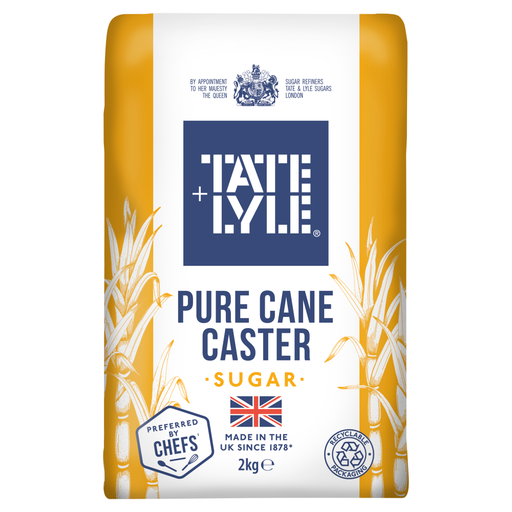
Why This Fits Their Persona: A 2kg pack suits households making cakes, biscuits and meringues regularly, reducing the need for frequent replacement.
The fine crystal format is clearly suited to recipes where quick dissolving matters, rather than being presented as a universal replacement for every sugar.
100% pure cane sugar; fine crystals; suitable for vegetarian and vegan diets.
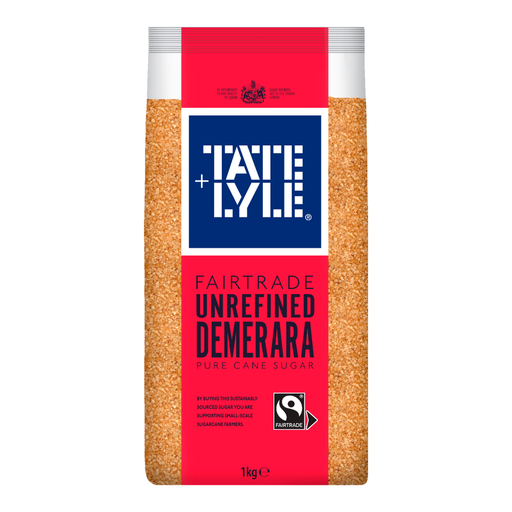
Why This Fits Their Persona: Suitable for shoppers who value a larger textured sugar for finishing bakes, coffee, cocktails and crumbles.
Its larger crystals are selected for texture and caramel notes, so it is not being confused with fine caster sugar for delicate mixtures.
1kg pack; crunchy crystal texture; listed as suitable for vegetarian, vegan and kosher diets.
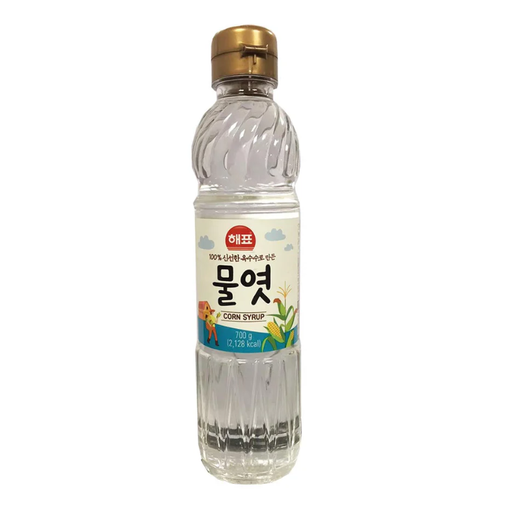
Why This Fits Their Persona: A practical choice for cooks preparing Korean marinades, tteokbokki sauces, glazes, snacks and other Asian recipes.
The ingredient list identifies maize starch, barley malt syrup and salt, helping shoppers distinguish it from golden syrup or a generic dessert topping.
700g jar; thick viscous texture; no cooking required for direct use. Contains barley, so check allergen suitability.
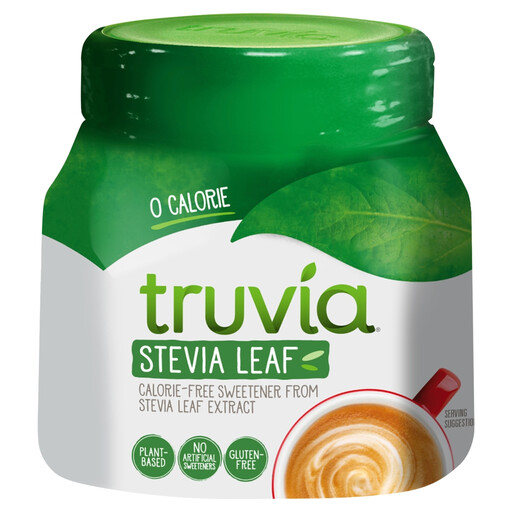
Why This Fits Their Persona: Granulated sweetener made with erythritol and steviol glycosides can be useful for shoppers sweetening drinks while checking energy and sugar values.
The nutrition panel states 0kJ/0kcal and 0g sugar per 100g, while also clearly identifying 99g polyols.
270g format; no listed allergens; storage at room temperature in a cool, dry place. Excessive consumption may have a laxative effect.
For traditional Chinese drinks and desserts, rock sugar can dissolve into tea, soups and sweet dishes. Taikoo Monocrystal Rock Sugar 300g contains single-crystal rock sugar, while YAN ZHI FANG Yellow Rock Sugar 200g offers small golden granules.
For richer bakes, dark muscovado or Tate & Lyle Dark Soft Brown Sugar adds moisture and molasses flavour to fruit cake, gingerbread and sticky toffee pudding. Golden syrup suits flapjacks and puddings, while black treacle brings a darker flavour to parkin, Christmas pudding and gingerbread.
For serving rather than baking, Maple Crest Pancake Syrup contains rice syrup, cane sugar and 5% maple syrup. Carnation Drizzle Caramel contains milk and is intended for topping pancakes, fruit, ice cream and desserts. Check storage instructions carefully, particularly after opening.
We have compiled a complete, real-time list of products that fully satisfy these strict selection criteria and UK safety regulations.
Both are refined sugar, but caster sugar has finer crystals. It generally dissolves more quickly and is commonly chosen for cakes, meringues, mousses and drinks. Granulated sugar can work in many recipes, but the texture and mixing time may differ.
Keep dry sugar in a sealed container in a cool, dry cupboard away from steam. Store syrup upright and follow the label after opening. Some products require refrigeration, and their recommended use periods can vary.
Not always. Stevia tablets are mainly designed for portioned sweetening of drinks, while granulated sweeteners may be used in selected recipes. Sugar contributes bulk, moisture, browning and structure, so check the product guidance before replacing it in a cake or biscuit recipe.