
24/7 Customer Support

Free returns

Same-day & Next-day Delivery

Quality Guaranteed

Unlock Your Welcome Offers: FREE Delivery | Up to 80% OFF | Free 30-day JoyPlus trial
Download the APP
Choosing between sugar and sweeteners is not simply a matter of picking the cheapest packet on the shelf. Crystal size, moisture, flavour, ingredients and intended use can all affect the result. UK shoppers may also need to consider Fairtrade sourcing, vegan or kosher suitability, allergens and whether a product is suitable for a specific recipe.
This guide explains the practical differences between popular sugar, syrup and alternative sweetener products, while highlighting common buying pitfalls.
Granulated sugar, caster sugar and icing sugar are not interchangeable in all applications. Fine caster sugar dissolves more readily in meringues and sponge mixtures, while granulated sugar is suitable for everyday drinks, preserves and general cooking. Icing sugar usually contains a small amount of maize starch to reduce clumping, which can affect recipes if substituted for another type.
Similarly, demerara sugar, muscovado sugar and dark soft brown sugar have different moisture levels and molasses content. Replacing one with another can change the texture, colour and flavour of a bake.
A sweetener may be derived from stevia or another source, but it still needs to be checked for its complete ingredient list and intended use. Some tabletop products contain bulking agents, such as erythritol, dextrose or maize starch. A tablet designed for tea or coffee may not provide the volume, browning or structure required for baking.
Check the nutrition panel rather than relying on front-of-pack wording. For example, a product described as calorie-free may show 0 kcal per serving, while its wider nutrition information can include polyols or other carbohydrates.
Moist sugars can dry out and harden, while icing sugar can absorb moisture and form lumps. Syrups may become difficult to pour if stored in a cold cupboard, and opened jars need a secure seal to prevent contamination.
A 2kg baking sugar pack may offer convenience for frequent bakers, but a smaller 500g or 454g pack can be more practical for occasional use and reduces the chance of products losing their preferred texture before they are finished.
Brown sugar is not one uniform product. Light brown sugar generally has a milder flavour, while dark soft brown sugar and dark muscovado provide a deeper treacly taste and more moisture. These characteristics are useful in recipes where a soft, chewy texture is wanted, but they may overpower delicate cakes.
Syrups also vary. Golden syrup gives a mild caramel sweetness, whereas black treacle has a darker, more concentrated molasses flavour. Black treacle can add colour and depth to parkin, gingerbread, Christmas pudding and savoury glazes, but a direct one-for-one substitution may noticeably alter the recipe.
Read the full label before purchase, particularly when buying imported products. Korean starch syrup and corn syrup can contain barley malt, amylase or other ingredients in addition to corn starch and water. Haepyo Starch Syrup, for example, lists barley as an allergen and advises refrigeration after opening for extended freshness.
For dietary preferences, look for clearly stated suitability rather than assuming all sugar is equivalent. Several cane sugar products are suitable for vegans, vegetarians or kosher diets, while Fairtrade sugar provides a sourcing certification that some shoppers may specifically want. Always check the current packaging, as formulations and certification details can change.
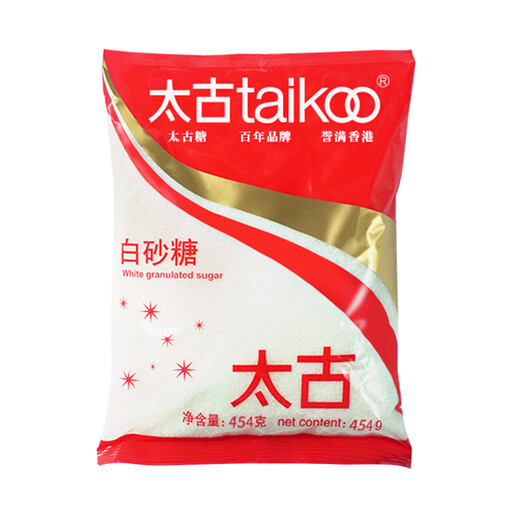
Why This Fits Their Persona: A straightforward 454g pack for shoppers building a basic baking and drinks cupboard without committing to a large quantity.
Its stated ingredient is white sugar, avoiding confusion caused by flavoured or blended products when a basic ingredient is required.
Fine white crystals; suitable for beverages, cooking, baking and desserts.
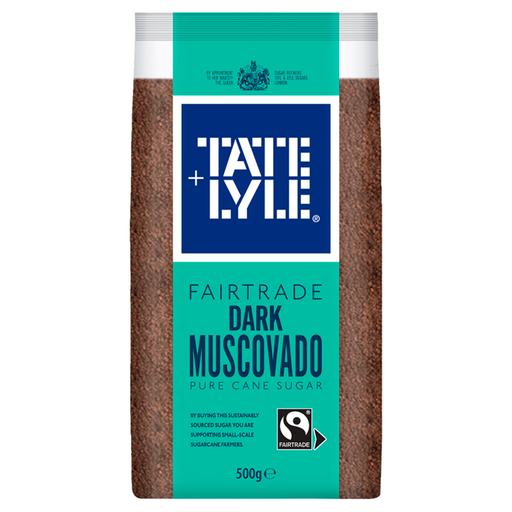
Why This Fits Their Persona: Suits bakers who value a pronounced molasses profile and Fairtrade sourcing for rich, dark recipes.
The product description identifies its high molasses content and intended uses, making its stronger flavour and moist texture clear before purchase.
100% pure cane sugar; suitable for vegans, vegetarians and kosher diets.
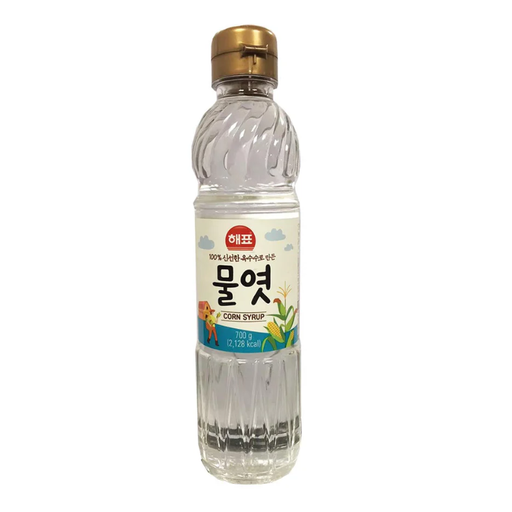
Why This Fits Their Persona: A practical choice for Asian cuisine enthusiasts preparing Korean marinades, tteokbokki sauces, snacks and desserts.
The listing specifies the thick texture, uses and barley allergen, helping shoppers distinguish it from standard golden syrup or corn syrup.
700g jar; no cooking required and suitable for marinades, sauces and confectionery.
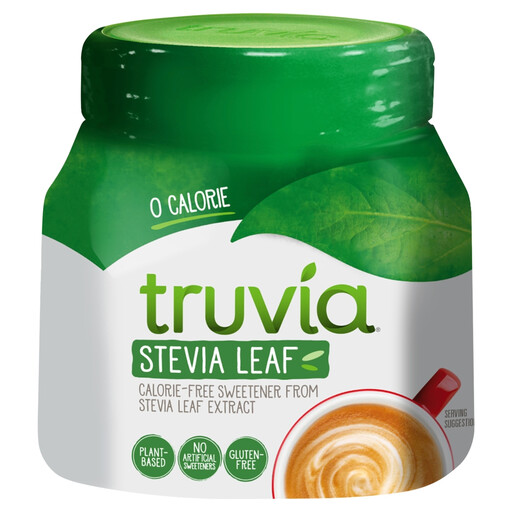
Why This Fits Their Persona: Designed for shoppers looking for a stevia-based option for everyday drinks and selected recipes.
The ingredient list states erythritol, steviol glycosides and natural flavour, so buyers can assess the blend rather than judging it by the stevia label alone.
270g format; nutrition information lists 0kJ/0kcal per 100g and warns that excessive consumption may have a laxative effect.
We have compiled a complete, real-time list of products that fully satisfy these strict selection criteria and UK safety regulations.
No. Both are white cane sugars, but caster sugar has finer crystals. It dissolves more quickly and is commonly selected for meringues, sponge cakes and drinks. Granulated sugar is more versatile for general cooking and sweetening.
Keep them in a cool, dry place and seal the packet or transfer the sugar to an airtight container after opening. This helps prevent moisture loss, hardening and clumping. If the sugar becomes firm, follow the product’s packaging guidance rather than adding water directly.
Not always. Sugar contributes sweetness, bulk, browning and texture. A stevia, xylitol or erythritol product may work in some recipes, but the result can differ in volume and moisture. Check whether the product is intended for baking and follow its suggested conversion ratio. Always review the ingredients and nutrition panel before buying.