
24/7 Customer Support

Free returns

Same-day & Next-day Delivery

Quality Guaranteed

Unlock Your Welcome Offers: FREE Delivery | Up to 80% OFF | Free 30-day JoyPlus trial
Download the APP
Buying sugar and sweeteners for a UK household can look straightforward until you compare crystal size, moisture, ingredients, portion formats and storage requirements. A large bag may be economical for baking, while a smaller speciality product could be more suitable for tea, traditional desserts or occasional drinks.
The main challenge is separating useful product information from vague marketing language. Whether you need granulated sugar, a hot drink sweetener, brown sugar or a reduced-calorie alternative, these checks can help you avoid waste and choose more confidently.
Brown sugars differ in moisture, colour, texture and flavour. Soft brown sugar and muscovado sugar usually bring molasses notes and moisture to cakes, gingerbread and sticky puddings. Demerara sugar has larger, crunchy crystals, making it more suitable for toppings, crumbles and drinks where texture is welcome.
A product described simply as “brown sugar” may not deliver the same result as muscovado sugar in a recipe. Check the ingredient list and the intended use before buying.
Some sugar substitutes reduce energy per serving, but the format and ingredients still matter. Morrisons Stevia Sweetener Tablets provide 0 kcal and 1 kJ per tablet, while the ingredients also include dextrose, maize starch and steviol glycosides. This makes the tablets convenient for portion control in tea or coffee, but they are not a direct one-for-one replacement for sugar in every baking recipe.
Xylitol sugar substitute is another option, but it may behave differently from granulated sugar in cakes, preserves and sauces. Keep products containing xylitol away from dogs, as xylitol can be dangerous to them.
Sugar absorbs moisture and odours. Fine caster sugar can clump, while soft brown sugar may dry and harden if the packet is left open. Syrups need a properly closed lid, and speciality sugars should generally be stored in a cool, dry place.
A 2 kg bag of caster sugar may suit frequent home bakers, but a 200–500 g pack can be more practical for occasional use or smaller kitchens.
Granulated sugar has relatively larger crystals and is a flexible choice for drinks, cooking and general baking. Caster sugar has finer crystals that dissolve more quickly and incorporate easily into batters, meringues and mousses. It is also convenient for sweetening hot drinks without adding much texture.
Cube sugar offers pre-portioned pieces for tea and coffee. It is useful when serving guests or when you prefer a consistent amount, although it gives less flexibility than loose sugar.
Rock sugar is formed into larger or smaller crystals, depending on the product. Small-granule varieties dissolve more readily in tea, soups, desserts and cooking liquids. Yellow rock sugar adds a warmer colour and slightly different presentation, but it remains a sugar product and should be measured accordingly.
For rich baking, muscovado sugar and dark soft brown sugar contain naturally retained cane molasses, giving them a moist texture and deeper caramel or treacle notes. They can support fruitcake, gingerbread, chocolate puddings and sticky toffee-style recipes.
Demerara sugar is better suited to recipes and drinks where a crunchy finish or light caramel character is wanted. Golden granulated sugar offers a warmer appearance than white granulated sugar and can be used for pancakes, cereal and hot drinks.
Speciality products such as ginger brown sugar, osmanthus brown sugar and jujube brown sugar combine sugar with additional flavouring ingredients. Review the full ingredient list rather than assuming that a traditional name indicates a lower-sugar formulation.
Most conventional sugars provide around 400 kcal and 100 g of carbohydrate per 100 g, although figures vary slightly between products. Rock sugar, brown sugar and demerara sugar are still sources of sugar, even when their colour or flavour differs.
For alternatives, check the nutrition panel per serving, not only per 100 g. Stevia sweetener tablets can be convenient for drinks, while xylitol may suit shoppers looking for a granulated substitute. Follow the product instructions and consider whether the sweetener is intended for drinks, cooking or baking.
Manuka honey is also a sugar-containing food rather than a sugar-free alternative. For example, the Egmont Honey product lists 71.3 g of sugars per 100 g. Its MGO 40+ rating is a product specification, not a reason to treat honey as a medicine. It is not suitable for infants under 12 months, and the packaging should always be checked before use.
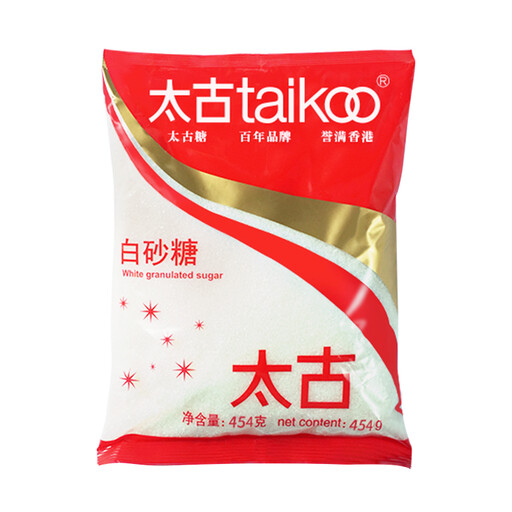
Why This Fits Their Persona: A practical smaller pack for households building a basic baking and hot-drink cupboard without committing to a large quantity.
The ingredient and nutrition information are straightforward, with no need to pay for speciality flavouring when standard sugar is all a recipe requires.
Fine crystals; suitable for beverages, cooking, baking and desserts; 454 g net quantity.
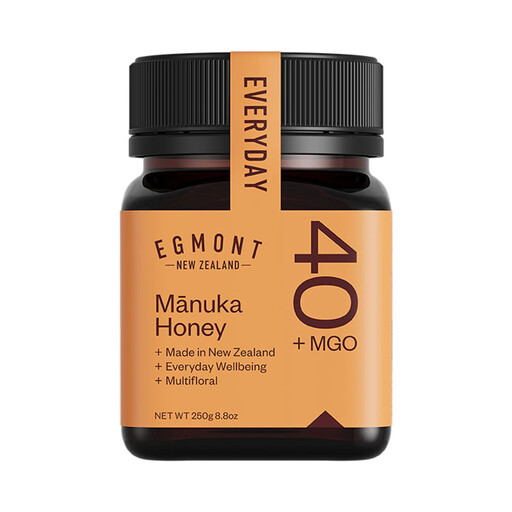
Why This Fits Their Persona: Suitable for shoppers seeking a distinctive honey for toast, porridge or warm drinks, with a clearly stated MGO rating and multifloral origin.
The label gives the MGO 40+ specification and nutrition values, helping shoppers distinguish a product detail from unsupported wellness promises.
100% multifloral honey listed; 250 g jar; MGO 40+ specification shown on the product information.
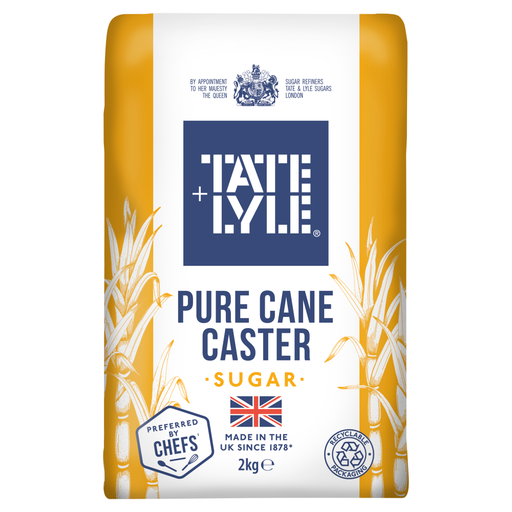
Why This Fits Their Persona: A 2 kg format for regular home bakers making cakes, meringues, mousses and other recipes that use fine sugar frequently.
The fine crystal format is selected for a specific baking function, rather than relying on a generic claim that one sugar suits every recipe equally.
2 kg pack; fine crystals; listed for baking, hot beverages and dessert preparation.
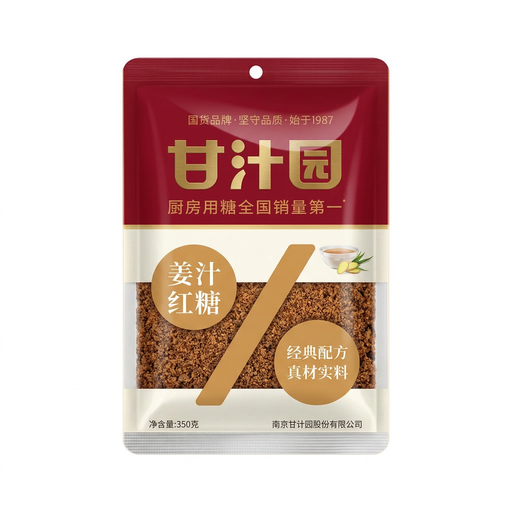
Why This Fits Their Persona: A convenient option for shoppers who enjoy ginger-flavoured hot drinks or want to add a warming flavour to desserts and soups.
The ingredients identify brown sugar and ginger, so the flavour profile is clear rather than implied by packaging or product naming alone.
350 g pack; contains brown sugar and ginger; instructions suggest dissolving approximately 10–15 g in hot water.
We have compiled a complete, real-time list of products that fully satisfy these strict selection criteria and UK safety regulations.
Caster sugar is generally practical for cakes, meringues and fine-textured desserts because its smaller crystals dissolve readily. Granulated sugar is suitable for many everyday recipes, while muscovado and soft brown sugars are chosen when moisture, colour and molasses flavour are wanted.
Yes, stevia sweetener tablets are designed for portioned use in hot drinks. The Morrisons product lists one tablet as providing sweetness similar to approximately one teaspoon of sugar, but taste preferences vary. Check the label because tablet products can contain bulking ingredients such as dextrose and starch.
Keep them in a cool, dry place away from steam and direct sunlight. Seal brown sugar, caster sugar and speciality products tightly after opening. Store syrup upright with the lid closed, and follow the packaging for use-after-opening guidance.