
24/7 Customer Support

Free returns

Same-day & Next-day Delivery

Quality Guaranteed

Unlock Your Welcome Offers: FREE Delivery | Up to 80% OFF | Free 30-day JoyPlus trial
Download the APP
Preparing sukiyaki at home can be straightforward, but choosing the right sukiyaki hot pot ingredients requires more than picking the first sauce or meat pack you see. UK shoppers often encounter products labelled “sukiyaki” that differ significantly in sweetness, saltiness, serving size and preparation method.
Three common buying traps are worth avoiding:
Use the guide below to compare Japanese sukiyaki ingredients, convenient alternatives and cookware for a shared meal.
Traditional Japanese-style sukiyaki usually has a sweet and savoury liquid made with ingredients such as soy sauce, sugar and mirin. A sukiyaki sauce may be ready to simmer with ingredients, or it may be a concentrate requiring water or dashi stock.
For example, DAISHO Sukiyaki Hot Pot Soup Base advises a dilution of one part base to three or four parts water. HAIDILAO Sukiyaki Hot Pot Soup Mix is designed to be added to approximately 500ml of water. Mae Pranom Cantonese-style sauce suggests dilution with water or stock, typically at a ratio of one part sauce to two or three parts liquid.
Cantonese sukiyaki sauce can contain a different balance of sugar, chilli, garlic, sesame and tomato. This creates a more strongly seasoned profile than a Japanese sukiyaki sauce, so check the label before adding extra seasoning. If you are serving children or guests with different preferences, keep additional stock or water available for adjustment.
Thinly sliced beef is among the most popular sukiyaki hot pot ingredients because it cooks rapidly in simmering liquid. Hotpot beef slices should be added in small batches and cooked thoroughly, following the product instructions.
Celeplate Japanese Wagyu Hotpot Slices are made from beef Wagyu and supplied frozen in a 100g pack. The product instructions recommend dipping slices into simmering broth for 5 to 10 seconds until just cooked through. Its higher fat content can add richness, but the pack size may suit a small serving or a mixed-meat meal rather than a large group.
Brisket tendon slices offer a different experience. The Celeplate Brisket Tendon Hotpot Slices come in a 150g pack and are described as having a balance of chewiness and tenderness. They are also intended for a short cooking time of approximately 5 to 8 seconds. Do not assume that every sliced beef product has the same cooking requirement: always follow the packaging and ensure meat is cooked safely.
Check the allergen panel carefully. Common Japanese sukiyaki ingredients may contain soy, wheat, gluten, fish or sesame. DAISHO’s soup base contains wheat, soy and bonito fish, while Healthy Boy Sukiyaki Cantonese Style Sauce contains soy, sesame and wheat. The meal kit also includes tofu and udon noodles, which add soy and gluten considerations.
Frozen meat should remain at -18°C or below. Once defrosted, the supplied product information advises refrigeration and consumption within 48 hours, with no refreezing. Plan portions before thawing to reduce waste.
For cookware, look for a sufficiently wide cooking surface and check whether the pot is compatible with your hob. A sukiyaki pot designed for induction, gas, ceramic and electric cookers offers more flexibility in UK kitchens. A lid can also help retain heat between servings, although guests should be careful around hot liquid and steam.

Why This Fits Their Persona: A compact option for first-time cooks who want to prepare a small hot pot without committing to a large bottle.
The pack states how to dilute the mix, helping prevent the common mistake of using concentrated seasoning at full strength.
100g format; suitable for hot pot, noodle soup or simmering sliced beef and vegetables.
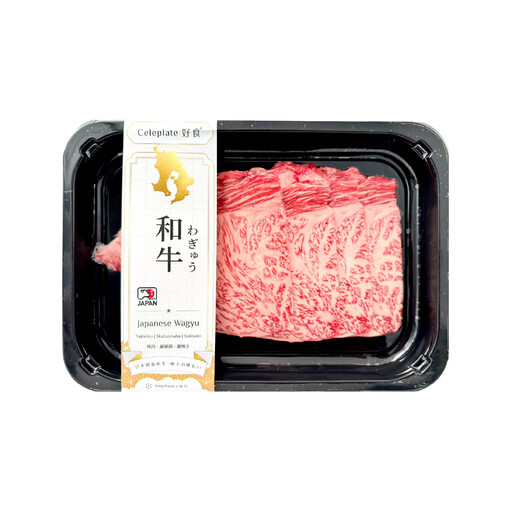
Why This Fits Their Persona: Suits diners who want Japanese Wagyu hotpot beef as a rich centrepiece for a smaller shared meal.
The listing specifies the cut, 100% Wagyu composition, frozen storage and short cooking method rather than relying only on premium wording.
Beef Wagyu 100%; thin slices are suitable for sukiyaki and shabu shabu.
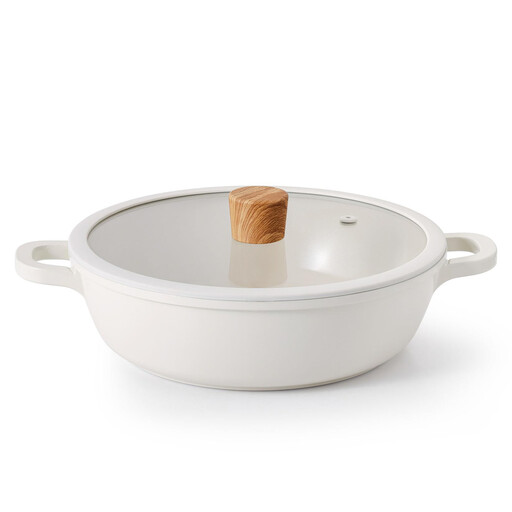
Why This Fits Their Persona: Designed for households that regularly prepare sukiyaki, one-pot meals, curries and other shared dishes.
The stated 28cm diameter and multi-hob compatibility make it easier to check fit before purchase, reducing the risk of unsuitable cookware.
Compatible with induction, gas, ceramic, halogen and electric cookers; includes a tempered glass lid.
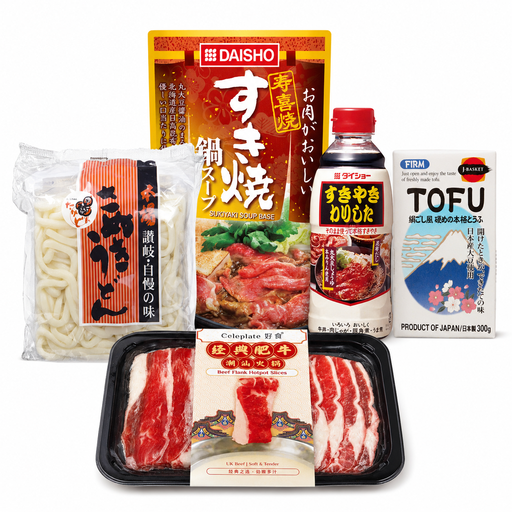
Why This Fits Their Persona: Useful when you want several core components together for a family meal or group gathering.
The bundle lists its contents, including tofu, beef, sauce, soup base and udon, so shoppers can identify missing items before ordering.
Includes multiple meal components; ambient tofu and udon simplify preparation alongside fresh vegetables.
Add ingredients in stages so that delicate items do not become overcooked. A practical shopping list includes:
For a larger group, DAISHO Sukiyaki Sauce 600g provides a Japanese-style sauce containing soy sauce, sugar, mirin and kelp extract. For a Cantonese-style flavour, Healthy Boy 810g or Mae Pranom 250g offers a different seasoning direction. Compare bottle size with the number of meals you expect to prepare, and refrigerate opened products according to the label.
We have compiled a complete, real-time list of products that fully satisfy these strict selection criteria and UK safety regulations.
Start with a sweet-savoury sauce or soup base, thinly sliced beef, tofu, leafy vegetables, mushrooms and noodles. You can adjust the selection according to dietary needs and the number of diners.
Many shabu shabu ingredients, including thinly sliced beef, tofu, mushrooms, cabbage and noodles, can also be used for sukiyaki. The main difference is the cooking liquid: shabu shabu commonly uses a lighter broth, while sukiyaki generally uses a more concentrated sweet and savoury sauce.
Follow the product label because concentration varies. Some products require dilution with water or stock, while others can be added directly during cooking. Add less initially and adjust gradually, particularly with sauces that contain around 5g or more of salt per 100g.