
24/7 Customer Support

Free returns

Same-day & Next-day Delivery

Quality Guaranteed

Unlock Your Welcome Offers: FREE Delivery | Up to 80% OFF | Free 30-day JoyPlus trial
Download the APP
A sunny forecast can turn into an uncomfortable day if your sun protection is chosen around packaging claims rather than real usage. Cyclists may buy sleeves that slip during a ride, beachgoers may apply too little sunscreen, and drivers may select sunglasses that reduce glare but provide unclear UV protection.
Three common pitfalls deserve attention:
The right choice depends on your exposure, movement, skin preferences and how often you are prepared to reapply.
For extended outdoor activity, check the labelled SPF level and whether the product provides UVA and UVB protection. SPF30 tanning oil lotion may suit routine exposure when applied generously, while SPF50 sunscreen spray offers a higher SPF rating for users who prefer a higher-protection option.
SPF is not a measure of how long you can safely remain outside. Apply sunscreen generously before exposure, cover often-missed areas such as ears, shoulders, feet and the back of the neck, then reapply regularly. Follow the product instructions, especially after swimming, sweating or towelling.
Also check the packaging for a clearly stated UVA rating or symbol. No sunscreen provides complete protection, so clothing, shade and sensible breaks remain important parts of outdoor sports sun protection.
A water-resistant sun cream or lotion can be practical for beach holidays, running and cycling, but “water-resistant” does not mean permanent protection. Reapplication is still required after water exposure and drying with a towel.
Sprays can spread quickly across the body, although you must use enough product and rub it in evenly. Avoid spraying directly towards the face. A lotion may provide more control over coverage, particularly around the shoulders and upper chest.
If you have sensitive skin or react to fragrance, review the ingredient list and discontinue use if irritation occurs. Always follow the product’s directions and warnings.
For cycling sun sleeves, look for a close but comfortable fit that does not restrict movement. Elasticity, sleeve length and the possibility of slipping are more relevant than colour alone. Wash and store sleeves according to the care instructions so the fabric remains usable.
When selecting UV400 cycling sunglasses, check the stated UV protection and lens material. Polarised lenses can reduce reflected glare from roads, water and vehicle surfaces, which may be useful for cycling, driving and running. They are not suitable for direct solar observation, and scratched or damaged lenses should be replaced.
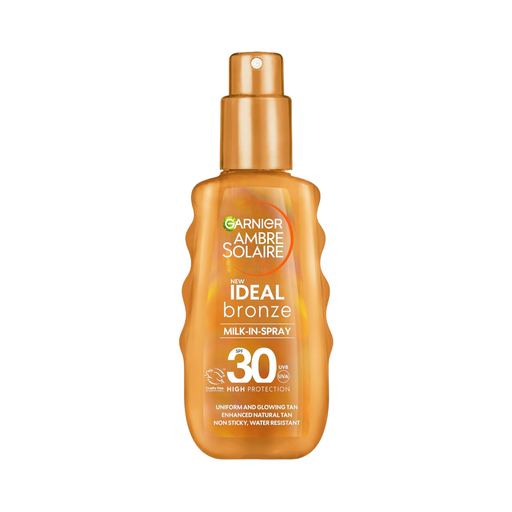
Why This Fits Their Persona: A practical body-spray format for shoppers wanting one SPF50 product for commuting, day trips and holidays without buying separate formulas for different outdoor occasions.
Its SPF50 label and stated UVA/UVB protection make the protection level easier to compare than a product marketed only around tanning.
150ml milk-in spray; stated very water-resistant formula; directions specify reapplication every two hours and after swimming, towelling or sweating.
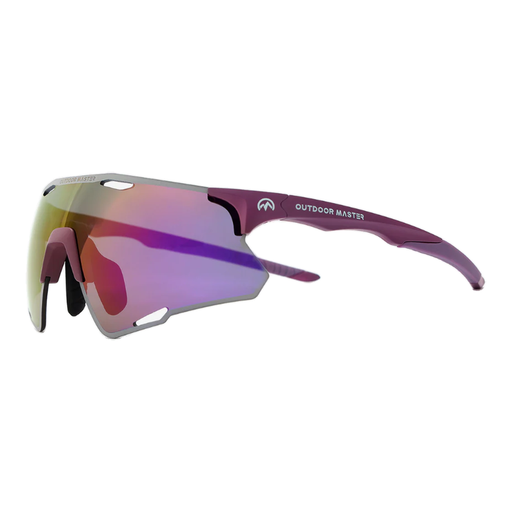
Why This Fits Their Persona: Suited to cyclists, runners and drivers who value adjustable fit, glare reduction and a lightweight frame for longer periods outdoors.
The specification lists UV400 protection, rather than relying solely on a fashion-led description. Adjustable nose pads also help address movement and poor fit.
25.5g TR90 frame; polycarbonate polarised lenses; ventilated design; prescription inner frame included.
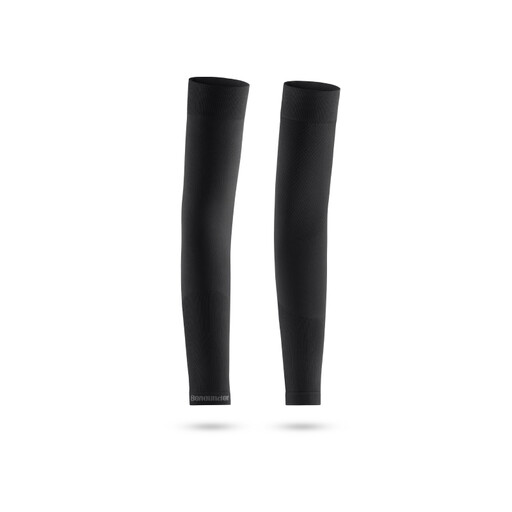
Why This Fits Their Persona: A unisex one-size option for cyclists, commuters and outdoor workers who prefer a wearable layer instead of repeatedly applying sunscreen to their arms.
The high-elasticity design is more relevant to active movement than a loose fashion sleeve. Check the one-size fit before purchase, particularly if your arm measurements differ significantly.
Midnight black colour; unisex design; high-elasticity construction; intended for cycling, outdoor sports and commuting.
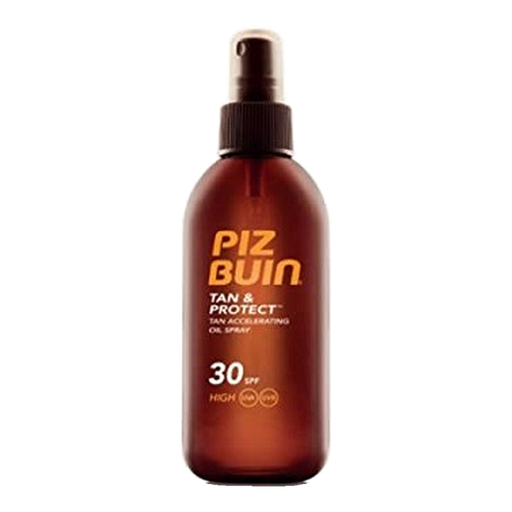
Why This Fits Their Persona: Designed for adults seeking a tanning-focused formula for holidays or regular outdoor exposure while still wanting labelled SPF30 coverage.
The product states broad-spectrum UVA/UVB protection and gives a quantity guide of approximately three tablespoons for full-body coverage, helping counter under-application.
150ml fluid lotion; water-resistant specification; vitamin E and glycerin listed; reapply after sweating, swimming or towelling. According to the brand’s own product information, Illumitone is intended to support a faster tanning response.
We have compiled a complete, real-time list of products that fully satisfy these strict selection criteria and UK safety regulations.
It can be convenient for exposed areas before a ride, provided it is applied generously and evenly. Rub it in where directed, avoid spraying into the face and reapply after heavy sweating. Sunglasses, sleeves and other clothing can provide additional coverage.
No sunscreen should be treated as a guarantee against tanning or burning. An SPF30 tanning oil lotion is designed to provide labelled UV protection while supporting a tanning-focused cosmetic result. According to the brand’s own information, some formulas contain ingredients intended to intensify the tanning process. Follow the instructions and avoid prolonged exposure.
Check the sunscreen’s printed expiry date and storage guidance. Once opened, follow the stated period-after-opening symbol or instructions. Sleeves and sunglasses may remain usable longer, but inspect them regularly: stretched fabric, loose seams, cracked frames, clouded lenses or scratches are reasons to replace them.