
24/7 Customer Support

Free returns

Same-day & Next-day Delivery

Quality Guaranteed

Unlock Your Welcome Offers: FREE Delivery | Up to 80% OFF | Free 30-day JoyPlus trial
Download the APP
Choosing sun cream can seem straightforward until you compare SPF ratings, UVA symbols, skin-specific formulas and water-resistance claims. A low-priced bottle may not suit your face, while a facial sunscreen may be impractical for covering the whole family. Marketing language can also make products appear more capable than they are.
This guide explains the specifications that matter, highlights common buying mistakes and matches different needs with suitable options available from Joybuy.
SPF mainly indicates protection against UVB, the radiation associated with sunburn. It does not by itself describe UVA protection, which is linked to longer-term skin damage and pigmentation. Look for a clear UVA symbol, a star rating or wording confirming UVA and UVB protection.
A product labelled SPF50+ is not a reason to stay outdoors indefinitely. No sunscreen provides complete protection, so shade, clothing, a hat and sunglasses remain important.
Water-resistant sunscreen can be useful at the beach, swimming pool or during outdoor exercise, but it still needs reapplying. Swimming, sweating and towel drying can reduce coverage. Check the packaging instructions and reapply generously, rather than relying on a single morning application.
A gradual tan moisturiser or self-tan lotion can create a bronzed appearance without deliberate sun exposure, but it usually does not contain sunscreen. A product that helps develop colour is not automatically a sun cream. If you use a self-tan lotion before going outside, apply a separate broad-spectrum sunscreen once it has absorbed.
For holidays, strong sunlight and prolonged outdoor activity, many shoppers choose SPF50 sun cream. SPF30 can be suitable for everyday exposure when applied correctly, but the protection level depends heavily on using enough product and reapplying.
For the face, select a dedicated face sunscreen with a finish you can comfortably wear every day. Lightweight, non-greasy formulas are often more compatible with make-up and regular commuting.
People with reactive or easily irritated skin should review the ingredient list and consider a sensitive skin sunscreen. Fragrance-free options may be preferable for some users, although “hypoallergenic” does not guarantee that every individual will tolerate a product. A patch test can help identify possible irritation before full application.
For body use, a spreadable lotion or non-greasy sun lotion can make generous application easier. Facial fluids and serums tend to come in smaller sizes because they are designed for more targeted use.
Using too little sun cream significantly reduces the stated protection. Apply generously before exposure, cover commonly missed areas such as ears, shoulders, feet and the hairline, and reapply after swimming, perspiring or towelling.
Children require additional care. Babies and young children should be kept out of direct sunlight where possible, with protective clothing and shade used alongside kids’ sunscreen. Always check the stated age suitability.
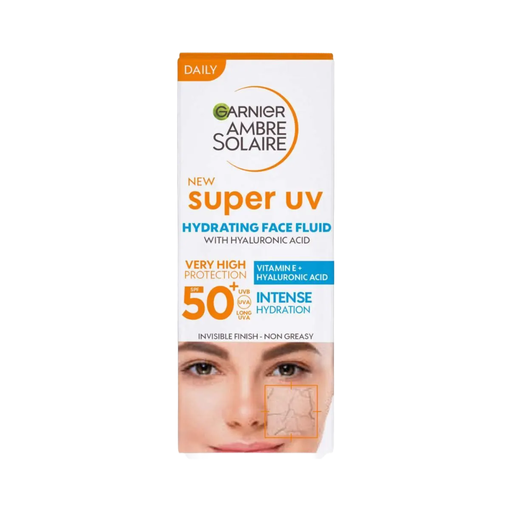
Why This Fits Their Persona: Designed for daily facial use, this compact fluid suits commuters and beauty-conscious shoppers who want SPF50+ protection under make-up.
Its SPF50+ rating is paired with stated UVA, UVB and long UVA coverage, rather than relying on an SPF number alone.
40ml ultra-light fluid; non-comedogenic formula with an invisible finish; contains glycerin, vitamin E and Vitamin Cg.
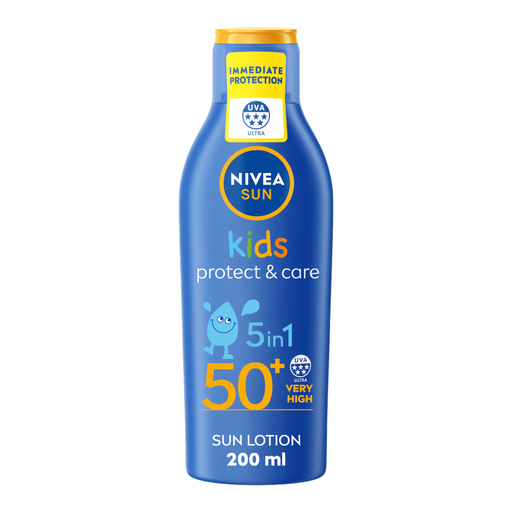
Why This Fits Their Persona: A 200ml lotion is practical for families managing school trips, park visits and active holidays, particularly for children aged three and above.
The product information specifies extra water resistance and reapplication after swimming, sweating or towel drying.
SPF50+ UVA and UVB protection; panthenol, vitamin E and vitamin C; fast-absorbing lotion in a 200ml bottle.
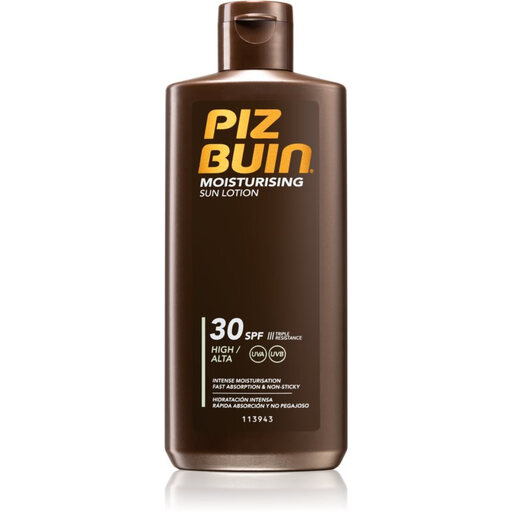
Why This Fits Their Persona: This larger body lotion offers a straightforward option for daily commuting, garden use and outdoor activities where hydration is also a priority.
Its stated water- and sweat-resistant properties are useful for active days, but the directions still require regular reapplication.
SPF30 broad-spectrum protection; 200ml format; moisturising, lightweight texture described as non-greasy.
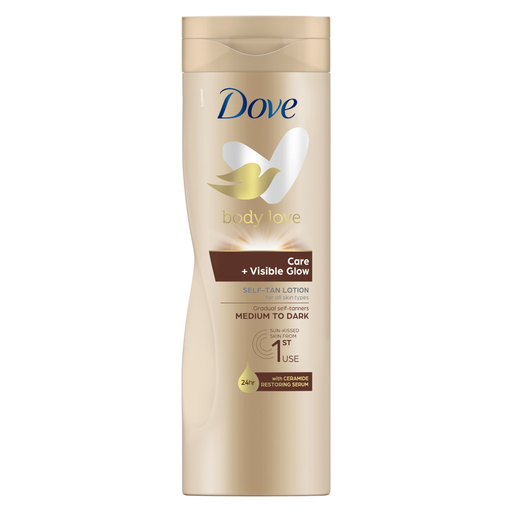
Why This Fits Their Persona: Suitable for shoppers wanting buildable colour without intentionally seeking a tan through sun exposure.
The product information clearly states that it contains no sunscreen, so it does not encourage users to mistake self-tan for UV protection.
400ml body lotion; contains DHA for gradual colour development; moisturising formula with a medium-to-dark shade direction.
We have compiled a complete, real-time list of products that fully satisfy these strict selection criteria and UK safety regulations.
Sun protection is only one part of a warm-weather routine. An after-sun lotion can provide a moisturising step after washing and sun exposure, but it should not be applied to severely painful, blistered or damaged skin without seeking appropriate medical advice. Piz Buin After Sun Tan Intensifying Moisturising Lotion contains shea butter and is designed for post-sun moisturising.
For a no-sun glow, choose a gradual tan moisturiser or self-tan lotion. Exfoliate lightly, apply evenly to clean, dry skin, wash your hands afterwards and allow the product to dry before dressing. A tan-enhancing sunscreen still requires normal sunscreen precautions; its tanning feature does not remove the need for shade and reapplication.
SPF50 can be a sensible choice for fair or sensitive skin, children, strong summer sunlight and extended outdoor activities. SPF30 may suit routine exposure when applied generously and reapplied as directed. UVA coverage and application habits matter alongside the SPF number.
Reapply frequently, particularly after swimming, sweating or towel drying. Follow the product label, as water resistance does not mean permanent coverage. Apply enough to cover all exposed skin and avoid deliberately extending time in direct sunlight.
No. Gradual tan products containing DHA create colour but do not necessarily provide UVA or UVB protection. Use a separate face or body sunscreen whenever you are exposed to sunlight, even if your skin has a visible tan.