
24/7 Customer Support

Free returns

Same-day & Next-day Delivery

Quality Guaranteed

Unlock Your Welcome Offers: FREE Delivery | Up to 80% OFF | Free 30-day JoyPlus trial
Download the APP
As a Joybuy Product Recommendation Officer, my role is to help you navigate the crowded shelves of sun care products. With so many options, it's easy to fall for marketing claims that don't hold up under the British sun (or on your holiday abroad). This guide will help you understand what truly matters in a sun cream and how to choose one that fits your needs without the guesswork.
Before you buy, be aware of these common traps that can leave your skin unprotected and your money wasted.
To ensure you're getting effective protection, focus on these three non-negotiable features.
This is the single most important factor. Your sunscreen must protect you from both types of harmful UV radiation.
The texture and application method can make all the difference in whether you use your sunscreen consistently.
If you have particular skin concerns, checking the ingredient list is crucial.
Based on these practical criteria, here are some standout options matched to different user needs.
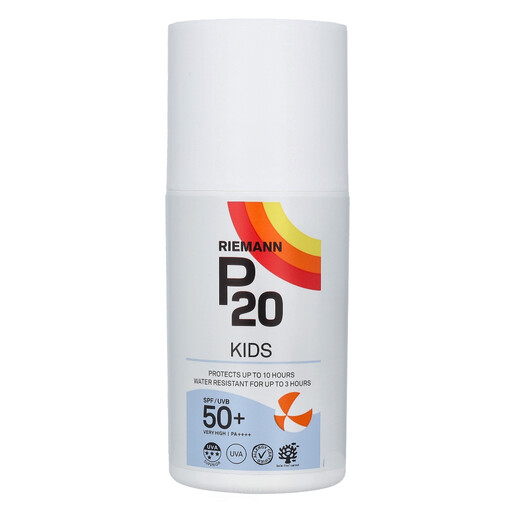
Why This Fits Their Persona: Ideal for UK families heading to the beach or park. This formula is specifically designed for children's delicate skin and provides a high level of water resistance, perfect for paddling and playing without constant worry.
It clearly states its high water resistance is for up to 3 hours, avoiding the vague "waterproof" trap. It also offers superior UVA protection, ensuring it's not just relying on its high SPF number.
Specifically formulated for children's sensitive skin; fragrance-free and dermatologically tested. High SPF 50+ and very high UVA protection.
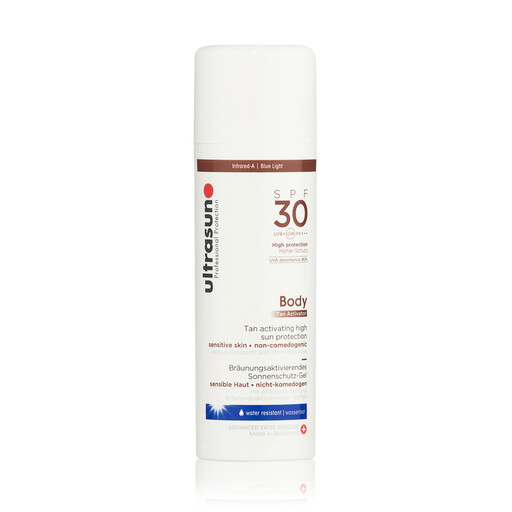
Why This Fits Their Persona: For those who love a natural, sun-kissed glow but refuse to compromise on protection. This formula is designed to support the skin's own tanning process while providing reliable defence, making it perfect for a sunny holiday.
It provides broad-spectrum protection using advanced lamellar technology, ensuring you are not sacrificing safety for a tan. It is also water-resistant and requires reapplication, countering the "once-a-day" myth.
Contains an ingredient that helps accelerate the skin's natural tanning process. The formula is lightweight, fast-absorbing and non-greasy.
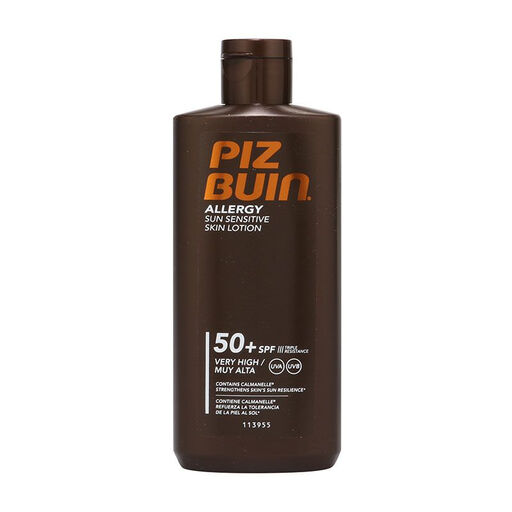
Why This Fits Their Persona: For the daily commuter or anyone whose skin reacts easily to sun and standard sunscreens. This lotion was developed with dermatologists to provide high protection while actively soothing and strengthening the skin's resilience.
It provides very high, photostable UVA/UVB protection, addressing the need for comprehensive broad-spectrum defence. The formula is also sweat and water-resistant, with clear guidance on reapplication.
Features an anti-irritant shield complex and is enriched with an antioxidant to help calm sun-sensitive skin. It absorbs quickly with a non-greasy finish.
We have compiled a complete, real-time list of products that fully satisfy these strict selection criteria and UK safety regulations.
A common mistake is not applying enough. The general guideline for an adult is to use approximately two teaspoons of lotion for the head, arms and neck, and about two tablespoons for the entire body. For the face, the "two-finger rule" is a helpful measure: squeeze a line of lotion onto your index and middle fingers, and that's the amount you should apply to your face and neck.
It's best to check the packaging. Most sunscreens have a "Period After Opening" (PAO) symbol, which looks like a small open jar with a number followed by "M" (e.g., "12M"). This indicates the product should be used within 12 months of opening. If it's past that date, or if the colour, smell or consistency has changed, it's time to replace it as its effectiveness may be reduced.
They protect your skin in different ways. Mineral sunscreens (containing zinc oxide and/or titanium dioxide) sit on top of the skin and physically block UV rays. They are often preferred for sensitive skin. Chemical sunscreens absorb into the skin and convert UV radiation into heat, which is then released. They are often lighter in texture and don't leave a white cast. Both are effective when used correctly.