
24/7 全天候客户支持

免费退货

当日/次日达

品质保障

开启新人专享福利: 全场免邮 | 低至 2 折 | 免费试用 30 天 JoyPlus 会员
下载 Joybuy
As a Joybuy Product Recommendation Officer, my role is to help you navigate the crowded shelves and find products that genuinely work for your needs. When it comes to sun cream, the UK market is filled with options, but not all deliver on their promises. Let's look at how to choose wisely and protect your skin effectively.
Many of us have bought a sun cream only to find it greasy, ineffective or irritating. This often happens because we fall for common marketing claims that don't tell the whole story. Here are two major traps to avoid:
To make a smart purchase, focus on these non-negotiable features. They are the true indicators of an effective sun cream.
True sun safety comes from shielding your skin from both types of harmful UV rays.
The right texture can be the difference between a product you love and one that sits in the cupboard.
Based on these practical criteria, here are some sun creams suited to different needs and lifestyles.
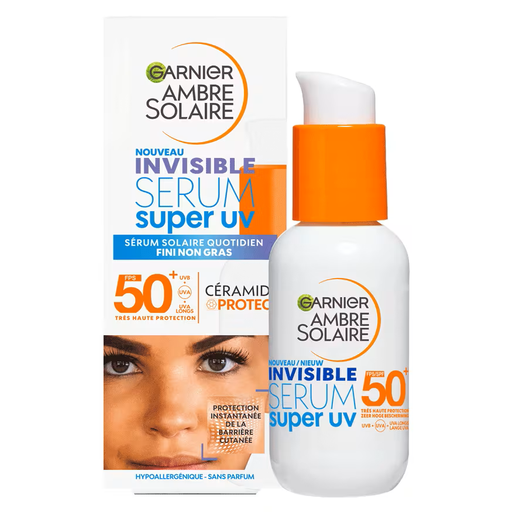
Why This Fits Their Persona: Perfect for everyday use in the UK, whether it's a cloudy Monday or a sunny Friday. Its lightweight serum texture is designed to be worn under makeup without feeling heavy or greasy, making daily sun protection effortless.
It provides very high SPF 50+ and broad-spectrum protection against both UVA and UVB rays, ensuring you're not just protected from burning but also from premature ageing.
The invisible fluid texture absorbs instantly without white marks, making it suitable for all skin tones. It is also enriched with Ceramide to help reinforce the skin's natural barrier.
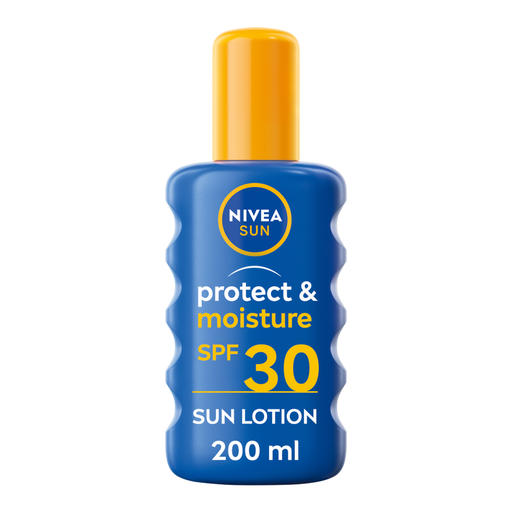
Why This Fits Their Persona: This is a practical choice for family trips to the beach or park. The 200ml bottle offers good value, while the moisturising and water-resistant formula is ideal for active days and repeated application on everyone.
It is clearly labelled as 'water resistant' and the directions stress the need for frequent reapplication, directly countering the 'once-a-day' and 'waterproof' myths.
It provides immediate UVA and UVB protection and keeps skin moisturised for up to 48 hours. The formula is 78% biodegradable and free from certain UV filters like Octinoxate and Oxybenzone.
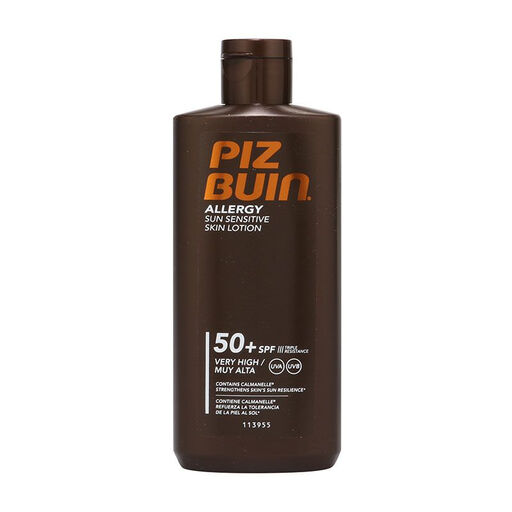
Why This Fits Their Persona: For those whose skin reacts easily to the sun or new products, this is a considered choice. It's a **sun cream for sensitive skin** that was developed with dermatologists to be gentle while providing very high protection.
It offers very high, broad-spectrum SPF 50+ protection, ensuring sensitive skin gets the robust UVA and UVB defence it needs, going far beyond just a basic SPF rating.
It contains a unique anti-irritant shield complex called Calmanelle and the antioxidant Feverfew PFE to help strengthen the skin's resilience to the sun. It is also sweat and water-resistant.
We have compiled a complete, real-time list of products that fully satisfy these strict selection criteria and UK safety regulations.
A common mistake is not applying enough. For your face and neck, a good guide is the "two-finger rule": squeeze a line of lotion onto your index and middle fingers. For your body, the general recommendation is about one shot glass worth (around 30ml) to cover all exposed areas.
Yes, it does. Most products have a "Period After Opening" (PAO) symbol on the packaging, which looks like an open jar with a number (e.g., "12M"). This indicates it should be used within 12 months of opening. The protective ingredients can degrade over time, so using an old bottle from last summer is not advisable.
While you can, it's often better to use a dedicated face sun cream. Formulations for the face are typically lighter, non-comedogenic (less likely to clog pores) and designed to sit well under makeup. Body lotions can sometimes feel too heavy or greasy for facial skin.