
24/7 Customer Support

Free returns

Same-day & Next-day Delivery

Quality Guaranteed

Unlock Your Welcome Offers: FREE Delivery | Up to 80% OFF | Free 30-day JoyPlus trial
Download the APP
Combining skincare and sun protection can simplify a morning routine, but not every sun cream and moisturiser offers the same level of coverage or comfort. A lightweight SPF moisturiser may suit a commute, while a dedicated facial sunscreen or body sun lotion is more practical for prolonged outdoor exposure.
The main challenge is separating useful product information from marketing language. Before buying, look beyond claims such as “all-day”, “invisible” or “waterproof” and check the protection rating, application guidance, ingredients and intended use.
SPF primarily indicates protection against UVB, the rays associated with sunburn. It does not, by itself, explain the full UVA performance. For broader coverage, look for wording or symbols showing UVA and UVB protection, such as a UVA mark on products sold in the UK.
An SPF 15, SPF 20 or SPF 25 moisturiser may be convenient for ordinary low-exposure routines, but it may not be the right choice for long periods outdoors. An SPF 30 sun cream or SPF 50 sun cream is generally more suitable when exposure is stronger or prolonged.
A moisturising sunscreen can feel comfortable and absorb quickly, but using a small amount lowers the protection achieved. This is particularly easy to do with facial fluids and day creams. Apply evenly to the face, neck and other exposed areas and follow the packaging instructions.
For body products, apply generously before going outdoors. Reapply after swimming, sweating or towel-drying, even where the label describes the formula as water-resistant.
Water-resistant sun lotion is designed to retain protection for a stated period during water exposure or sweating; it is not unaffected by swimming, towelling or friction. Check the product instructions and reapply regularly. No sunscreen replaces shade, clothing, a hat and avoiding excessive midday exposure.
Use the intended activity as your starting point:
SPF ratings are not a simple percentage scale, so SPF 50 is not twice as strong as SPF 25. Correct quantity and reapplication remain essential. For daily UV protection, choose a product that clearly identifies both UVA and UVB coverage.
An SPF moisturiser may include humectants such as glycerin or hyaluronic acid to support a hydrated feel. Ingredients such as niacinamide, vitamin E or panthenol may also appeal to shoppers looking for a more complete skincare routine, but individual tolerance varies.
For sensitive skin sunscreen, check the full ingredient list rather than relying only on front-of-pack wording. Fragrance-free options may be preferable for people who know they react to fragrance. A patch test can help identify potential irritation before regular use. Avoid applying sunscreen to broken or irritated skin and stop using it if discomfort develops.
A facial sunscreen usually has a lighter finish and may sit better under make-up. A body sun lotion is normally supplied in a larger bottle and is designed for generous application across arms, legs and torso. Children’s sun cream should have a suitable high SPF, clear age guidance and reapplication instructions.
Do not use a small facial product as the only family supply: 40–50ml may be convenient for one person’s face, whereas a 175–200ml bottle is more practical for repeated body application.
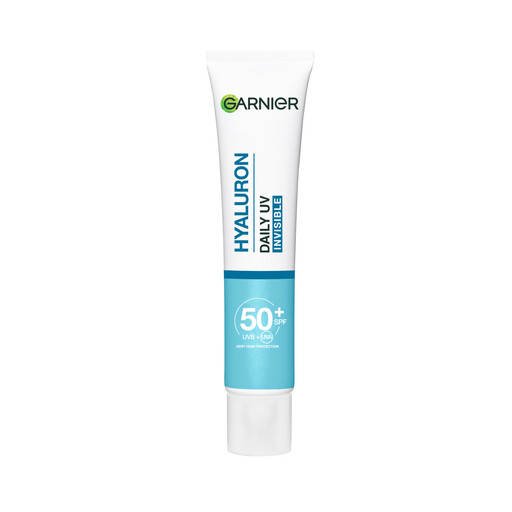
Why This Fits Their Persona: A compact facial UV fluid for shoppers wanting high daily protection and hydration in one step before work, errands or make-up.
Its stated SPF50+ rating and UVA, UVB and long-UVA coverage make the protection level easier to compare than a low-SPF day cream.
Contains hyaluronic acid and glycerin; the product description states a non-greasy, non-sticky finish without white traces.
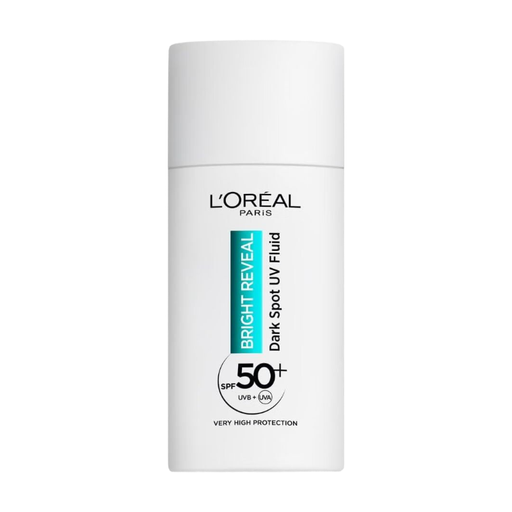
Why This Fits Their Persona: Suits shoppers seeking a high-SPF facial sunscreen with a lightweight finish that can be worn beneath make-up.
The listed formula is fragrance-free and the product is described as leaving no white cast, addressing common concerns with layered skincare.
Provides SPF50 UVA/UVB protection and includes vitamin C derivative and vitamin E in its listed ingredients.
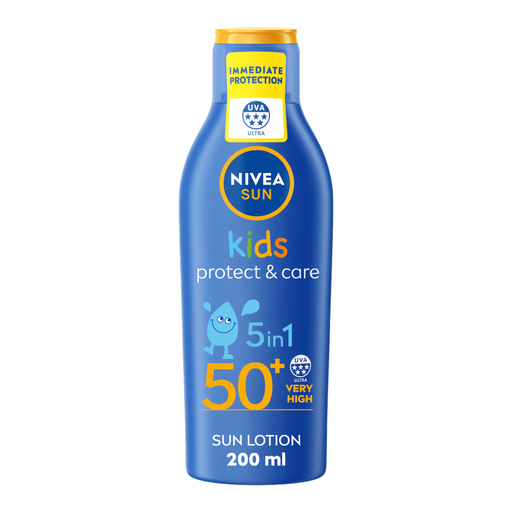
Why This Fits Their Persona: Designed for families managing outdoor play, holidays and repeated application on children aged 3 years and above.
The label specifies SPF50+, extra water resistance and frequent reapplication after swimming, perspiration or towelling.
The 200ml lotion includes panthenol, vitamin E and vitamin C, with paediatrician and dermatological skin-compatibility approval stated in the listing.
We have compiled a complete, real-time list of products that fully satisfy these strict selection criteria and UK safety regulations.
Usually, it should not be treated as the only measure of protection during prolonged exposure. A dedicated facial sunscreen or high-SPF product may be more suitable, provided it is applied generously and reapplied. Add shade, protective clothing and a hat.
SPF 30 may suit many everyday outdoor situations, while SPF 50 or SPF 50+ provides a higher labelled level of UVB protection for extended exposure, children and people who prefer a wider margin for application differences. Check that the product also indicates UVA protection.
Some products are specifically formulated as moisturising sunscreen and may be comfortable on their own. If your skin needs more hydration, apply a separate moisturiser first and allow it to absorb before using facial sunscreen. Always follow the product directions and check for ingredients that may not suit your skin.