
24/7 全天候客户支持

免费退货

当日/次日达

品质保障

开启新人专享福利: 全场免邮 | 低至 2 折 | 免费试用 30 天 JoyPlus 会员
下载 Joybuy
Choosing the right sun cream SPF 30 can feel like navigating a minefield of marketing claims. With promises of "all-day protection" and "invisible finishes," it's easy to end up with a product that feels greasy, leaves a chalky residue or worse, doesn't provide the reliable protection you need. As a Joybuy Product Recommendation Officer, my role is to help you see past the hype and focus on what truly matters for effective sun care.
Before you add another bottle to your basket, let's look at a few common pitfalls that lead to disappointing purchases:
To avoid these traps, focus on three core parameters. Getting these right ensures your sun cream works for your skin and lifestyle.
The SPF (Sun Protection Factor) number only tells you about protection from UVB rays, which are the primary cause of sunburn. However, UVA rays penetrate deeper into the skin, contributing to premature ageing and increasing the risk of skin cancer. Always look for the term "Broad-Spectrum" on the label. In the UK and EU, you should also look for the UVA logo (the letters 'UVA' inside a circle), which guarantees the UVA protection is at least one-third of the SPF value.
Sunscreen is no longer a one-size-fits-all product. The texture and format are crucial for ensuring you'll actually want to wear it every day.
If you plan on swimming or exercising outdoors, a water resistant sun cream is essential. Regulations require labels to state how long the SPF protection is maintained while in water—either 40 minutes or 80 minutes. Remember, "water-resistant" is not "waterproof." You must reapply after the stated time or after towel drying.
Instead of a generic list, we've matched specific products to different needs and lifestyles, helping you find a formula you'll enjoy using.
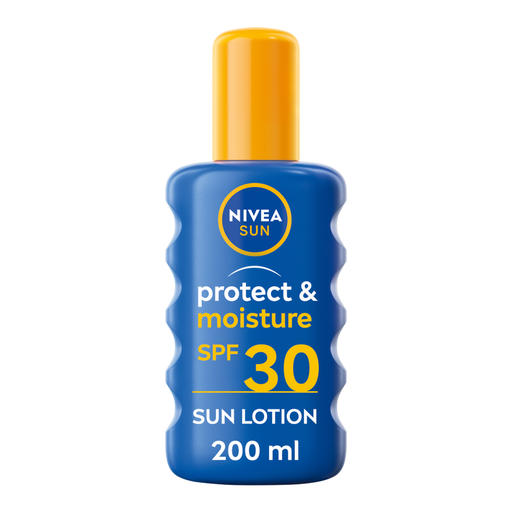
Why This Fits Their Persona: This is a straightforward, reliable choice for family holidays or daily use. The large 200ml bottle offers great value, and its hydrating formula with Vitamin E is suitable for most skin types, simplifying the packing list.
It provides effective hydration without feeling heavy or greasy, proving that a moisturising formula can be comfortable. Its water-resistant claim is balanced with clear instructions for reapplication, countering the "once-a-day" myth.
Provides 48-hour moisture and is water-resistant. The formula is 78% biodegradable and comes in a 95% recycled bottle.
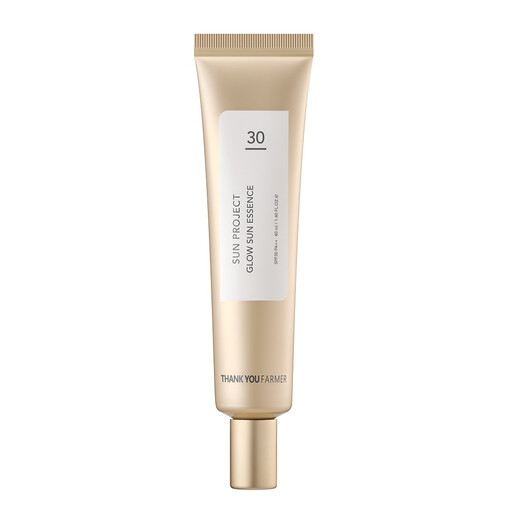
Why This Fits Their Persona: For those who see sunscreen as a non-negotiable skincare step, this essence-type formula is a perfect fit. It acts as a moisturiser, sunscreen and luminous primer in one, creating a smooth, glowing base for makeup or a "glass skin" look on its own.
This product directly challenges the idea that hydrating sunscreens are greasy. Its lightweight, essence texture provides deep moisture without any stickiness, making it ideal even for those who dislike the feel of traditional creams.
Infused with micro-pearls for a radiant finish. The formula is intensely hydrating and contains soothing plant extracts like Aloe and Hollyhock root.
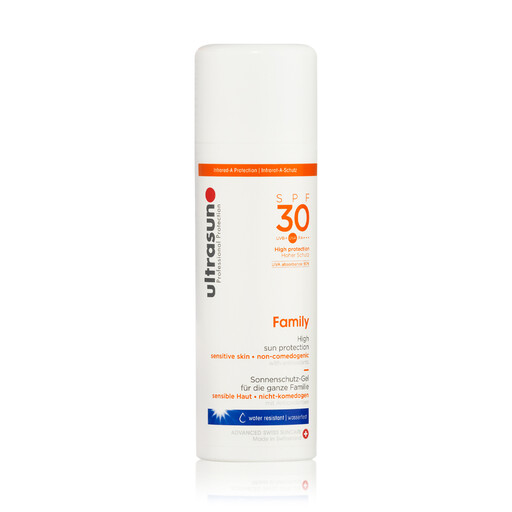
Why This Fits Their Persona: This is a trusted option for those who need a gentle yet effective **sunscreen for sensitive skin**. The hypoallergenic formula is free from oils, emulsifiers and perfume, minimising the risk of irritation for both adults and children.
It sidesteps the irritation trap by using a carefully considered formula suitable for very sensitive skin. While it uses lamellar technology for durable protection, the brand still advises reapplication, promoting safe sun habits over unrealistic "all-day" claims.
Hypoallergenic formula is suitable for the whole family. It is water-resistant and has an Eco-Sun Pass, making it an ocean-friendly choice.
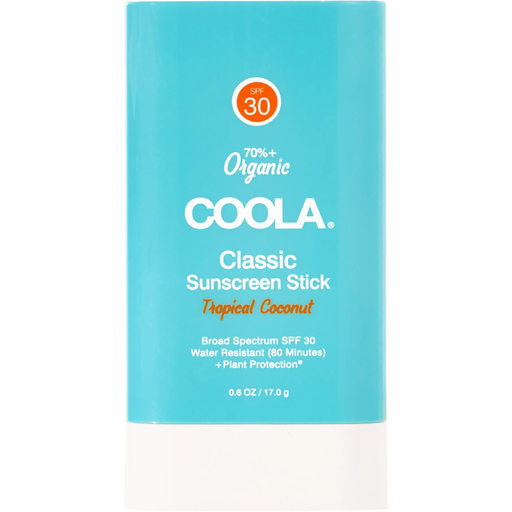
Why This Fits Their Persona: For hikers, runners, or anyone who needs to reapply sunscreen without fuss, this stick is the ideal solution. Its solid, travel-friendly format means no spills in your bag, and the swipe-on application is quick, easy and completely mess-free.
The stick format is the ultimate answer to the "greasy hands" problem, making reapplication effortless and encouraging proper sun safety. Its 80-minute water resistance is clearly stated, setting realistic expectations for active use.
Sheer, non-greasy formula in a mess-free stick. Offers 80-minute water resistance and is Hawaii Reef Compliant.
We have compiled a complete, real-time list of products that fully satisfy these strict selection criteria and UK safety regulations.
A common guideline is the "two-finger rule." Squeeze a line of sun cream onto your index and middle fingers from base to tip. This amount is generally sufficient to cover your face and neck adequately. Under-application is one of the biggest reasons people get burnt despite using sunscreen.
It's best to check the packaging for a Period After Opening (PAO) symbol, which looks like an open jar with a number followed by "M" (e.g., "12M"). This indicates the product should be used within 12 months of opening. If it's past this date, or if the colour, smell or texture has changed, it's time to replace it. The active ingredients can degrade over time, reducing the level of protection.
Mineral sunscreens use active ingredients like zinc oxide and titanium dioxide. These create a physical barrier on the skin's surface that reflects and scatters UV rays. They are often recommended for sensitive or acne-prone skin. Chemical sunscreens use organic compounds that absorb UV radiation and convert it into a small amount of heat. They tend to be more lightweight and transparent, making them a popular choice for daily wear and for use under makeup.