
24/7 Customer Support

Free returns

Same-day & Next-day Delivery

Quality Guaranteed

Unlock Your Welcome Offers: FREE Delivery | Up to 80% OFF | Free 30-day JoyPlus trial
Download the APP
A sun cream spray can make applying sunscreen quicker, particularly when covering children, backs and other hard-to-reach areas. However, a spray format does not automatically mean complete or even coverage. The right choice depends on SPF, UVA protection, skin needs, application method and how often you are prepared to reapply.
Whether you are comparing an SPF 50 sun spray, an SPF 30 sun spray, a sunscreen mist or an aerosol sun cream, look beyond phrases such as “dry touch”, “all-day” or “tan enhancing”. The label and directions matter more than the marketing headline.
A fine mist may feel quick and lightweight, but it is easy to apply too little or overlook areas such as the ears, shoulders, knees and feet. A clear spray can also make it difficult to see whether the skin has been covered.
Apply generously and evenly, then spread the product where the instructions require it. For the face, many spray sunscreens advise spraying into your palms first rather than spraying directly onto facial skin.
Water-resistant sunscreen spray is useful for swimming, sweating and outdoor exercise, but water, towels and clothing can remove product. Reapplication is still necessary, especially after swimming or towelling. Treat water resistance as a practical feature, not a reason to skip the next application.
Some products use long-lasting language, but sunscreen should still be applied generously and reapplied according to the product label. A high SPF does not allow unlimited time in direct sunlight, and no sunscreen provides 100% protection. Shade, clothing, a hat and sunglasses remain important parts of sun safety.
SPF primarily indicates protection against UVB, the rays associated with sunburn. For regular UK outdoor use, SPF 30 may suit some adults when applied correctly, while SPF 50 or SPF 50+ is often preferred for children, fair skin, strong sunlight and holiday conditions.
Also look for clearly stated UVA and UVB protection. In the UK and Europe, check for the UVA symbol or a stated UVA rating, such as five-star UVA protection. UVA contributes to long-term sun-induced skin damage and can pass through light cloud and glass more readily than UVB.
For sensitive skin, compare the full product label rather than relying only on “gentle” wording. A fragrance-free sunscreen may be preferable if fragrance is a known concern. Some formulas contain alcohol denat., perfume or essential-oil fragrance components, which may not suit every user.
A product described as hypoallergenic or suitable for sensitive skin can still cause irritation in an individual. Patch testing and stopping use if irritation develops are sensible precautions. Parents should also check the stated age suitability: for example, some children's sun spray products are intended from six months, while others may have different guidance.
Pump sprays generally do not use a pressurised aerosol, while an aerosol sun cream may offer a fine, quick-drying mist. Aerosols are extremely flammable and must be kept away from flames, sparks and high temperatures. Never pierce or burn a can, even when empty.
Check whether the product is designed for the face and body, scalp and hair, or body use only. A dedicated scalp mist can help reach exposed partings, but it should not be treated as a substitute for face sunscreen. After-sun spray is a separate category: it is intended for post-sun moisturising and comfort, not UV protection.
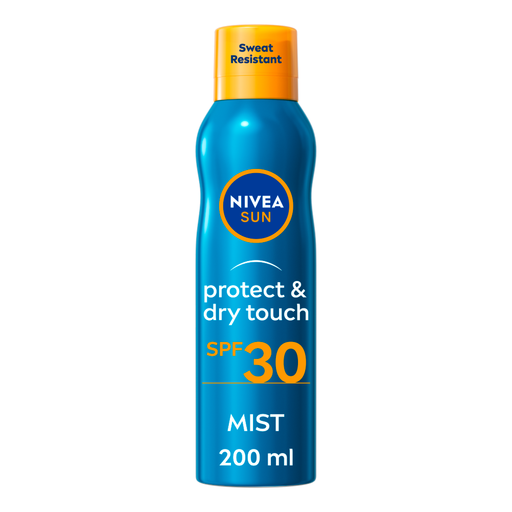
Why This Fits Their Persona: A 200ml format with SPF 30 suits adults seeking a practical option for commuting, walks and everyday outdoor use in the UK.
The label specifies UVA/UVB protection and extra water resistance, while the spray can be applied from different angles. Reapplication is still required after water or heavy sweating.
Cooling mist format; invisible finish designed not to leave a white residue; 200ml can for regular body application.
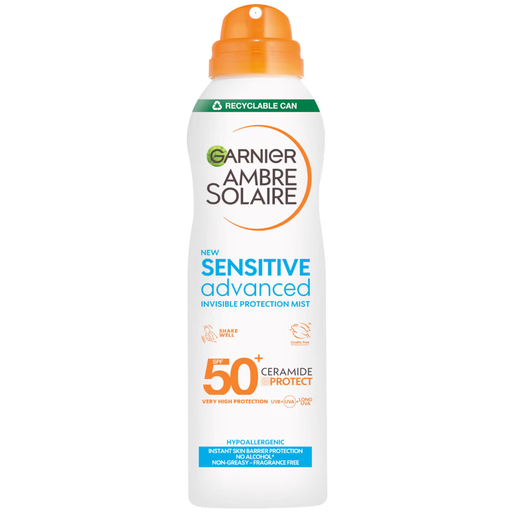
Why This Fits Their Persona: A suitable match for adults wanting high SPF protection, a dry-mist texture and a fragrance-free format for fair or sensitive skin.
Its listed formula is alcohol-free and fragrance-free, and the directions clearly state that it should not be sprayed directly onto the face.
SPF 50+; stated UVA and UVB protection; hypoallergenic and fragrance-free according to the product information; water-resistant mist.
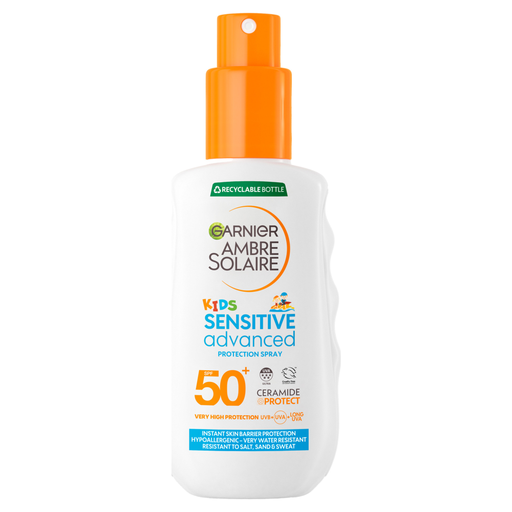
Why This Fits Their Persona: Designed for parents covering children during park trips, beach holidays and active outdoor play.
The product information specifies SPF 50+, fragrance-free use for sensitive skin and very high water resistance, while still requiring generous reapplication.
Five-star UVA protection stated in the listing; resistant to salt, sand and sweat; suitable for face and body, with palms-first application for the face.
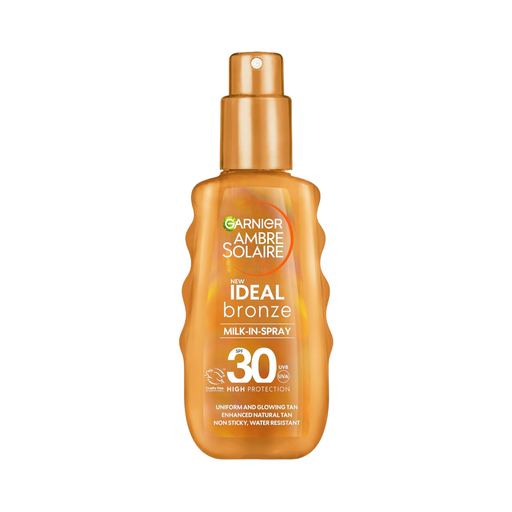
Why This Fits Their Persona: Suits adults looking for a tanning sunscreen spray that combines SPF 50 protection with a milk texture for face and body.
It keeps SPF 50 and UVA/UVB protection central rather than presenting tanning as a replacement for sun safety. The listing also states that it is very water resistant.
Beta-carotene and vitamin E are listed ingredients; lightweight milk-in-spray format; suitable for all skin types and tones according to the product details.
We have compiled a complete, real-time list of products that fully satisfy these strict selection criteria and UK safety regulations.
SPF 50 offers a higher labelled level of UVB protection than SPF 30 when applied in the recommended quantity. The practical difference depends heavily on coverage and reapplication. Choose the SPF level that matches your skin, destination and exposure, then apply it generously.
Only if the product instructions allow it. Many sprays advise applying to the palms first, then smoothing over the face while avoiding the eyes. A dedicated facial sunscreen mist or face product may be more comfortable for daily use.
There is no universal duration. Household size, amount applied, frequency of reapplication and water exposure all affect how quickly a bottle or can is used. Check the product’s shelf-life information and store it as directed, away from heat and direct sunlight. An after sun spray can support post-sun moisturising, but it cannot replace sunscreen during exposure.