
24/7 全天候客户支持

免费退货

当日/次日达

品质保障

开启新人专享福利: 全场免邮 | 低至 2 折 | 免费试用 30 天 JoyPlus 会员
下载 Joybuy
Choosing between sun protection, a tan activator and a self-tanning product can be confusing. A product may promise a bronzed finish while offering too little protection for a long day outdoors, or appear moisturising but leave uneven colour on elbows and knees.
The most common buying mistakes are usually linked to three marketing traps:
For everyday commuting and short outdoor periods, an SPF 30 sunscreen may suit some adults when applied correctly. For holidays, outdoor sports, prolonged exposure or naturally sensitive skin, an SPF 50 sunscreen offers a higher labelled level of UVB protection.
Also look for clear UVA and UVB protection information. In the UK, check for the UVA symbol or a clearly stated UVA rating, rather than relying on phrases such as “sun care” or “tanning protection” alone. SPF measures protection primarily against UVB, while UVA contributes to tanning and longer-term skin damage.
Apply enough product to cover all exposed skin. Using a thin layer to improve comfort or avoid a white cast can significantly reduce the protection shown on the label. Reapply after swimming, sweating or towelling, and avoid relying on sunscreen to extend time in strong sunlight.
A facial sunscreen needs to work with your skincare and make-up routine, while a body sunscreen generally prioritises easy spreading and generous coverage. Fluid and essence textures can feel lighter on oily or combination skin; lotions may be more practical for arms, legs and children.
A mineral sunscreen, commonly using zinc oxide or titanium dioxide, may appeal to shoppers who prefer mineral UV filters. Tinted formulas can help reduce the visible white cast sometimes associated with mineral products. The Beauty of Joseon Daily Tinted Fluid Sunscreen, for example, combines SPF 30 PA+++ with a fluid texture and tinted coverage. Shade selection remains important, particularly on deeper or warm undertones.
A Korean sunscreen or sun essence may have a lightweight, skincare-style finish, but comfort should not replace checking the SPF, UVA information, volume and reapplication instructions.
A tan intensifying sunscreen or tan activator is designed for people who want to support a natural-looking tan while wearing SPF. It does not remove the risks of UV exposure. Products such as SPF 30 tan lotions and activators may be suitable for body use, but they should be applied generously like any other sunscreen.
For colour without intentional UV exposure, choose a self-tanning mousse or gradual tan moisturiser. Self-tan containing dihydroxyacetone, commonly listed as DHA, develops colour on the surface of the skin. Exfoliating beforehand, moisturising dry areas and washing hands after application can help reduce patchiness and stained palms.
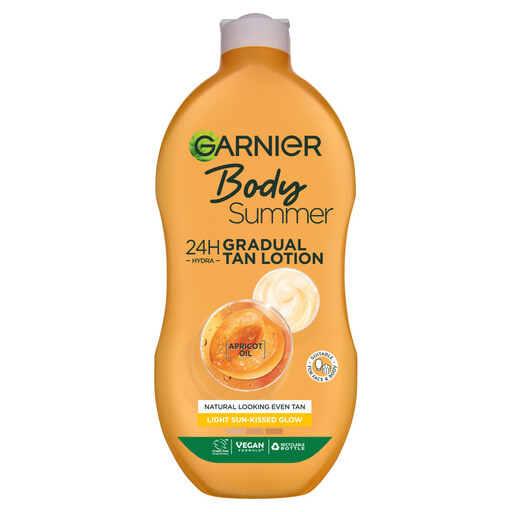
Why This Fits Their Persona: A large 400ml lotion suits shoppers starting a gradual tanning routine for the face and body, with daily use to build colour progressively.
The product is clearly identified as a gradual tanner and its instructions state that it does not contain sunscreen, so outdoor users know to add separate SPF.
400ml size; contains DHA and apricot kernel oil; designed for a gradual, buildable finish.
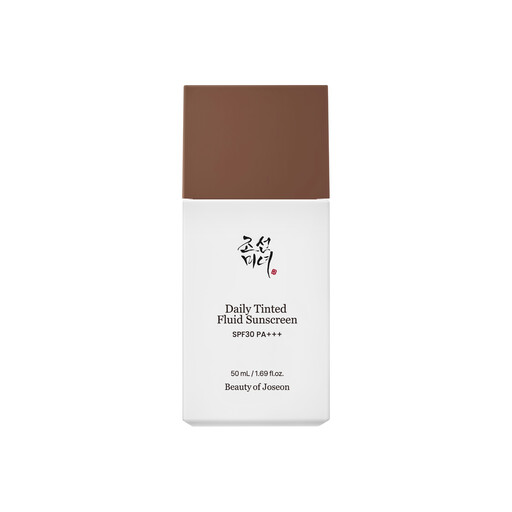
Why This Fits Their Persona: Suitable for adults who want daily facial protection with sheer, buildable tint for a polished commute or make-up base.
The SPF 30, PA+++ rating and zinc oxide filter are stated clearly, while the tint helps address the visible cast concern without reducing the need for adequate application.
50ml facial format; tinted mineral formula; available in shades including DY330.
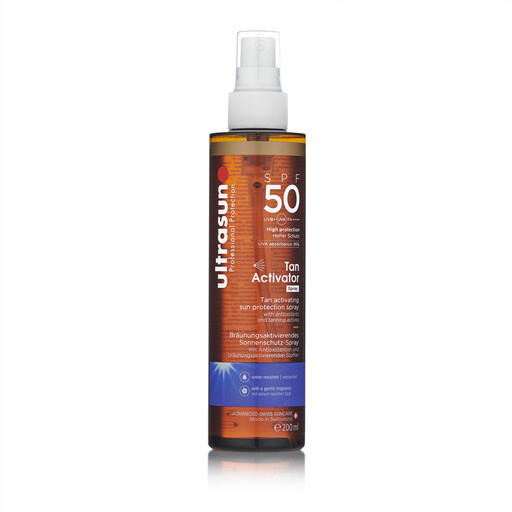
Why This Fits Their Persona: A practical option for outdoor users who want SPF 50, a tan activator format and a larger 200ml supply for repeated body application.
It combines the tan-activator concept with a stated SPF 50 rating; users should still reapply after swimming or towelling and avoid prolonged exposure.
SPF 50; 200ml body format; lightweight gel texture; listed as water-resistant.
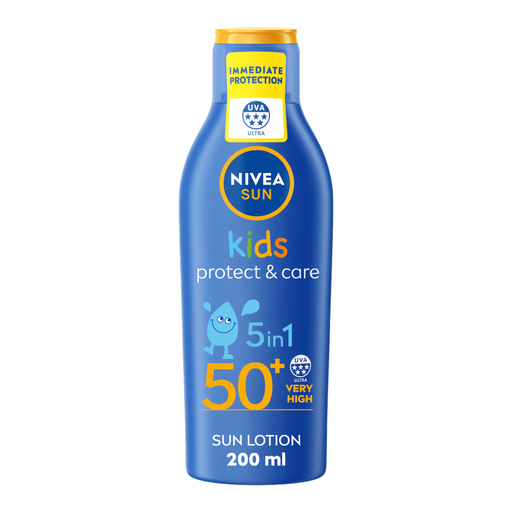
Why This Fits Their Persona: Designed for parents buying high-SPF protection for children aged three and over during school holidays, swimming and outdoor play.
The label states SPF50+, UVA and UVB protection and extra water resistance, while the instructions still require frequent reapplication.
SPF50+ lotion; 200ml size; stated suitability for children aged 3+; extra water-resistant formula.
Even a suitable formula cannot perform as labelled if it is applied sparingly. Shake fluid and tinted sunscreens before use, apply sunscreen before going outdoors, and cover commonly missed areas such as ears, shoulders, feet and the back of the neck.
For self-tanning products, exfoliate gently in advance and moisturise rough areas. Apply mousse with a mitt where possible, blend around joints and allow the product to dry before dressing. A gradual tan moisturiser is generally easier to build slowly, while a fast mousse can suit an event when development time is manageable.
Store products away from direct sunlight and excessive heat. Check the packaging for the current ingredient list, batch information and period-after-opening guidance. Stop using a product if irritation develops and follow the label warnings, especially around eyes and damaged skin.
We have compiled a complete, real-time list of products that fully satisfy these strict selection criteria and UK safety regulations.
Both ratings can be useful, but SPF 50 may be preferable for prolonged outdoor exposure, holidays, high UV conditions or skin that burns easily. Whichever level you choose, apply generously, seek shade and reapply after swimming, sweating or towelling.
No. A tan activator is not a substitute for adequate SPF, protective clothing or shade. Choose a product with a clearly stated SPF and UVA protection, then follow its application instructions.
A self-tan commonly fades as the outer layer of skin sheds. Daily moisturising and gentle exfoliation can help maintain an even appearance, but the exact lifespan varies by formula, application, washing and skin type. Always reapply sunscreen separately when exposed to sunlight.