
24/7 全天候客户支持

免费退货

当日/次日达

品质保障

开启新人专享福利: 全场免邮 | 低至 2 折 | 免费试用 30 天 JoyPlus 会员
下载 Joybuy
As a Joybuy Product Recommendation Officer, my role is to help you navigate the crowded market of sun care. With so many lotions, sprays and serums available, it's easy to fall for marketing hype that doesn't deliver. Choosing the right sun cream is crucial for protecting your skin, but many products come with hidden drawbacks. Let's look at the common pitfalls to avoid and what really matters when making your selection.
To ensure you get effective and comfortable protection, focus on these key parameters rather than just the marketing claims on the bottle.
True sun safety comes from shielding your skin from both types of harmful UV rays.
Sunscreens use two types of filters to protect your skin, and the right choice often depends on your skin type.
The most effective sun cream is the one you'll actually wear every day. The texture and finish are just as important as the protection level.
Based on these practical criteria, here are a few standout options tailored to different needs and lifestyles.
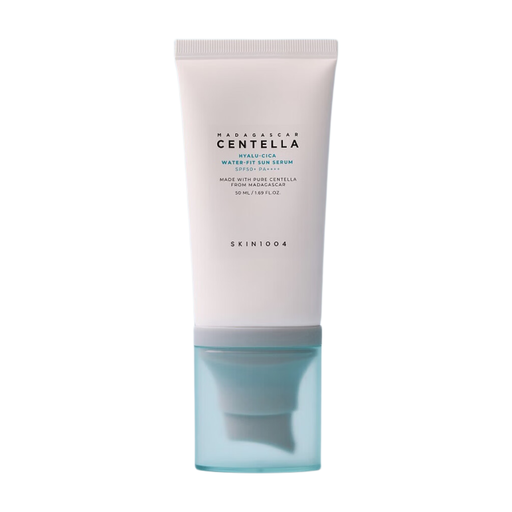
Why This Fits Their Persona: For those who treat sunscreen as a non-negotiable final step in their skincare routine, this formula is ideal. Its ultra-light, serum-like texture absorbs instantly, providing deep hydration and a dewy glow that sits perfectly under makeup for the daily commute or office environment.
It completely sidesteps the "heavy and chalky" trap. The watery texture feels more like a hydrating essence than a traditional sun cream, leaving a truly invisible finish on all skin tones.
Combines Hyaluronic Acid for hydration and Centella Asiatica for soothing, acting as a multi-functional skincare product. It's a reef-safe chemical formula without fragrance or alcohol.
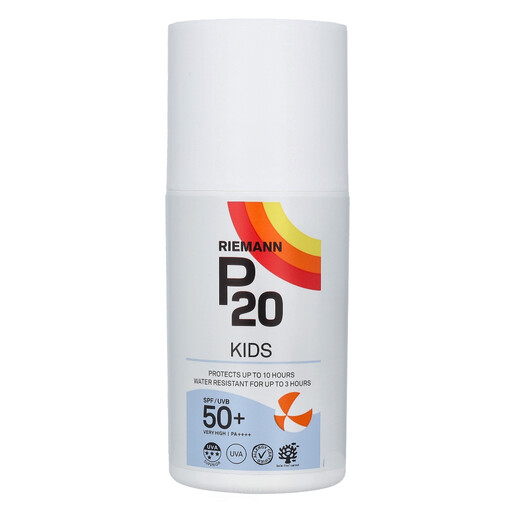
Why This Fits Their Persona: For parents managing children who are in and out of the pool or sea, this is a practical choice. It's a high-protection kids sun cream specifically formulated to be highly water resistant sun cream for up to 3 hours, reducing the need for constant reapplication during active play.
While it offers long-lasting protection, the directions still correctly advise frequent reapplication after towelling or swimming. This responsibly manages expectations and counters the dangerous "apply once and forget" myth.
Dermatologically tested, hypoallergenic and free from fragrance and colourants to suit children's sensitive skin. It also offers a superior UVA protection rating, exceeding EU requirements.
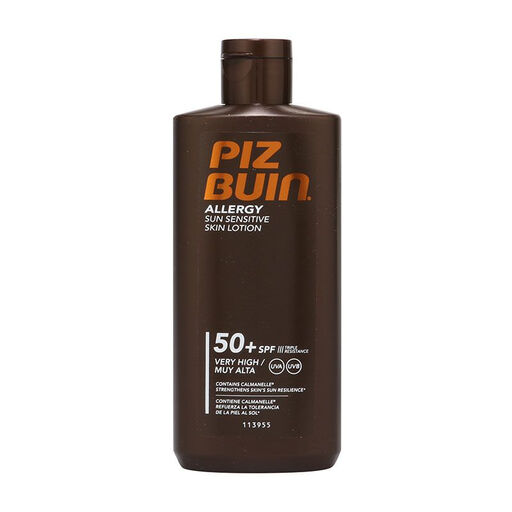
Why This Fits Their Persona: If your skin is prone to irritation, prickly heat or blotchiness in the sun, a standard sun cream might not be enough. This formula was developed with dermatologists specifically for sun-intolerant skin, offering a soothing and protective barrier.
It moves beyond generic "for sensitive skin" claims by incorporating a specific anti-irritant shield complex (Calmanelle) and Feverfew PFE to actively help strengthen the skin's resilience against UV exposure.
Provides very high, broad-spectrum protection while also delivering hours of moisturisation to soothe sun-sensitive skin. The formula is sweat and water-resistant.
We have compiled a complete, real-time list of products that fully satisfy these strict selection criteria and UK safety regulations.
Most people apply far too little sun cream. For your face and neck, a common guideline is the "two-finger rule": squeeze a line of lotion onto your index and middle fingers. This is roughly the amount needed for adequate protection. For the body, aim for about two tablespoons (or a shot glass full) to cover all exposed areas.
Check the packaging for a Period After Opening (PAO) symbol, which looks like a small open jar with a number followed by "M" (e.g., "12M"). This indicates how many months the product remains effective after being opened. If it's past this date, or if the texture, colour or smell has changed, it's time to replace it.
In the UK, these terms are often used interchangeably. "Sunscreen" is the general category term. "Sun cream" typically refers to a thicker, more moisturising formula, while a "sun lotion" is usually a bit lighter and runnier. However, there are no strict definitions, so it's more important to focus on the SPF, UVA rating and texture described on the product itself.