
24/7 Customer Support

Free returns

Same-day & Next-day Delivery

Quality Guaranteed

Unlock Your Welcome Offers: FREE Delivery | Up to 80% OFF | Free 30-day JoyPlus trial
Download the APP
Choosing sun protection products is not simply a case of picking the highest number on the label. A sunscreen may feel unpleasant under make-up, sunglasses may slip while driving, and a hat may offer little coverage if the brim is too narrow. The right choice depends on protection, comfort, ingredients, fit and how consistently you will use it.
As the Joybuy Product Recommendation Officer, my approach is to separate useful specifications from marketing language, helping UK shoppers avoid products that look appealing but do not suit their daily routine.
SPF50 sunscreen mainly indicates protection against UVB, the rays associated with sunburn. It does not, on its own, explain UVA protection. For everyday use, check for a clear UVA rating, such as the UVA circle, or a stated broad-spectrum UV protection claim.
UVA and UVB protection matter in different ways. UVB is more closely associated with burning, while UVA penetrates deeper into the skin and contributes to photoageing. A high SPF without clearly stated UVA protection may not match your needs.
A thick or greasy product may provide a high labelled SPF, but if it pills under make-up or feels uncomfortable on the face, you may apply too little or skip reapplication. Look for a lightweight sunscreen with a finish suited to your skin type.
People with sensitive skin should inspect the full ingredient list rather than relying only on phrases such as “gentle” or “skin-friendly”. Fragrance, alcohol and certain filters may not suit everyone. Patch-testing a new facial sunscreen is a sensible precaution.
Dark lenses are not automatically protective lenses. When comparing sunglasses, look for UV400 or an equivalent clear UV protection specification. UV400 generally refers to filtering ultraviolet wavelengths up to 400 nanometres.
For driving, also consider glare reduction, lens clarity, frame stability and whether the tint affects visibility. Polarisation can reduce reflected glare, but it should not be confused with UV protection unless both features are separately stated.
For regular commuting, walking and outdoor errands, consider:
Facial products labelled facial sunscreen are usually designed to spread comfortably across the face and neck. Products with hydrating ingredients may suit dry or mature skin, while gel or fluid textures can feel more comfortable on combination or oily skin.
Read the label if you are choosing sunscreen for sensitive skin. Fragrance-free options may be preferable for some users, but “fragrance-free” does not guarantee that irritation cannot occur. Stop using a product if redness, itching, stinging or a rash develops.
A Korean sunscreen may offer a fluid texture, skincare ingredients or a dewy finish, but compare the actual SPF, UVA rating, ingredients and directions rather than buying based on origin alone. Likewise, an anti-ageing sunscreen can help reduce exposure to UV-related skin changes, but it should not be treated as a medical or therapeutic product.
For sunglasses, check:
For a sun protection cap, prioritise a close but comfortable fit, a practical brim and breathable fabric. A cap protects areas it covers; it does not replace sunscreen on the face, ears or neck. A wider-brimmed hat may provide more shade than a traditional baseball-cap shape.
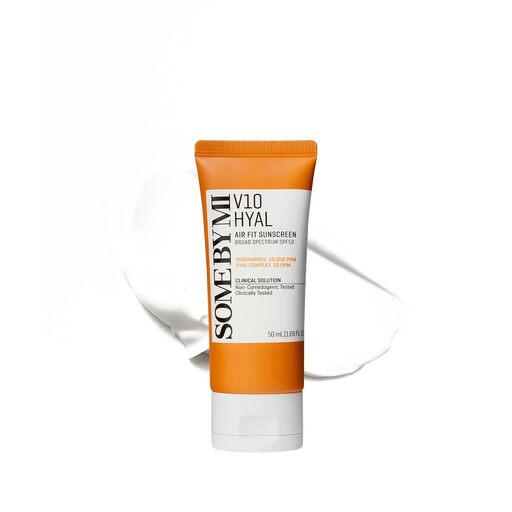
Why This Fits Their Persona: A practical daily SPF50 option for shoppers starting a consistent facial sunscreen routine, including commuters and students.
Its listed SPF50 and broad-spectrum protection address the mistake of choosing a product based on texture alone. Check the fragrance and ingredient list if your skin is reactive.
Lightweight lotion texture; includes hyaluronic acid and a range of vitamin ingredients. The product is listed as non-greasy and without a white cast.
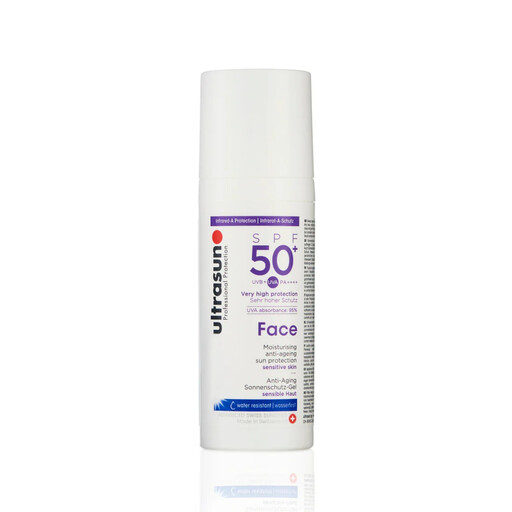
Why This Fits Their Persona: Suits shoppers seeking a dedicated facial formula for daily wear across commuting, outdoor lunches and travel.
The product clearly lists very high UVA and UVB protection, helping buyers avoid selecting an SPF-only product. Follow its stated application quantity and check the label for current details.
SPF50+ facial protection; non-comedogenic formula with a lightweight texture and Ectoin listed among the ingredients.
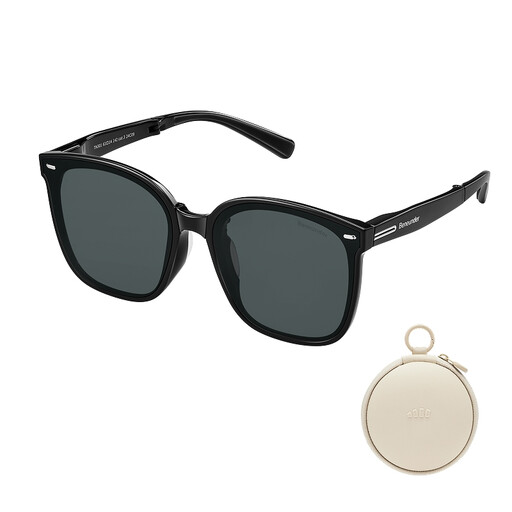
Why This Fits Their Persona: Designed for drivers, travellers and outdoor users who want portable eyewear that can be stored in a small bag or glove compartment.
The specification states UV400 protection and includes an anti-reflective coating, rather than relying on lens darkness as a protection indicator. Confirm the fit and tint are suitable for your driving conditions.
Tri-fold design; TR90 frame; listed weight of 26g and folded thickness of approximately 35mm.
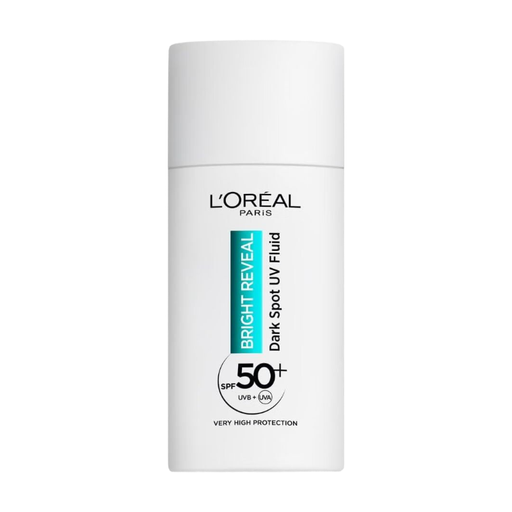
Why This Fits Their Persona: A facial fluid for shoppers who want sun protection integrated into a morning skincare and make-up routine.
It specifies SPF50 UVA/UVB protection and a lightweight fluid texture, helping address the common problem of choosing a high-SPF product that feels too heavy for daily use.
Listed as fragrance-free and dye-free; contains vitamin C derivative, vitamin E and glycerin. Review the ingredients before use if your skin is sensitive.
Sunscreen is only one part of protection. Combine it with:
Store sunscreen away from excessive heat and direct sunlight, and check the packaging for batch, shelf-life and after-opening information. Products can change over time, particularly when stored in a hot car or beside a sunny window.
We have compiled a complete, real-time list of products that fully satisfy these strict selection criteria and UK safety regulations.
Reapply after swimming, sweating or towel drying, and during extended outdoor exposure follow the product’s directions. Even on cloudy days, UV exposure can still occur, so daily application is useful when exposed skin will be outdoors.
SPF50 indicates a high level of UVB protection, but it does not guarantee that the formula will suit sensitive skin. Check the complete ingredient list, consider fragrance-free options and patch-test before applying a new product widely.
No. UV400 sunglasses help protect the eyes from ultraviolet light, but they do not cover all surrounding skin. Apply suitable facial sunscreen carefully around, but not directly in, the eye area and consider a hat for additional shade.