
24/7 Customer Support

Free returns

Same-day & Next-day Delivery

Quality Guaranteed

Unlock Your Welcome Offers: FREE Delivery | Up to 80% OFF | Free 30-day JoyPlus trial
Download the APP
Choosing suitable sun protection products is not simply a matter of picking the highest number on the label. UK shoppers often compare SPF lotions, Korean sunscreen, sun sticks, UPF 50+ clothing and UV protection caps without checking how each product fits their routine. The right choice depends on coverage, reapplication habits, fabric construction and comfort.
SPF50 sunscreen mainly indicates protection against UVB, the rays strongly associated with sunburn. Look for wording that confirms broad-spectrum UVA and UVB protection, as UVA also contributes to long-term sun damage and pigmentation changes. In the UK, UVA protection may be shown through a UVA logo, star rating or equivalent product information.
A high SPF does not mean one application lasts all day. Sweat, swimming, towelling, rubbing and insufficient product can reduce coverage.
There is no sunscreen that remains completely unaffected by water. A water-resistant sunscreen may retain protection for a stated period during swimming or sweating, but it still needs reapplication according to the packaging instructions. For beach trips, outdoor exercise or cycling, consider how easily the formula can be reapplied rather than relying on a “long-lasting” phrase.
UPF describes the ultraviolet protection provided by a fabric. It does not protect uncovered hands, face, neck or legs. A UPF jacket with an open neckline may still leave exposed areas that require sunscreen. Fit, fabric condition, stretching, wetness and coverage all matter, even when a garment displays a high UPF figure.
For regular summer commuting, gardening or outdoor dining, a facial sunscreen with SPF30 or SPF50 can be considered depending on your exposure and skin needs. People spending extended periods outdoors may prefer SPF50 or SPF50+, particularly for exposed facial skin.
Apply enough product to cover the face, ears, neck and other exposed areas. Follow the label’s timing instructions before going outside and reapply after swimming, sweating or towel drying. Makeup users may find a sun stick convenient for touch-ups, but it should be applied generously and evenly rather than used only as a quick swipe.
Those looking for sensitive skin sunscreen should check the full ingredient list, especially if they react to fragrance, alcohol or particular UV filters. A lightweight, non-comedogenic texture may be more comfortable for combination or blemish-prone skin, while hydrating ingredients such as glycerine or hyaluronic acid may suit drier complexions.
Do not assume that a Korean sunscreen, gel, spray or stick will suit every skin type. Patch testing a new product and stopping use if irritation develops are sensible precautions.
For outdoor sun protection, check whether the clothing offers a stated UPF rating, breathable construction and a fit that does not become excessively tight when moving. The product’s washing instructions are also important. Bleaching, high heat, stretching and general wear may affect the performance or shape of technical fabrics.
A UV protection cap can add useful shade to the face and scalp, but a curved brim is not a substitute for sunscreen on exposed skin. Check head measurements and adjustability before ordering.
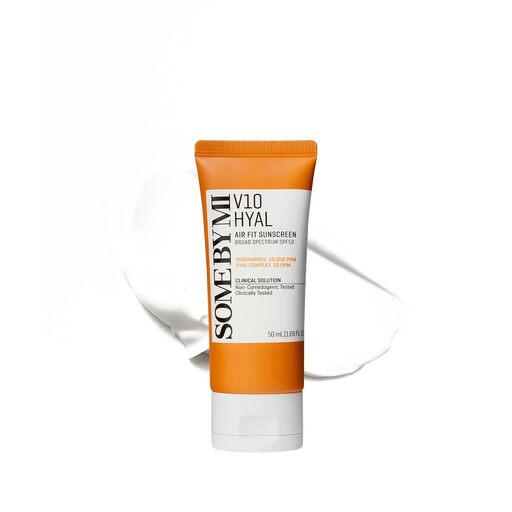
Why This Fits Their Persona: A practical daily facial sunscreen for shoppers seeking SPF50 protection and a lightweight texture for commuting, errands and everyday wear.
Its listed formula is designed to spread without a visible white cast, helping reduce the temptation to apply too little for cosmetic reasons.
SPF50, hyaluronic acid and a non-greasy lotion texture are listed features; the 50ml size is convenient for daily skincare routines.
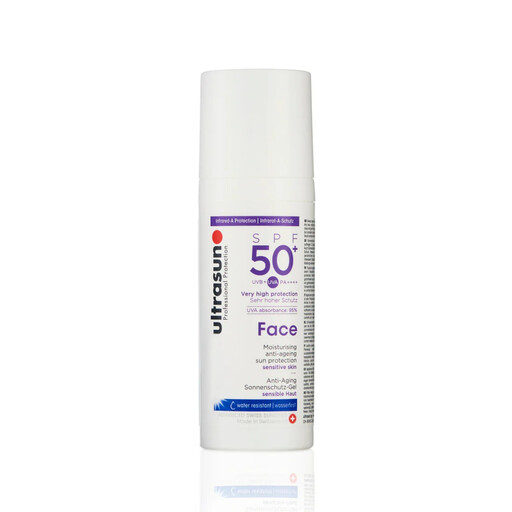
Why This Fits Their Persona: Suits shoppers who prioritise a dedicated facial formula for frequent daily use, including under skincare or make-up.
The listing specifies very high broad-spectrum UVA and UVB protection, helping shoppers assess more than the SPF number alone.
The product is listed as non-comedogenic and suitable for sensitive skin, with a 50ml facial format and lamellar technology.

Why This Fits Their Persona: A useful outer layer for hikers, anglers, cyclists and travellers who spend extended periods outside and want coverage beyond lotion.
The listing provides a specific UPF170+ rating and care instructions, rather than relying only on vague “sun-blocking” wording.
Original yarn with titanium dioxide is listed, alongside machine-wash care guidance and a cool, breathable jacket design.
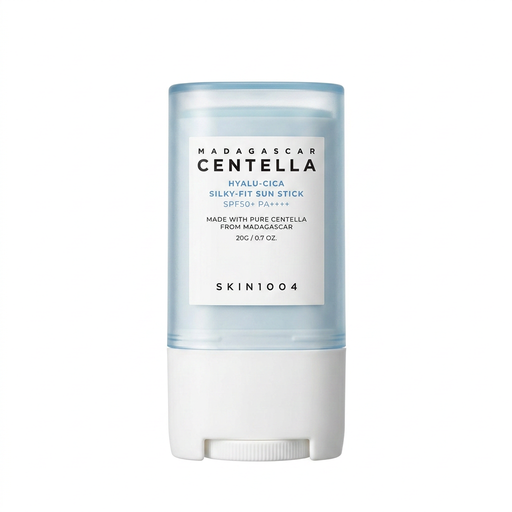
Why This Fits Their Persona: A portable option for office workers, commuters and travellers who want a compact format for daytime top-ups.
Its stick format is designed for reapplication, but users should still make enough passes to achieve even coverage instead of treating it as a token touch-up.
The listing specifies SPF50+ PA++++, a silky-matte finish and a 20g portable format suitable for carrying in a handbag or day pack.
We have compiled a complete, real-time list of products that fully satisfy these strict selection criteria and UK safety regulations.
A balanced routine may include:
For swimmers, runners and cyclists, prioritise a comfortable formula or garment that you are willing to use consistently. A product left at home because it feels greasy, bulky or difficult to apply provides little practical value.
Follow the product instructions, but reapplication is particularly important after swimming, sweating, towelling or clothing friction. During prolonged outdoor exposure, many products advise reapplying approximately every two hours. Apply generously before going outside rather than waiting until skin feels warm.
No. UPF clothing protects the areas covered by the fabric, while exposed skin still needs suitable sunscreen. Check the garment’s coverage, fit and care instructions, and remember that stretching or wear may affect how it sits on the body.
You can, provided the product is labelled for the intended use, but smaller facial products may cost more per millilitre. For larger areas, a dedicated body sunscreen such as a 200ml or 250ml format may be more practical. Always follow the packaging instructions and avoid applying products near the eyes unless directed.