
24/7 Customer Support

Free returns

Same-day & Next-day Delivery

Quality Guaranteed

Unlock Your Welcome Offers: FREE Delivery | Up to 80% OFF | Free 30-day JoyPlus trial
Download the APP
Choosing between sun cream and sunscreen can feel straightforward until you compare SPF ratings, UVA symbols, facial formulas, sprays, lotions and tanning products. The wrong choice may leave you with an uncomfortable texture, insufficient coverage or a product that does not suit your daily routine.
For UK shoppers, the priority is not simply finding a high number on the bottle. It is matching SPF, UVA protection, application format and skin needs to how and where you will use the product.
SPF mainly indicates protection against UVB rays, which are associated with sunburn. It does not, on its own, describe UVA protection. Look for a UVA circle, UVA rating or clear broad-spectrum wording on the packaging.
A product labelled SPF50+ is not automatically suitable for every situation if it is difficult to apply evenly or does not offer clearly stated UVA protection. For everyday facial use, choose a facial sunscreen that combines a suitable SPF with a finish you are willing to reapply.
Water-resistant sunscreen can lose coverage through swimming, sweating, towel drying and friction from clothing. “Water-resistant” does not mean that one application will last all day at the beach or during sport.
Reapplication remains necessary, particularly after water exposure or towelling. A sun lotion with a larger bottle may be more practical for family use, while a compact facial sunscreen is easier to carry for commuting or travel.
A gradual tan moisturiser creates colour through a tanning ingredient such as dihydroxyacetone. It does not replace broad-spectrum sun protection. Likewise, a tanning sun spray may combine a bronzing feature with SPF, but it still needs to be applied generously and reapplied as directed.
After sun lotion is designed for post-exposure moisturising comfort. It is not a substitute for sunscreen and should not be applied with the expectation that it will prevent sunburn.
SPF30 sun cream can suit routine outdoor exposure when applied generously and correctly. SPF50 sunscreen is a practical choice for strong sun, holidays, extended outdoor activities, high-altitude trips and skin that burns easily.
No SPF provides complete protection. Use sunscreen alongside shade, a hat, sunglasses and clothing. Babies and young children should be kept out of direct sunlight, while children’s sun care should be chosen according to the product’s stated age suitability.
Choose products that state UVA and UVB protection or broad-spectrum sun protection. UVA exposure can occur throughout the day and through cloud cover, while UVB intensity varies with conditions and location. The UK’s changeable weather does not eliminate the need for protection during outdoor activities.
For facial use, look for a formula that suits your skin type. A sensitive skin sunscreen may be preferable if fragrance or certain ingredients cause discomfort, but always check the current ingredient list and follow the label.
The most useful formula is one you can apply evenly and use in sufficient quantity. Consider:
Apply generously before exposure and reapply frequently, following the product directions. A smaller amount can substantially reduce the protection indicated on the label.
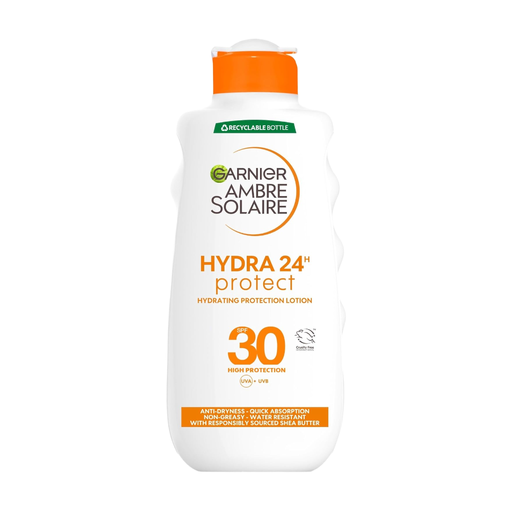
Why This Fits Their Persona: A practical body lotion for UK commuters, park visits and everyday summer errands where a generous 175ml size is useful.
The label identifies UVA and UVB protection and water resistance, making the protection specification clearer than an SPF-only product.
SPF30, 175ml format, Shea Butter and a fast-absorbing water-resistant formula.
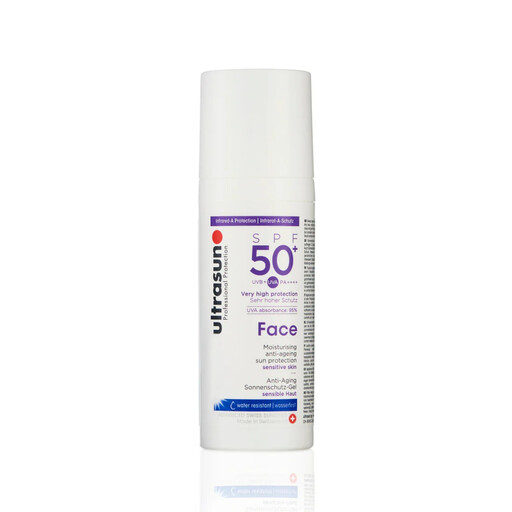
Why This Fits Their Persona: A compact facial sunscreen for shoppers who want a dedicated daily product that can sit beneath make-up.
Its directions specify facial coverage and a measured two-finger application, helping reduce the risk of applying too little.
SPF50+, broad-spectrum UVA and UVB protection, non-comedogenic positioning and a lightweight texture.
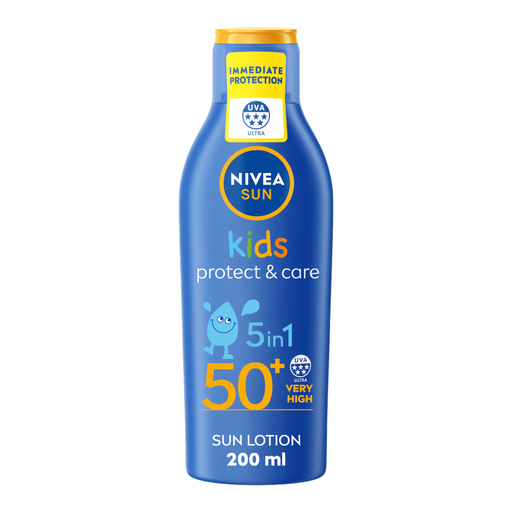
Why This Fits Their Persona: Designed for families managing active children, swimming sessions and outdoor play, with suitability stated for children aged 3 and above.
The product states extra water resistance and an age suitability, rather than relying on a general family-sun-care description.
SPF50+, extra water-resistant lotion, 200ml size and UVA/UVB protection.
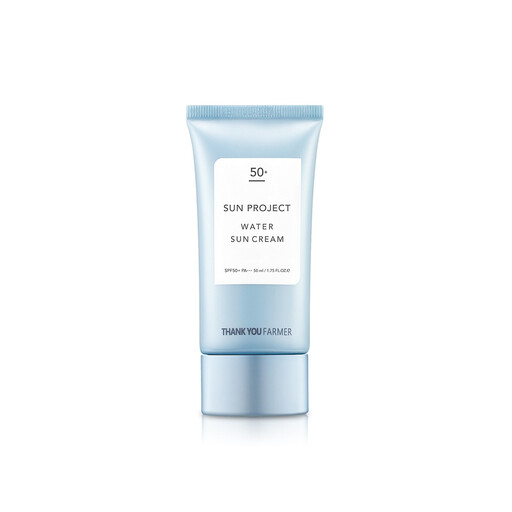
Why This Fits Their Persona: A water-gel facial formula for shoppers with dry or dehydrated skin who prefer a dewy finish beneath make-up.
Its listed PA+++ rating provides a UVA indicator alongside SPF50+, while the directions explain face-and-neck application.
SPF50+ PA+++, water-gel texture, plant oils and sodium hyaluronate listed in the ingredients.
We have compiled a complete, real-time list of products that fully satisfy these strict selection criteria and UK safety regulations.
SPF50+ offers a higher labelled level of UVB protection than SPF30 and may be suitable for strong sun, holidays, outdoor sport or skin that burns easily. Application quantity and reapplication remain important with either rating.
No. A gradual tan moisturiser adds colour but does not necessarily contain UV filters. Use a separate sunscreen with clear UVA and UVB protection whenever you are exposed to sunlight.
Check the open-jar symbol and packaging instructions. Many products advise use within a stated period after opening, but heat, direct sunlight and contamination can affect formula quality. Replace products when the recommended period has passed or when the texture, colour or smell changes.