Hosts serving drinkers and non-drinkers
Plan a clearly identified alcohol-free serve alongside any mixed drinks containing alcohol. That lets guests choose between two deliberate options rather than relying on a change to the tonic alone.


Choose the alcohol strategy before the mixer: for guests avoiding alcohol, make a separate serve and check every component’s label. For guests who want a lower-alcohol mixed drink, use a measured smaller pour or a lower-ABV alcoholic base, then add a mixer for the flavour and serving size you want. A slimline or low-calorie tonic does not reduce the alcohol contributed by the base.
A brunch table can include guests who want different things from a mixer, even when they like the same flavours.
Plan a clearly identified alcohol-free serve alongside any mixed drinks containing alcohol. That lets guests choose between two deliberate options rather than relying on a change to the tonic alone.
Choose the alcoholic ingredient and its pour size first. A mixer can make up more of the finished drink, but its sugar or calorie description tells you nothing about the alcohol in that ingredient.
Offer a serve whose components have been checked for alcohol, rather than suggesting a number of alcoholic drinks. GOV.UK says it is impossible to state exactly how many drinks correspond to the legal driving limit because alcohol affects people differently.
Decide whether the finished drink should contain alcohol, then compare mixers by flavour, nutrition information and serving format.
Choose it: For a guest avoiding alcohol or planning to drive, provided you have checked every drink component’s label.
Bear in mind: A drink described as low alcohol is not necessarily alcohol-free; check the stated ABV rather than relying on the drink style.
Choose it: For an adult who still wants an alcoholic serve but prefers less alcohol in that drink.
Bear in mind: Reducing alcohol means changing the alcoholic base or its measured volume; adding more mixer to an unchanged pour does not remove its alcohol units.
| Priority | What to check | Your needs |
|---|---|---|
| Alcohol per serve | Check the alcoholic base’s ABV and measure its volume. The NHS defines one alcohol unit as 10 ml of pure alcohol; units equal ABV (%) multiplied by volume (ml), divided by 1,000. | I want less alcohol in my finished drink, not just a larger drink made with the same alcoholic pour. |
| Alcohol-free serving | Read the exact labels of the mixer and anything added to it. The UK Department of Health and Social Care’s low-alcohol guidance covers drinks at 1.2% ABV or less; that descriptor alone does not establish that a drink is alcohol-free. | If I am avoiding alcohol or driving, I want a separate serve whose components have been checked. |
| Flavour | Consider soda for a less flavoured sparkling drink, tonic for bitterness, or ginger and other flavoured drinks when you want the mixer to be more noticeable. Check the individual product description rather than assuming every brand tastes alike. | For a drink without a spirit, I still want to choose its flavour deliberately. |
| Sugar and sweeteners | Compare nutrition on the same basis, such as per 100 ml or per serving, and read the ingredients if sweeteners matter to you. Nutrition figures do not indicate the finished drink’s alcohol content. | I may prefer a particular sweetness or ingredient list, separately from deciding how much alcohol to serve. |
| Serving format | Compare the stated can or bottle volume with the number of individual or shared drinks you plan to make. Check the pack for storage instructions after opening. | For a group, I want enough choice without confusing the alcoholic and alcohol-free serves. |
Those words may describe the mixer’s nutrition or formulation. The alcoholic ingredient still contributes alcohol to the finished drink.
Measure the alcoholic pour and check its ABV before choosing a mixer to lengthen it.
The UK Department of Health and Social Care’s low-alcohol guidance refers to drinks at 1.2% ABV or less. That does not, by itself, meet a guest’s need to avoid alcohol.
Check the stated ABV and description of each component, including any spirit alternative.
When both kinds of drink are being made, an unmarked glass or bottle can make it hard for guests to identify the serve they chose.
Prepare a separate mixer-based option and identify it clearly when serving.
GOV.UK says it is impossible to state exactly how many drinks equal the legal limit because the effect of alcohol differs between people.
If someone plans to drive, do not treat a calculated number of lower-alcohol drinks as permission to drive. Offer an option whose components have been checked for alcohol.
These brand examples illustrate different mixer styles; check the particular product label for its current ingredients, nutrition and ABV.
A reference point for tonic and other flavoured mixer styles.
Offers familiar soda-water and tonic formats for different mixed-drink styles.
A brand to examine if ginger or botanical flavours appeal more than plain soda.
A UK drinks brand whose range includes mixers and juices.
An own-label option for comparing tonic formats and nutrition labels.
An own-label option for shoppers considering a diet Indian tonic.
These tonic waters, ginger beer and elderflower drink offer different starting points for brunch serves. If avoiding alcohol matters, check each exact pack’s ABV before serving; for a lower-alcohol mixed drink, measure the alcoholic ingredient separately.
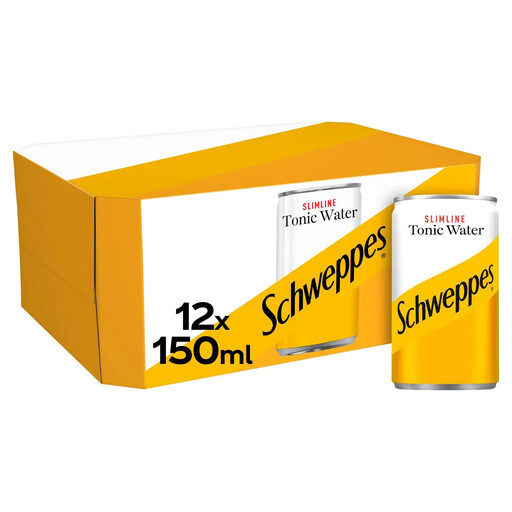 Image unavailable
The 150 ml cans provide individual tonic portions for mixed drinks. If you want less alcohol per serve, measure a smaller alcoholic pour; check the tonic’s label before offering it to someone avoiding alcohol.
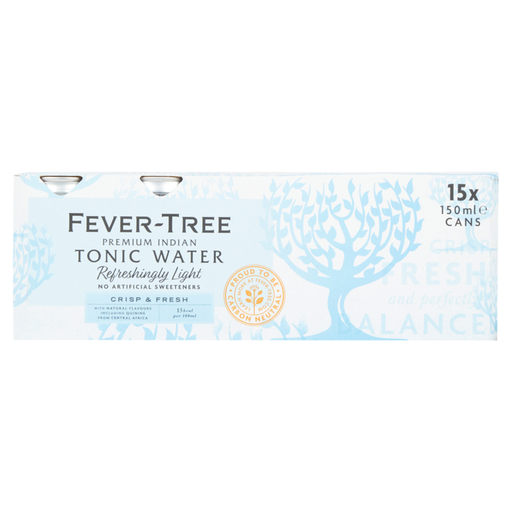 Image unavailable
This 15-can tonic pack offers individual 150 ml portions. “Refreshingly Light” does not tell you how much alcohol is in a mixed drink: check and measure its alcoholic base, and check the tonic’s label for an alcohol-avoidance serve.
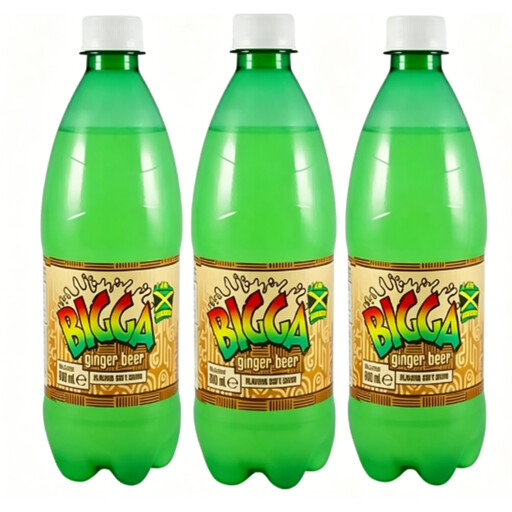 Image unavailable
Consider the three-bottle format when planning ginger-flavoured drinks for a group. Check the exact bottle’s ABV before using it for a guest who needs to avoid alcohol, and identify any serves containing an alcoholic addition.
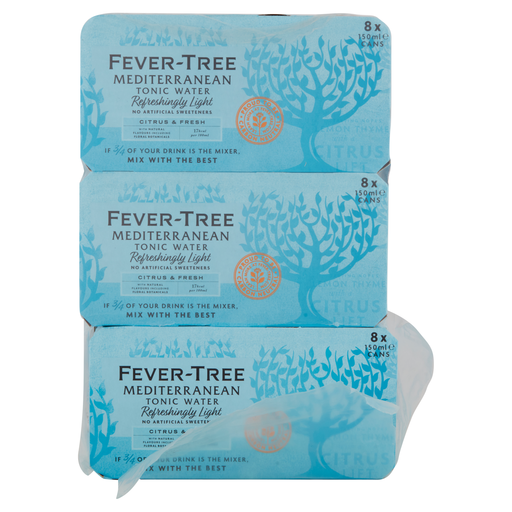 Image unavailable
The eight 150 ml cans offer another tonic option in individual portions. Select the alcoholic base and its volume separately for a lower-alcohol mixed drink; confirm the pack’s ABV before treating a tonic-only serve as alcohol-free.
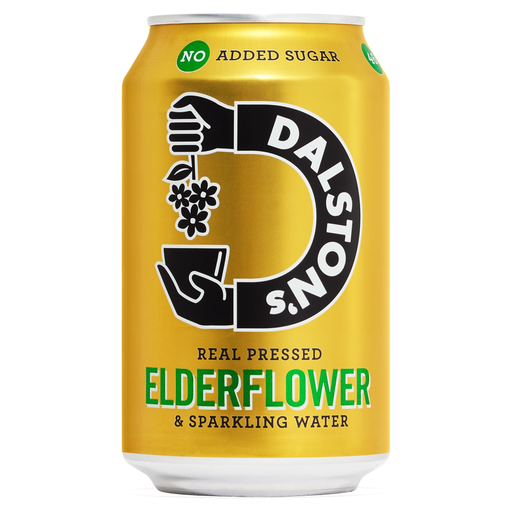 Image unavailable
This 330 ml elderflower drink is an alternative flavour to tonic or ginger beer. Check its label before choosing it for someone avoiding alcohol, and keep any version with an alcoholic addition clearly identified.
No. A mixer’s calorie description does not change the alcohol supplied by an unchanged pour of spirit, wine or another alcoholic base. To put less alcohol in the finished serve, reduce or replace that ingredient and check its ABV.
Multiply each alcoholic ingredient’s ABV (%) by its volume (ml), then divide by 1,000; add the results if the drink contains more than one alcoholic ingredient. The NHS defines one unit as 10 ml of pure alcohol, which is the basis of that calculation. Check the label before assuming another component contains no alcohol.
No. The UK Department of Health and Social Care’s guidance describes low-alcohol drinks as those at 1.2% ABV or less. Check the exact ABV of a product before choosing it for someone who needs to avoid alcohol.
No fixed drink count establishes that someone can drive. GOV.UK says it is impossible to state exactly how many drinks equal the legal limit because alcohol affects people differently. If a guest plans to drive, offer a separate serve whose components have been checked for alcohol rather than relying on a drink count.